The Most Expensive Front Row Seat in Brooklyn
Let's be completely honest for a second. We have all looked at our bank accounts after a major wrestling weekend and felt a fleeting moment of regret. You buy the pay-per-view, you grab a t-shirt, maybe you splurge on decent seats when Monday Night Raw rolls through your city. It adds up quickly. But there is a massive, canyon-sized gap between buying an extra CM Punk hoodie and funding a luxury lifestyle through grand larceny.
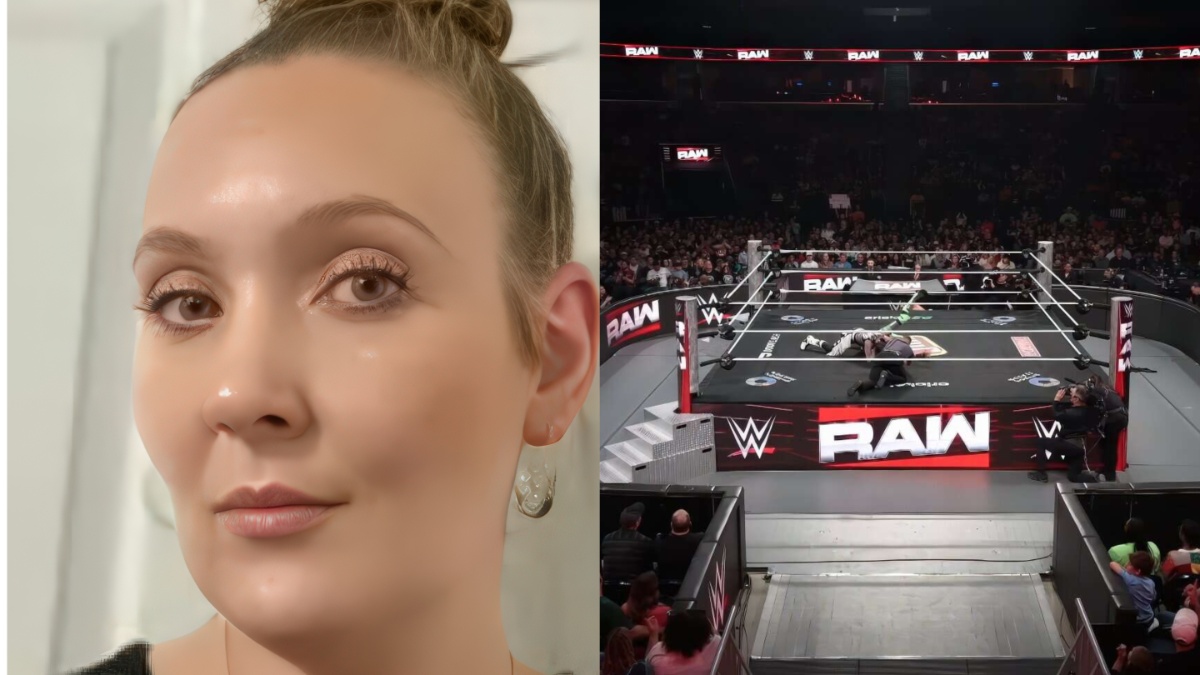
According to a bizarre report from Ringside News, a Brooklyn preschool director has been accused of orchestrating a massive embezzlement scheme. The total amount missing? A staggering $2.75 million. That number alone is enough to warrant federal attention and a lengthy prison sentence. But it is the line item on the expense report that has the wrestling world talking.
This individual allegedly spent $350,000 of that stolen money exclusively on WWE events.
Read that number again. Three hundred and fifty thousand dollars.
The Logistics of a Six-Figure Fandom
When you first hear that figure, your immediate reaction is probably confusion. How exactly do you spend that much money on professional wrestling? It takes a dedicated, almost pathological level of financial mismanagement to funnel a third of a million dollars into sports entertainment.
If you go to a standard television taping, a great seat might run you five hundred bucks. Even if you attended every single Raw and SmackDown for a year, paying premium prices, you would struggle to crack fifty grand. You have to actively try to spend that much cash.
This points directly to the modern WWE business model. Under the TKO banner, the company has ruthlessly optimized its revenue extraction from hardcore fans. The VIP packages have turned premium live events into luxury vacations for the wealthy. If you want to sit in the first three rows, keep the commemorative folding chair, and get a rushed photo op with a mid-card champion, you are easily dropping five to ten thousand dollars per weekend.
It is a deeply flawed, exclusionary pricing structure that prices out generational fans. But for a preschool director playing with house money, it was apparently an all-you-can-eat buffet.
The WrestleMania 41 Factor
Look at the calendar. Today is March 25, 2026. We are exactly 25 days away from WrestleMania 41 in Las Vegas. Allegiant Stadium is going to host what is arguably the most anticipated card of the decade. John Cena is wrestling his farewell match. CM Punk is in a massive featured bout. Cody Rhodes is defending the WWE Championship against the Bloodline.
Las Vegas is already an aggressively expensive city. When you add the WrestleMania tax, the numbers get comical. Luxury suites at Allegiant Stadium for the two-night event are commanding astronomical fees. High-end travel packages, which include hotel stays on the strip and premium access, run deep into the five figures per person.
It is highly likely that a significant chunk of this embezzled preschool tuition was earmarked for a legendary weekend in Nevada. The timeline lines up perfectly. You do not spend hundreds of thousands on house shows in Poughkeepsie. You spend it on fifty-yard-line floor seats at the biggest show of the year.
A Bizarre Lack of Oversight
While we can joke about the absurdity of funding a wrestling obsession with stolen money, the reality of the situation is incredibly grim. This was a preschool. This is money that parents paid, likely struggling with the insane cost of childcare in Brooklyn, expecting it to go toward early childhood education.
They thought they were paying for finger paints, playground equipment, and qualified teachers. Instead, their tuition was allegedly converted into pyro, entrance music, and front-row seats to watch Roman Reigns.
The lack of financial oversight required to let millions vanish is staggering. It is a massive institutional failure. You have to wonder what the accounting department was looking at. How do you hide a massive paper trail leading directly to Ticketmaster and WWE corporate? Did nobody notice the director taking consecutive weekends off to fly to premium live events in Saudi Arabia, London, or Los Angeles?
Comparing the Market
Consider the broader sports world right now. We are a few weeks away from the UCL Quarter-Finals. The demand for tickets to see Real Madrid or Manchester City is massive. Even the upcoming FIFA World Cup this summer in the United States will command ridiculous prices for secondary market access.
But even in those premium markets, dropping that kind of money as an individual fan requires a concentrated effort. You would have to buy out entire rows or secure premium hospitality suites for multiple knockout stage games. In the WWE environment, the path to spending that kind of cash is aggressively streamlined.
The company has built a system specifically designed to catch these massive financial whales. They don't just sell you a seat; they sell you access, exclusivity, and the illusion of importance. For a white-collar criminal with millions in stolen funds, it was the perfect vanity project.
The Sickness of the Superfan
There is a dark underbelly to modern fandom that we rarely discuss. The compulsion to be seen at the biggest events, to have the best seats, to document the luxury experience for social media clout. It is a sickness.
Professional wrestling, at its core, is a carny business. It is designed to separate you from your money by manipulating your emotions. It works on children buying action figures, and clearly, it works on adults with access to millions of dollars in unsupervised funds. The accused didn't just want to watch the product. They needed to be part of the spectacle, regardless of the cost or the legality.
They risked federal prison for the privilege of sitting behind the announcers' desk. That is a level of addiction that goes far beyond simply enjoying a television show.
The Final Bell
The legal system will eventually sort this out. The Brooklyn preschool director is facing severe charges, and the evidence seems overwhelming. You cannot quietly expense hundreds of thousands of dollars in live event tickets. The digital footprint is permanent.
This story will inevitably fade into the weird, obscure trivia of wrestling history. It will be referenced on podcasts and message boards alongside other bizarre fan incidents. But it serves as a glaring, deeply cynical reminder of two things.
First, the cost of being a hardcore wrestling fan has reached grotesque, unsustainable levels. The fact that the company even offers avenues to spend this kind of money in a single year is a glaring example of corporate greed. Second, and perhaps more importantly, people will throw away their entire lives, their careers, and their freedom, just to get a little closer to the ring.
The ticket to WrestleMania might have been secured, but the final destination is almost certainly a federal penitentiary. That is one hell of a swerve.
Read Next
- Oba Femi’s MSG booking signals a massive post-WrestleMania debut
- Oba Femi’s main roster jump is the biggest open secret of WrestleMania week
- Hikuleo's WWE debut is the worst-kept secret in the Bloodline Civil War
- Tama Tonga just reminded WWE exactly who they hired
- 🏆 WrestleMania 41 — Full Coverage Hub