The metrics behind the AEW confidence gap
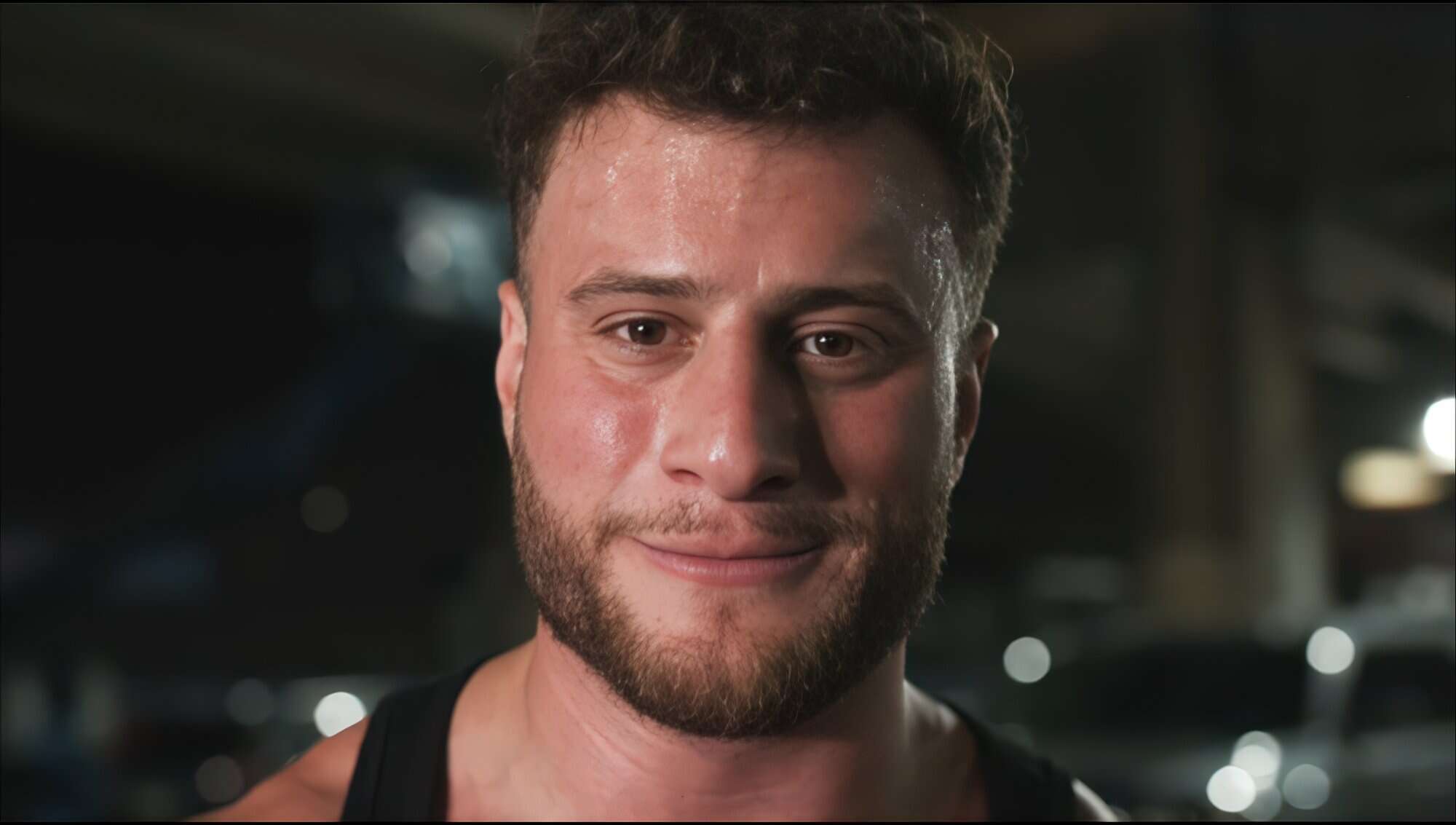
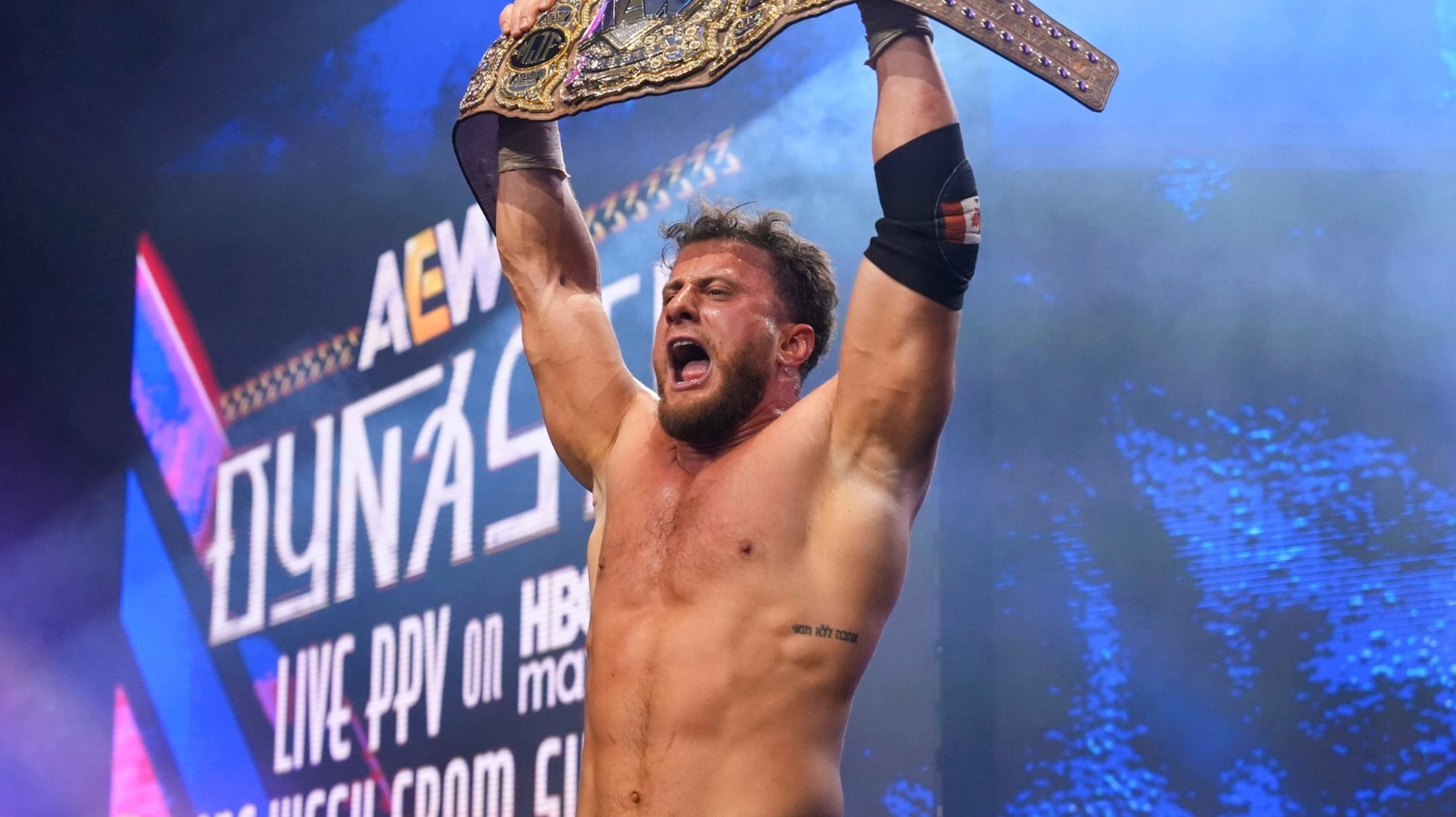
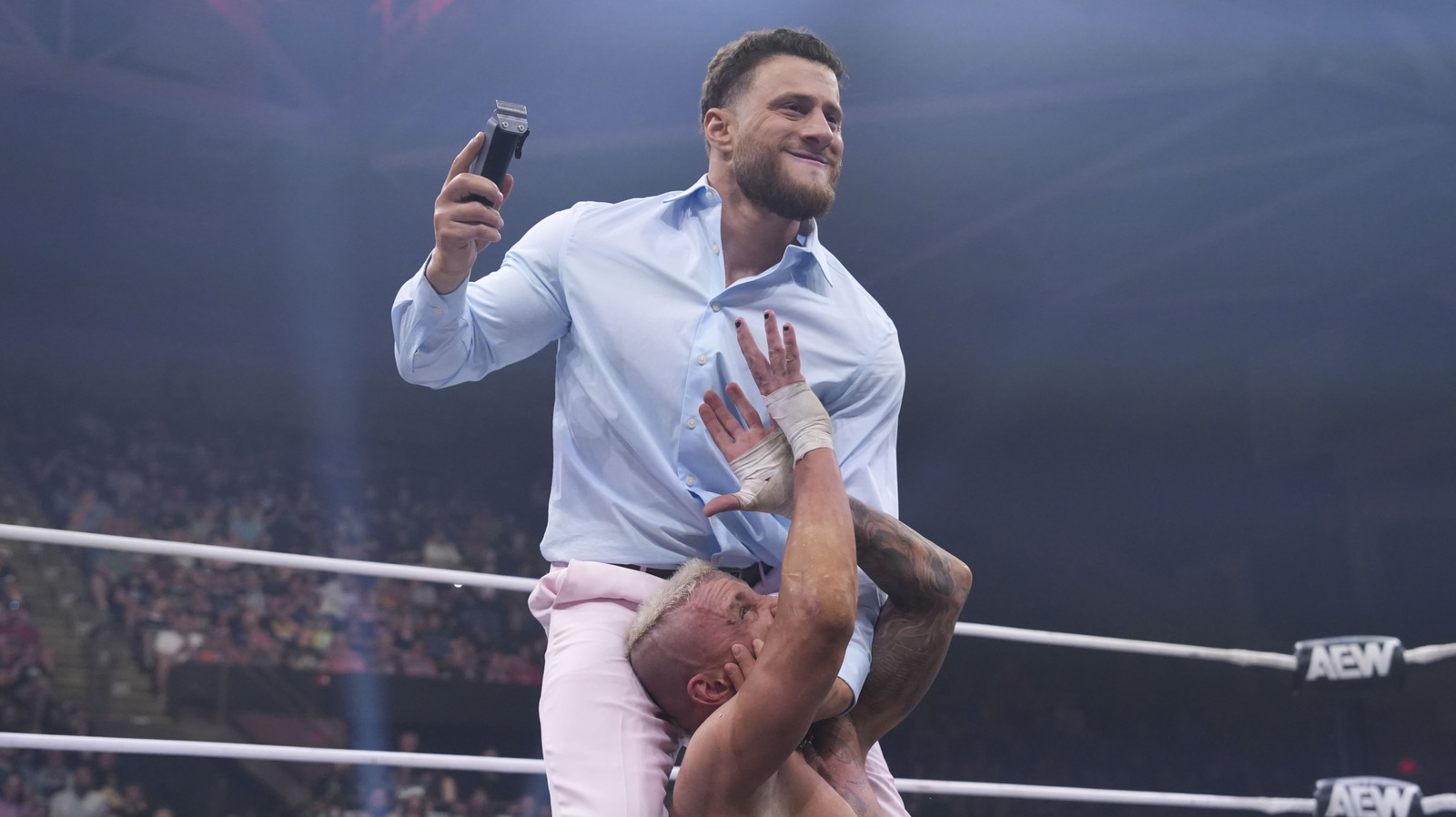
Maxwell Jacob Friedman has transitioned from a localized heel into the undisputed spokesperson for AEW's long-term viability. When he claims that the company operates as the most effective alternative to WWE in the history of sports, he is ignoring the traditional territorial economics of the 1980s. Instead, he views the current roster sentiment through the lens of recent internal cohesion.
According to recent reports from backstage, locker room morale has hit an all-time high over the past 12 months. This shift in sentiment functions as a stabilizer for a promotion that previously suffered from high-profile departures. By prioritizing retention over churn, AEW is attempting to normalize the internal belief that its talent does not require a secondary path to reach global relevance.
The stepping stone narrative
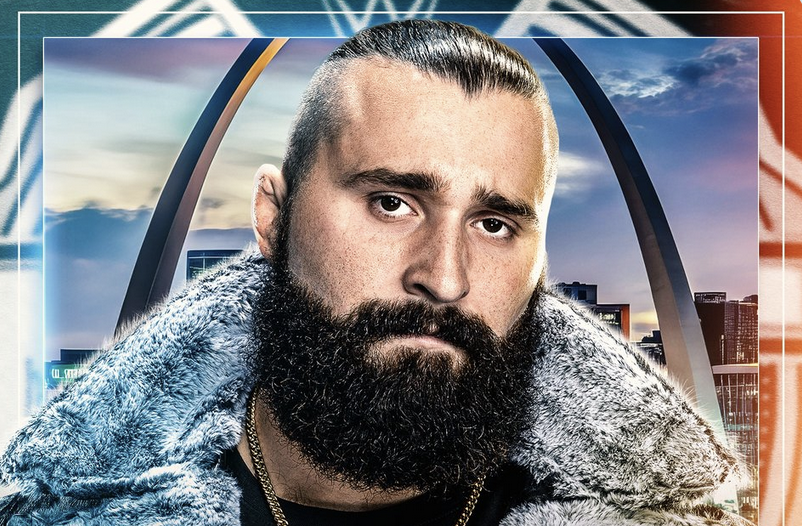
The core tension in this argument is the historical perception of AEW performers using the promotion as a leverage point. MJF specifically singled out Malakai Black, framing his tenure as a stepping stone to return to his previous employer. This indicates a sharp divide between talent committed to the brand and those viewing the contract through a short-term mercenary lens.
Defining the junior heavyweight standard
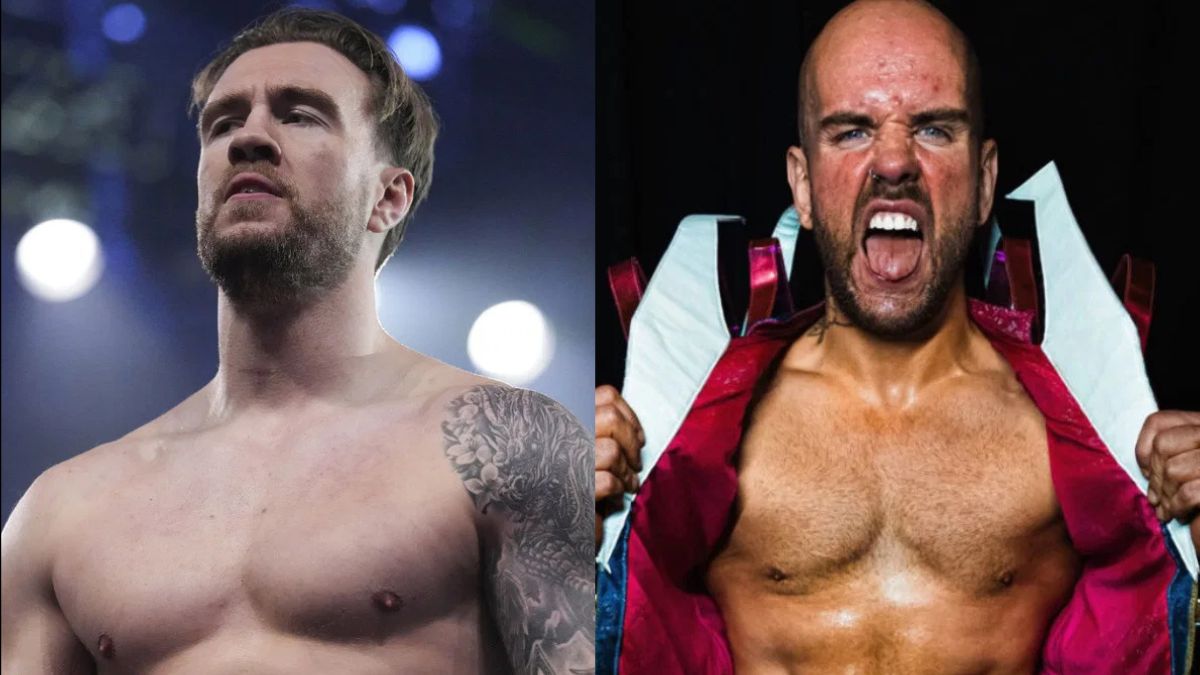
While industry titans argue over market positioning, the technical output continues to scale under the radar. Will Ospreay recently identified NJPW regular Robbie X as the premier performer in his weight class, citing a 4-year run of consistency. This serves as a vital counterpoint to the idea that star power is tied strictly to arena capacity or television rights.
The Madison Square Garden litmus test
MJF’s recent claim that AEW could sell out Madison Square Garden with ease is a bold bet on brand equity. If we look at the venue's capacity, which sits at roughly 20,000 for wrestling events, the booking pressure falls entirely on ticket velocity. AEW has yet to test this specific arena in a primary capacity, making it a distinct strategic goal rather than a statistical reality.
MJF believes AEW is the ‘better alternative’ to WWE.
The critique here lies in the lack of empirical evidence to support the Garden claim. A $6 billion industry valuation for other interface-based AI projects, as reported recently, highlights how quickly markets can move when the promise of a future return becomes intoxicating. Wrestling fans are just as susceptible to the hype cycle as tech investors, provided the actual performance matches the marketing.
Ultimately, the promotion stands at a crossroads. Keeping morale high while proving that the product can match the 1980s peak of wrestling alternatives requires more than rhetoric. It requires consistent execution before the June 11 kickoff of the World Cup draws eyeballs away from niche sports toward global spectacles.
Read Next
- MJF is right about the hair match but the WWE shots are getting old
- MJF fires back on TV rumors as DoN hype hits fever pitch
- Is Seth Rollins about to do the unthinkable and jump to AEW?
- Darby Allin is bringing a dangerous mindset to Double or Nothing
- ⚡ AEW Dynasty 2026 — Full Coverage Hub
- 🎲 AEW Double or Nothing 2026 — Full Coverage Hub