The blurring lines of the industry
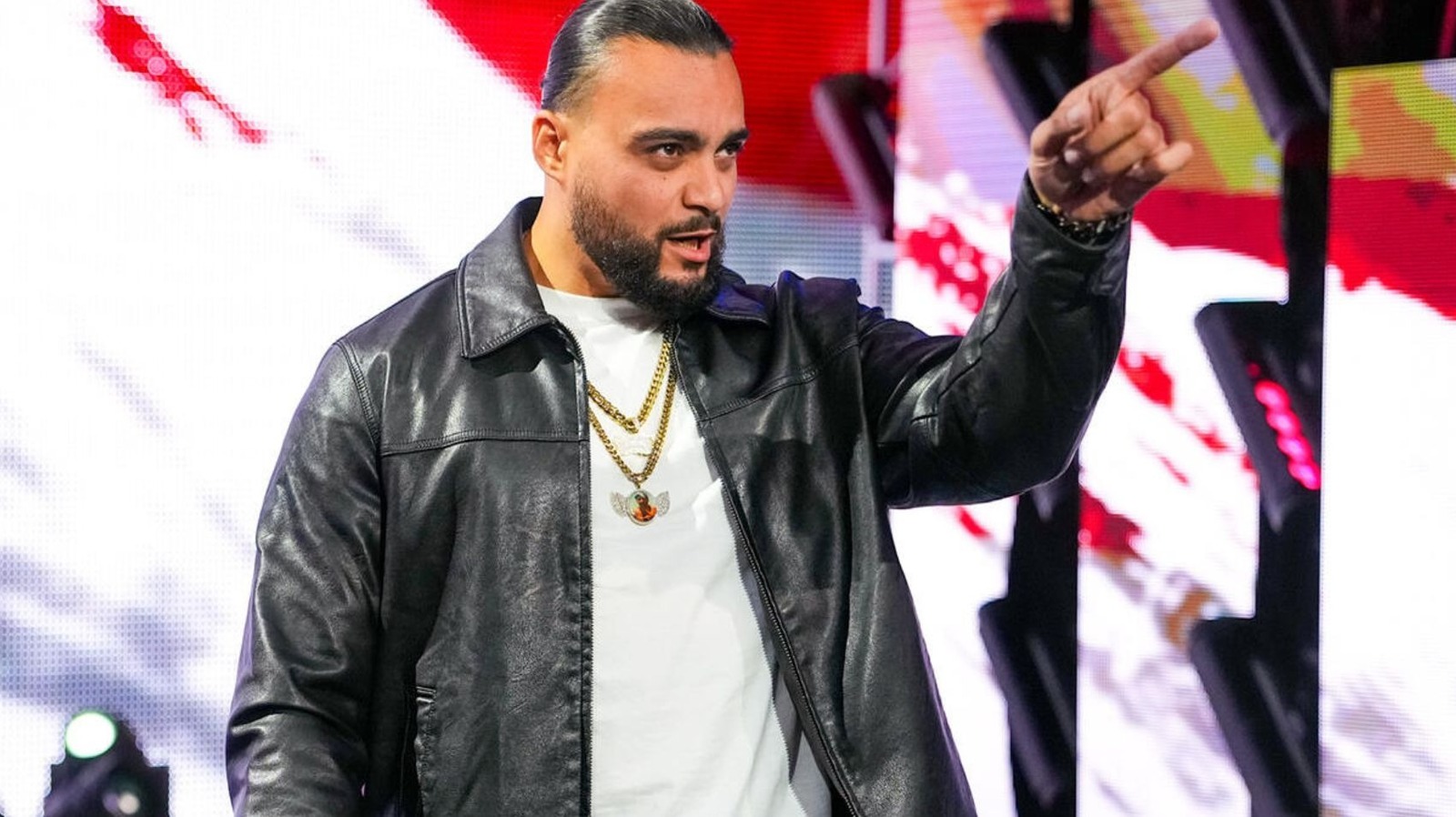
The recent appearance of Mike Santana on WWE NXT has sent a ripple through the industry, forcing a re-evaluation of how talent circulates between brands. Santana, a fixture of the TNA landscape, showed up on the NXT broadcast to address the current roster, turning his back on his previous tenure at Impact Wrestling. This is not just a standard guest spot; it signals a broader shift in how promotions treat their professional permeability.
Nic Nemeth, the current TNA World Champion, was quick to address the development on Busted Open Radio. His reaction was measured, focused on the professional growth of a former rival rather than the territorial ego often displayed by champions. Nemeth acknowledged Santana's credentials, framing the move as an attempt to find a platform better suited to his current professional goals. As Wrestling Inc reported, the endorsement from a peer like Nemeth suggests that the move is viewed within the locker room as a calculated career progression.
Tactical implications for the NXT mid-card
Santana brings a specific brand of aggression that fits the current NXT aesthetic. We are talking about a worker who thrives in the scramble, utilizing a stiff striking game punctuated by sharp, high-impact suplexes. If you look at his recent history, his efficiency in building intensity during mid-match transitions is high, but his weakness remains prolonged selling sequences during long-form main events.
His debut segment left several tactical questions unanswered. How does he slot into the current hierarchy without disrupting the momentum of homegrown talent? The NXT roster has been leaning heavily into technical wrestling, and Santana’s street-brawler style creates a necessary contrast. I expect to see him test the technical bounds of opponents like Tony D'Angelo or Ethan Page, whose own styles demand a high level of physical counter-wrestling.
The hidden risk of personnel turnover
Let’s be honest about the mechanics here. While the splash of a new arrival creates immediate buzz, it creates a recurring problem for promoters: the dilution of established narratives. When an established name like Santana jumps in, the creative team often pushes aside existing storylines to accommodate the new acquisition. We have seen this repeatedly over the past three years, resulting in half-finished feuds and momentum-stalling character resets for younger prospects.
Santana needs to prove that his presence isn't merely an optics play for a Tuesday night rating spike. If the booking relies solely on the shock of his logo flip, the audience will grow impatient by the second quarter. He needs a high-stakes, 15-minute showcase match within the next three weeks to justify the reallocation of airtime.
The prediction for the next cycle
I anticipate WWE will position Santana as a gatekeeper for the NXT Championship picture. By the first week of August, he will likely be involved in a high-profile tag or multi-man match to hide any potential chemistry gaps with the roster. He will lean on his veteran polish to guide younger opponents through the later stages of a match, specifically targeting the 12-minute mark to trigger his finishing sequence.
My prediction is that Santana avoids a title run through the fall, instead focusing on a series of hard-hitting televised matches designed to elevate the status of the NXT secondary belts. If he can maintain the intensity he showed during his TNA peak, he will succeed. If he tries to adapt too far to the house style, his appeal will strip away. I expect a strong, if predictable, start to his tenure.