The scheduling clash signals a new aggression in promotion wars
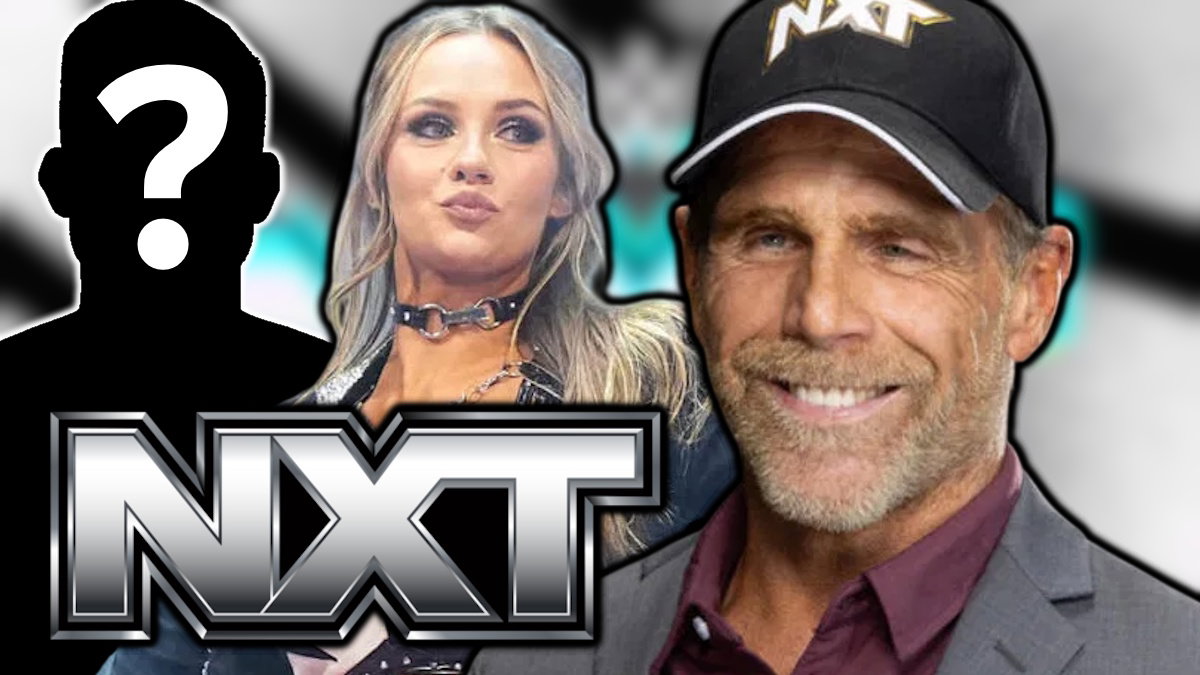
Shawn Michaels has officially set the board for late June. By confirming the NXT Great American Bash for the same date as the Forbidden Door crossover between AEW and NJPW, the WWE developmental brand is moving beyond mere broadcast competition. This scheduling maneuver, officially announced by Michaels last week, pits the industry leader directly against the established dual-promotion venture and TNA’s Slammiversary.
The move ripples through the industry because it suggests that NXT is no longer an isolated incubator. It is now a blunt instrument used to suffocate the visibility of rival premium events. For independent talent weighing their next career step, the timing of this summer calendar glut creates a massive divergence in potential visibility. A WWE signee walking through the Performance Center gates in July is entering a machine designed to monopolize the weekend airwaves.
The contract status of high-level indie free agents
Rumors are swirling regarding several top-tier veterans currently working the NJPW and TNA circuits. Sources familiar with the internal discussions suggest that WWE has contacted at least three high-profile performers whose agreements are approaching a mid-summer expiration. The objective is clear: strip the Forbidden Door card of its most anticipated surprises by securing exclusivity agreements before the June 28, 2026 bell time.
Industry trackers note that past talent switches often correlate with these massive inter-promotional events. When promotions collide, the vulnerability of under-utilized roster members increases. Wrestlers who feel stalled in their current creative tracks watch these massive cards and realize they are not a featured part of the industry's biggest night. That frustration is the primary driver for contract renegotiations.
Creative direction and the developmental pipeline
For an incoming talent, the appeal of this current iteration of NXT is the direct line to the main roster. Triple H’s vision for the brand has shifted the focus toward high-intensity character work over the technical-heavy approach that defined the brand’s previous era. Younger talent like Oba Femi and Kelani Jordan serve as benchmarks for this movement. Entering this environment provides an immediate platform for television exposure that few independent promotions can match.
However, the transition comes with a significant caution. WWE’s internal creative bottleneck is real. A performer might spend months dominating the NXT developmental scene, such as landing a high-impact finish like the 20th-minute jumping knee-strike sequence that defines their signature, only to realize their main roster trajectory is capped by established veterans like Cody Rhodes. As Wrestling Inc recently reported, the crowded calendar is creating a chaotic environment for producers and talent alike.
The risk of being lost in a cluttered midcard
Critics also point to the high attrition rate of NXT graduates who struggle to find character consistency upon jumping to the main roster. The transition from a structured, protected developmental show to the high-stakes, erratic nature of weekly live production often strips away the traits that made the performer valuable in the first place. Signing with WWE is a leap of faith that the company's scouting team sees a path for growth that isn't currently evident.
Furthermore, the competition for screen time between the NXT roster and the talent depth of the main roster creates a 45-hour weekly grind for those attempting to break into the top tier. For every breakout star, there are two others currently buried in the midcard with no clear creative direction for the next fiscal year. Prospective signees must navigate a system that prizes television readiness over long-term character development.
Probability assessment and expectations
The probability of at least one major talent jumping ship immediately following the current run of summer events is assessed at a high level. While direct poaching remains rare, the cycle of contract expirations aligning with these major events almost guarantees a shift in the corporate hierarchies. Expect a flurry of announcements in the 48 hours following the conclusion of the Great American Bash.
If a top-tier independent star signs with WWE as a result of these scheduling clashes, the impact will be felt immediately in the NXT title picture. By preemptively blocking the momentum that competitors derive from major events, WWE effectively forces the narrative toward their own brand. The talent sees this, the bookers see this, and the audience clearly sees this in the changing nature of the Saturday night landscape.