Broadcasting expansion signals a shift in indie market
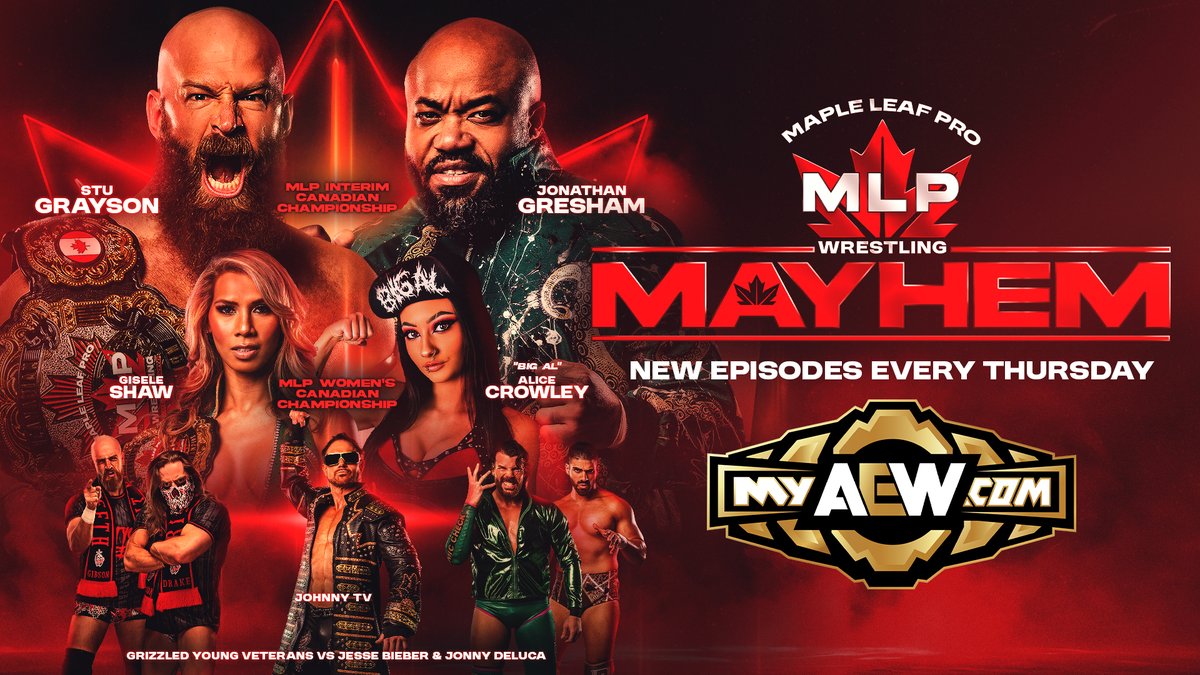
Maple Leaf Pro Wrestling is making aggressive moves to solidify its footprint in the North American scene. Reports confirmed by PWInsider indicate that the promotion has secured significant new broadcast clearance. This push comes as they align closer with external partnerships, most notably their recent integration with MyAEW.
The promotion is attempting to fill a vacuum in the Canadian independent circuit. By locking down wider television coverage, they are signaling a departure from the regional "fly-by-night" model that has plagued similar projects. The strategy is clear: high-production aesthetics mixed with a consistent delivery schedule.
The creative bottleneck
Every expansion has its risks. Critics point to the current saturation of the wrestling market, noting that Maple Leaf Pro Wrestling will need more than just a distribution deal to keep viewers engaged. The competition for tier-one talent is higher than ever, especially as WWE deepens its own developmental pipeline, as seen in the recent WWE ID Showcase announcement.
If the creative direction relies too heavily on legacy stars rather than building a homegrown roster, the broadcast expansion will struggle to justify its costs. They must navigate the balance between nostalgic appeal and necessary evolution to maintain a sustainable trajectory.
Talent acquisition and developmental pressure
The success of this growth phase depends entirely on the locker room. The transition for athletes from other disciplines is rarely as seamless as Tiffany Stratton's path to WWE. Maple Leaf Pro will need to prove they can nurture younger talent without rushing them into high-stakes programs that they aren't prepared for.
We have seen other promotions fail by attempting to scale their production before their core in-ring product had established a distinct identity. The recent results from international circuits, like the Pro Wrestling NOAH Lethal Odyssey Tour, highlight the technical standard that modern fans now expect weekly. If Maple Leaf cannot meet that bar, the extra broadcast hours will become an empty asset.
Probability and Impact Assessment
The likelihood of this venture gaining a stable secondary foothold in the market is high, provided their management remains disciplined. They are not challenging the industry giants, but they are positioning themselves to be the clear runner-up in their specific regional theater.
- Probability: High for domestic audience growth; medium for sustained national relevance.
- Expected Impact: Likely to force regional competitors to upgrade their own digital footprints or risk falling into permanent obscurity.
- Critical Caveat: The primary failure point is likely to be over-reliance on older talent rosters that cannot sustain top-tier work rates for a 52-week broadcast cycle.
Ultimately, the move is a defensive play against the consolidation of independent wrestling assets. By moving into new territories now, they avoid being squeezed out when the larger televised majors eventually pivot their expansion strategies. They have 12 months to prove that this broadcast deal was a calculated investment rather than a reach far exceeding their current grasp.
The fans will soon decide if the product on the screen justifies the push. If the booking remains stagnant, the extra reach will only highlight the flaws of the operation to a larger audience. We will be watching the viewer retention numbers carefully once the new programming cycle hits its peak.
Market analysts note that the 2026 calendar is already crowded with G1 Climax events and massive WWE-backed showcases. Finding a unique voice in this crowded space is the only way to avoid the fate of promotions that collapsed under the weight of their own ambition. The clock is officially ticking on whether this expansion pays dividends or just adds to the noise.