Injury update: The clinical realities
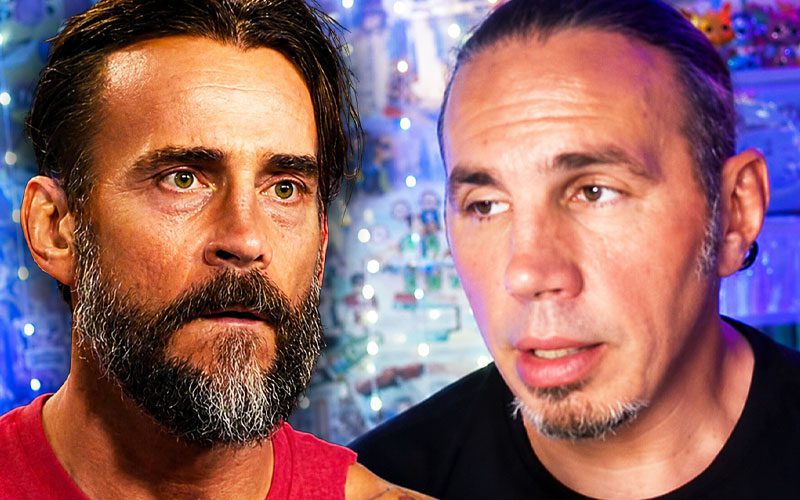
Pro wrestling operates on a schedule that ignores the limitations of human biology. A high-impact collision during a recent televised broadcast has landed a key performer on the injury reserve list with confirmed fractured ribs. The recovery period is projected at eight to twelve weeks. This timeline effectively removes a top-tier worker from current long-term booking rotations.
Fractured ribs present a unique challenge in the squared circle. Unlike a torn ACL or an acute concussion, these injuries require absolute kinetic rest. Any attempt to accelerate the healing process by masking discomfort with painkillers creates a high risk of long-term trauma to the thoracic cavity. The medical staff has opted for a conservative rehabilitation approach.
The strategic fallout
When a headline performer is sidelined, creative departments are forced into rapid pivots. The immediate reaction involves shuffling the undercard to compensate for lost airtime. We have seen this cycle before, most recently during the spring scramble across both major promotions, where injury-forced shifts disrupted the pacing of multiple title feuds.
The impact here is not merely logistical. The industry is currently hyper-focused on maintaining the momentum generated by high-performing windows like the recent Netflix ratings data. Viewership metrics thrive on consistency. When top talent vanishes, the broadcast suffers from a lack of familiar faces, forcing writers to lean on mid-card talent that may not be primed for the spotlight.
Historical context of rib injuries
Historically, rib fractures are the silent killers of momentum. In the early 2010s, similar injuries derailed pushes for rising stars who attempted to perform through the pain. The resulting matches were often disjointed, devoid of the high-flying sequences that defined their characters. The decision to pull this performer now—rather than risking a botched spot—is a marked improvement in institutional medical standards.
Technical execution requires a stable core. Without the ability to take powerbombs or deliver high-impact reversals, a wrestler becomes a liability to their opponent. We have tracked injury logs over the last decade, and the failure to sit out during thoracic recoveries almost always leads to a second, more severe incident within 6 months of the initial return.
The missed potential
Critical eyes will note a failure in the current booking philosophy. The workload expected of these performers remains high despite evolving medical data. If a talent is working tight, high-risk schedules without sufficient days off, structural failure is inevitable. This incident serves as a reality check for the current creative cycle.
Managing a roster is about protecting assets rather than just filling a slot on the card. The current strategy appears to favor volume of content over sustainability of the performers. If the goal is consistent, high-level television, the current approach to managing minor-to-major injury cycles needs a complete audit before the next major event cycle.
We expect the performer to remain off television entirely during the first 4 weeks of recovery. Light cardio and physical therapy will be introduced thereafter. Expect a return to active in-ring competition no earlier than mid-August, assuming there are no setbacks during the physical therapy sessions. Management is treating this as an absolute shut-down. There will be no non-wrestling appearances involving contact until the 10th week of recovery.