The YouTube star hits a reality check
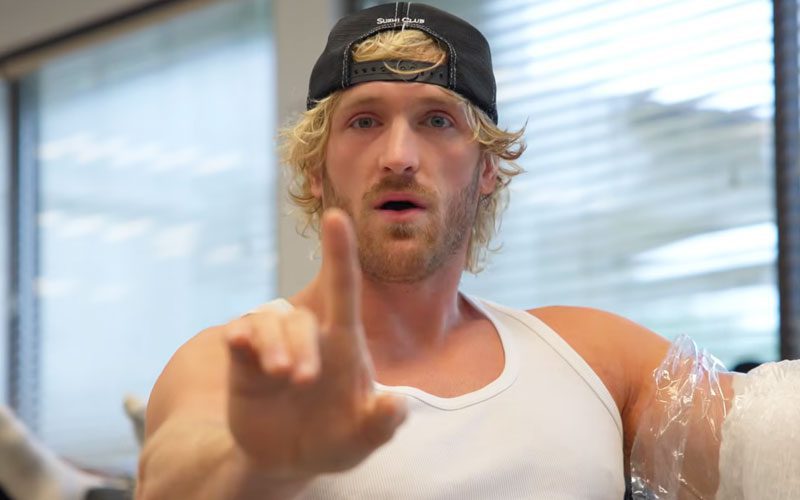
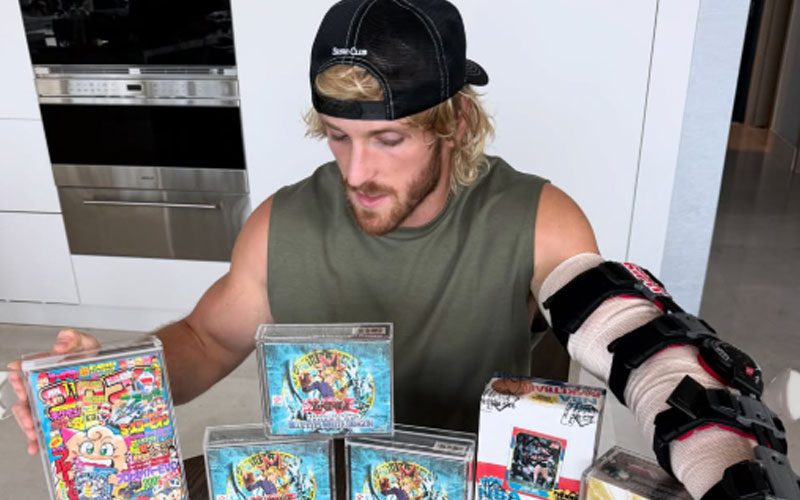
Let's be clear: we have all seen some questionable characters pass through the professional wrestling world. From the days of celebrities hopping the rail to take a bump for a cheap pop, to the current era where social media influencers find themselves holding secondary titles as if they represent the company's future. Yet, watching Logan Paul walk into a federal court hearing regarding a defamation lawsuit over his CryptoZoo project feels like watching a wrestler try to cut a promo on a judge who doesn't care about their subscriber count.
This is not a vignette where the bad guy gets to retreat behind a backstage curtain after taking a clothesline. This isn't a pre-taped segment where the editing team can mask a botched spot or make someone look like a credible champion through clever camera cuts. This is the legal system, and unfortunately for the guy who thinks he is the greatest athlete to ever step into a squared circle, reality does not have a scriptwriter to save him when the heat gets turned up.
The difference between a heel gimmick and legal liability
Wrestling fans have dealt with plenty of villains over the years. We have seen guys treat crowds with absolute disdain, cheat to keep their gold, and talk down to the fan base for legitimate heat. I get that part of the game. I love a good heel who makes me want to scream at my television screen. But there is a massive line between playing a villain on a Friday night broadcast and facing accusations of mishandling hundreds of thousands of dollars from people who bought into a digital product.
The current situation centers on the fallout of the CryptoZoo venture, which essentially left a ton of people holding empty hands. When you are in the ring, your reputation is built on your ability to tell a physical story and sell a specific narrative. Outside the ring, if you are being accused of defamation for how you handled a business collapse, you cannot simply perform an over-the-top tope suicida to distract the jury from the mounting evidence. The legal system doesn't care if you have a 50 inch vertical leap or if you can catch a stunner better than The Rock.
When the crowd turns on you for good
We are currently five days away from the start of the 2026 FIFA World Cup, and I bet sports fans everywhere are ready to ignore the nonsense surrounding professional athletes and celebrities for a month. But Logan Paul's situation keeps clawing its way into the conversation. It is a genuine distraction that makes his persona in the ring feel thinner than a paper-thin blade job in a basement promotion. If you represent a company, there has to be some kind of standard for how you handle your personal brand.
You can argue that wrestling is built on smoke and mirrors, but there is a baseline of trust between the performer and the fan. When that trust shifts into a courtroom, the game changes entirely. The industry has seen ratings fluctuations remind us that fan interest is never a guaranteed commodity. Fans might forgive a botched finish or a weak storyline, but they do not take kindly to being treated like marks in a real-world investment scheme. This isn't just about a bad storyline; this is about legacy and character.
The clock is ticking on the influencer era
I have spent years watching guys like Kurt Angle prove they were legitimate tough guys, and I have respect for the work ethic it takes to survive in this industry. Logan Paul has undoubtedly shown he can move in the ring. He took that 35 minute war at a major premium live event and turned it into something watchable. But that technical skill does not absolve anyone from the consequences of their outside business failures. Being a good worker in the ring is a separate matter from having integrity in your professional conduct.
If the federal court finds that he was negligent or defamatory, he is going to find that the boos he gets in the arena reach a totally different frequency. There is no recovery from being the guy who got a federal judge to rule against him in a clear-cut case of financial mismanagement. We have seen SmackDown ratings slide because booking patterns don't connect with the base, and this specific legal headache is a similar kind of structural rot. You cannot build a brand on top of a foundation of litigation and angry investors.
Whether he wins or loses, the damage to how he is perceived by the core wrestling audience might be irreparable. Most of us just want to see a clean finish, hear a good promo, and watch a compelling match. We don't want to follow the legal dockets of the people holding the belts. At some point, the management has to realize that the heat they are getting from the legal system is not the kind of heat that sells tickets; it is the kind that ruins your reputation before you even walk through the curtain.