The dangerous reality behind the developmental curtain
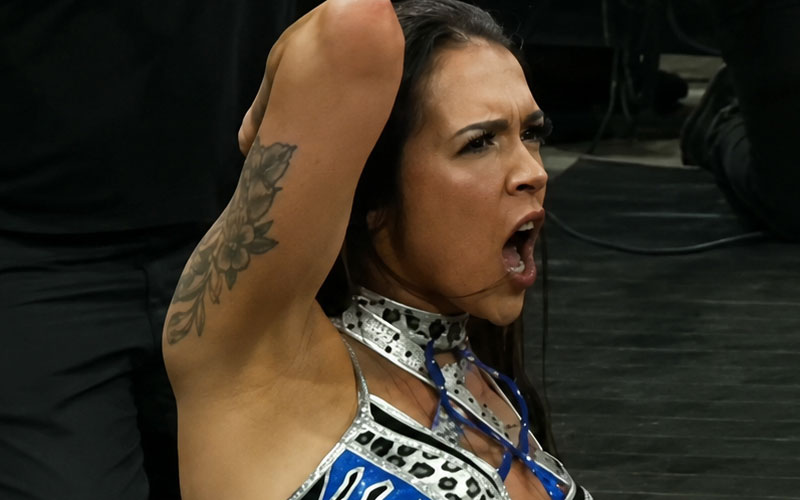
Layla El’s recent comments to Chris Van Vliet reveal the precarious nature of the WWE developmental system during her tenure. Her admission that a trainer targeted her—viewing the roster talent as potential victims rather than professional athletes under instruction—is a indictment of the internal culture. It surfaces uncomfortable memories of how these facilities functioned before more modern HR oversight.
We have seen these power dynamics play out in various promotions for decades. When a trainer holds absolute sway over a wrestler’s televised future, the professional barrier often erodes. Layla describes a dynamic where the power was leveraged not for skill acquisition, but for personal gain. It turns the ring into a testing ground for ego rather than technical growth.
The evolution of wrestler safety
Much has changed since the era Layla details. Modern WWE developmental, now centered heavily around the Performance Center in Orlando, theoretically functions with tighter protocols. Yet, the history of wrestling is littered with stories of staff members who abused their authority. When you look at the raw statistics of call-up success, it is clear that technical training was often secondary to political maneuvering.
The current climate demands that we look at these disclosures with a critical eye. If the leadership in developmental turns a blind eye to predatory behavior, the product suffers. We have seen this manifest in poor ring psychology and half-executed maneuvers from prospects who weren't given the tools they needed. If a trainer is worried about their own power, they are not worried about the 30-minute iron man match pacing of their students.
Reframing the talent path
Layla survived, thrived, and eventually won multiple championships, but her experience casts a long shadow over the industry. Talent development, as seen in newer ventures like Xcite Wrestling’s move to Roku, relies on a pipeline of trust. If a promoter or trainer cannot provide a safe workspace, they fail the audience by extension.
Technical flaws in the current product are often blamed on green talent, but we have to track the source. Who taught them that arm drag? Who approved that high-risk sequence in the 5th minute? The accountability stops at the coaching staff. If the coaching staff is compromised, the technical decline is inevitable.
My prediction? We are going to hear more of these stories as wrestlers from the mid-2000s era continue to speak out. The industry cannot claim to be progressive while ignoring these ghosts. It is a necessary friction. Without this transparency, the next generation will be doomed to repeat the same exploitative history of their predecessors.