Tactical adjustments for the Lucha Libre AAA card
The upcoming Lucha Libre AAA event scheduled for June 20, 2026, presents an intriguing study in high-velocity pacing. Analysts tracking recent output from this promotion note a distinct increase in the frequency of aerial sequences occurring in the opening ten minutes of matches. This trend forces opponents to rely heavily on ring positioning rather than standard striking exchanges. Expect the technical execution to shift toward defensive spacing as performers look to neutralize vertical threats early.
The current state of the card requires a keen eye on the transition mechanics between grappling holds and elevated maneuvers. Recent data suggests that workers who spend more than 60 percent of their time grounded are finding it increasingly difficult to regain momentum once a high-flyer initiates a rotation. I will be watching the mid-card talent to see if they deviate from this established efficiency gap.
The strategic burden of the mid-card
Much like the Lucha Libre AAA preview suggests, performers are feeling the squeeze of a condensed schedule. The reliance on repetitive high-impact spots is becoming a liability for aging veterans who aren't adjusting their game plans. A common error observed in the last three weeks involves wrestlers exiting the ring during recovery phases without securing a tactical advantage or creating distance.
This lack of spatial discipline creates predictable openings for technicians who prefer mat-based control. If an athlete fails to control the center of the ring, they effectively concede the ability to dictate the pace of the match. One specific concern for this Friday is the recovery time between major signature hits; if the average reset interval remains above eighteen seconds, the audience will likely notice a significant dip in broadcast energy.
A defensive reality check
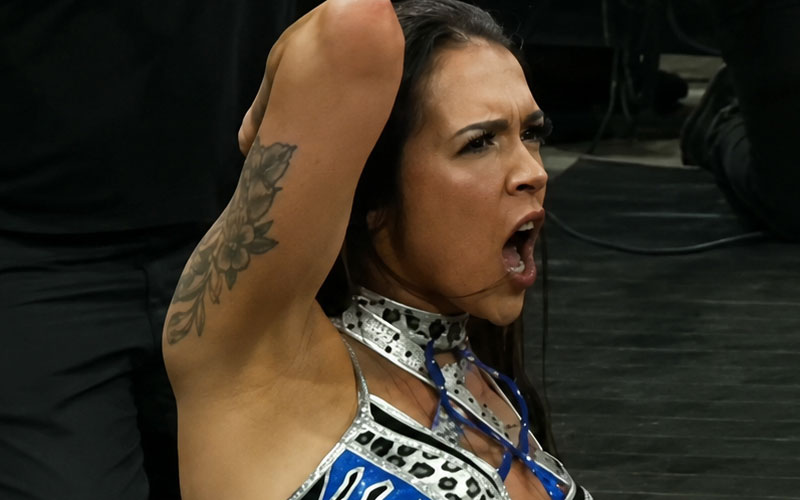
While the focus is often on the highlight reel, the most compelling matches of the season have been defined by defensive resets. Whether it is Elayna Black navigating the political chaos in TNA as documented in recent coverage of her rise, or established stars fighting in the UK, the logic remains the same. Control the space, and you control the narrative.
My critique of the current booking direction remains centered on the overkill of interference spots. When finish sequences rely on outside distraction more than 40 percent of the time, the credibility of the primary aggressor suffers. We want to see genuine parity, not manufactured parity built through run-ins that serve only to delay the inevitable.
Final assessment and prediction
The June 20 card features several pairings that operate on conflicting timing loops. The veteran technicians have an opportunity to exploit the exhaustion of the younger, faster-paced rosters if they can force the action into the corners. If they play their game, they can force the pace below the necessary threshold for a highlight-heavy display.
I expect the main event to conclude within the 22-minute mark. Any longer, and the physiological toll of the earlier bouts will leave the crowd flat. I am betting on a cleaner finish than we saw during the recent turmoil on Raw, where the arithmetic suggested better preparation for Lyra Valkyria and Bayley but yielded far less favorable results. Expect a technical victory; precision beats athleticism nine times out of ten.