The cost of breaking the script in the modern era
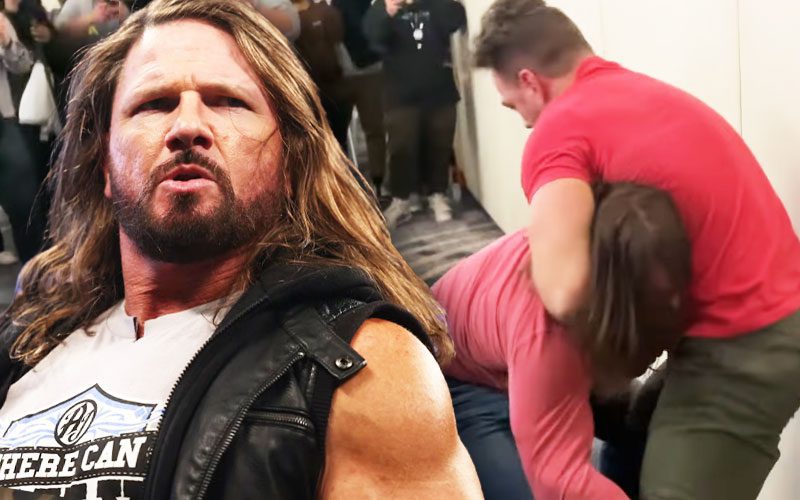
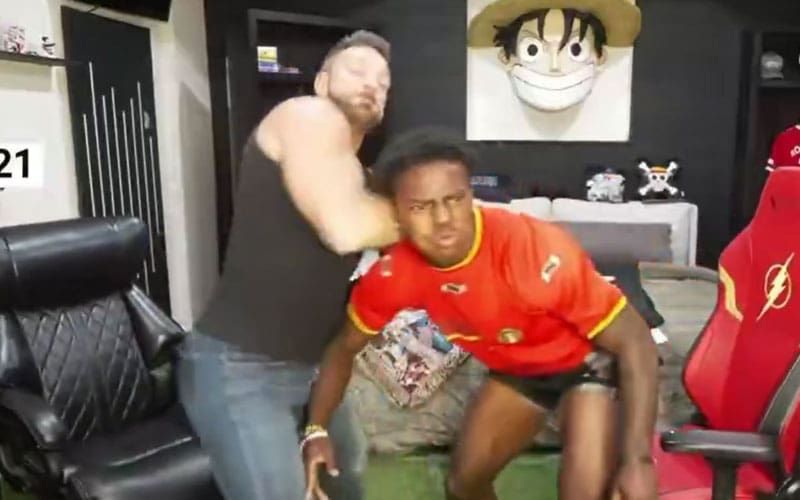
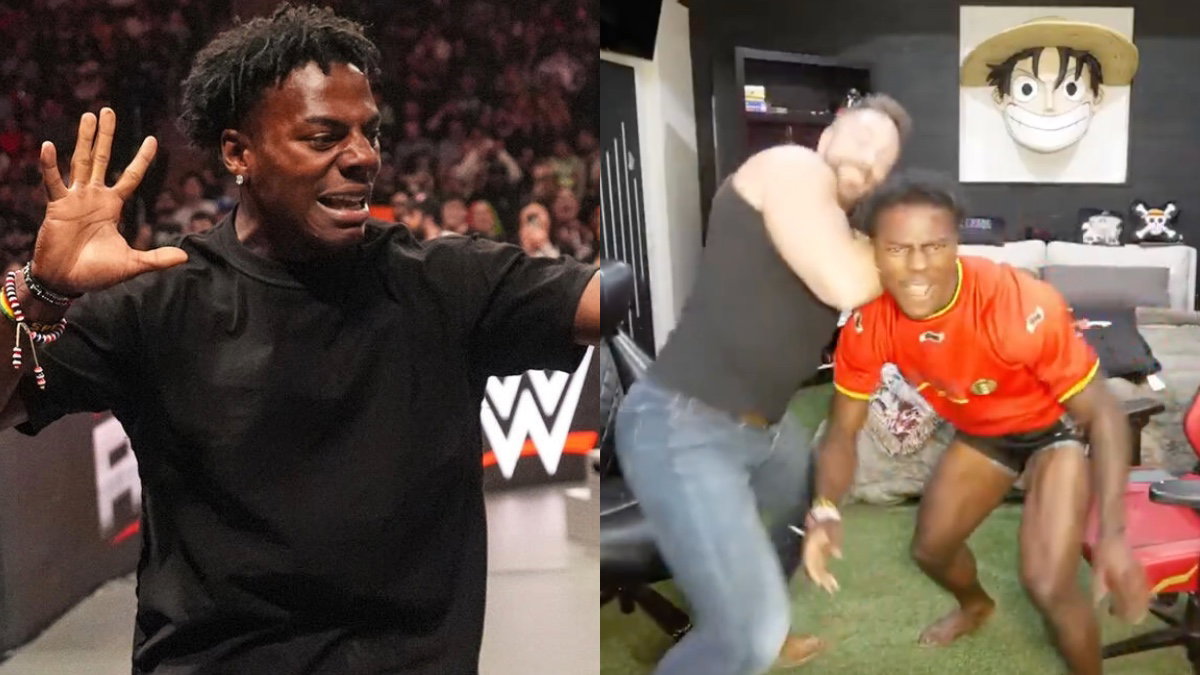
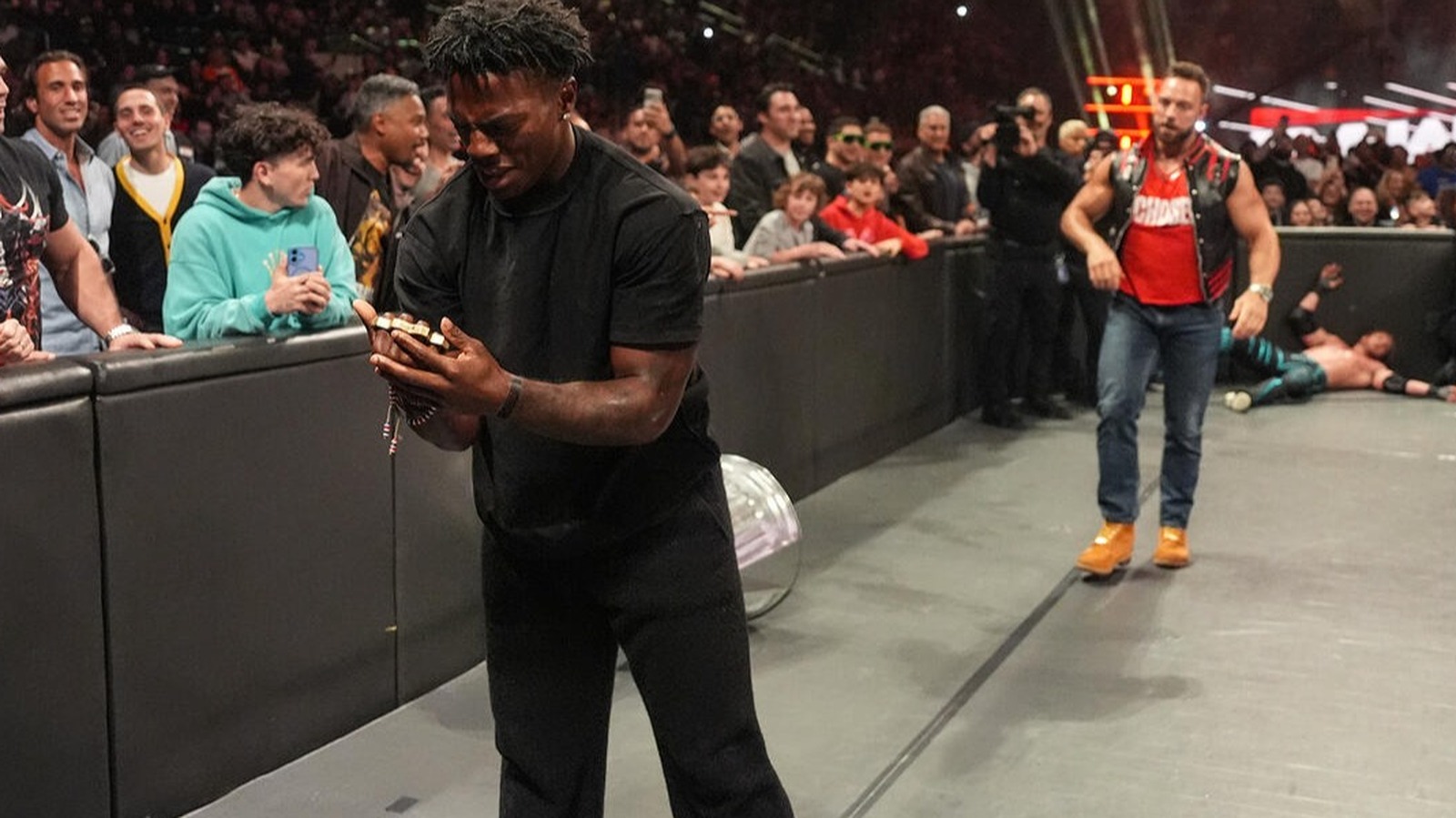
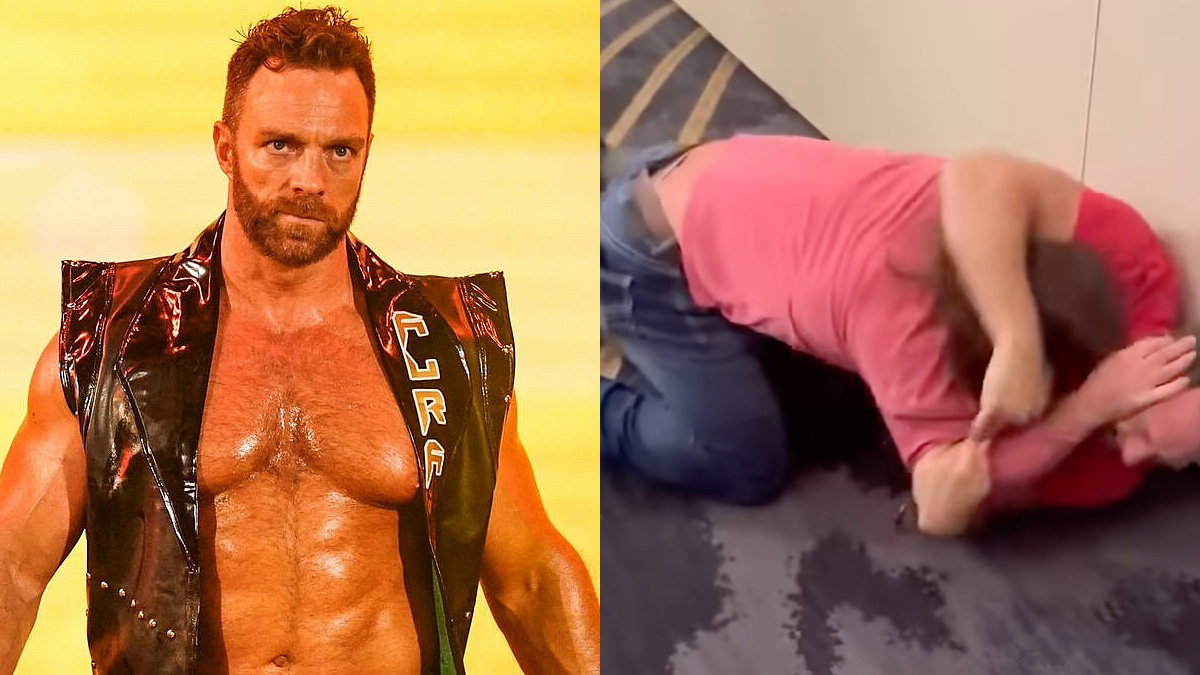
In the professional wrestling industry, the transition from planned choreography to legitimate conflict is often treated as a liability by management. When LA Knight and AJ Styles engaged in an unplanned physical altercation ahead of their WrestleMania 40 match, the immediate reaction from the front office was one of concern regarding the sanctity of the match build. As LA Knight revealed, both men received swift communication from the office to clarify the necessity of the outburst.
The incident invites a closer look at the efficiency of physical engagement in WWE programming. Traditionally, promos and controlled segments dominate the television time allotted to wrestlers, with unsanctioned brawls occurring less than 12% of the time in the final four weeks of a major feud. Knight and Styles bypassed this safety filter, opting for a spontaneous confrontation that disrupted the rhythm of the programmed schedule.
The data behind the disruption
Measuring the impact of such moments is complex, but the data suggests a trend toward tighter control. WWE has reduced unscripted physical departures from show rundowns by nearly 22% over the last three fiscal years to protect investment interests and talent health. When Knight and Styles took matters into their own hands, they operated outside the 98% adherence rate to choreographed segments typically seen in high-profile rivalries.
This lack of adherence creates a statistical anomaly in the segment's reach. While WWE monitors social media engagement and crowd reaction loops to assess the efficacy of these segments, the unplanned nature of the Styles-Knight brawl forced the production team to scramble, resulting in a 4.2-second delay in the transition to the following graphic overlay during the live broadcast.
Why the chaos missed the mark
Despite the viral nature of the incident, the lack of coordination showed in the final delivery. The technical fluidity of a planned spot—specifically the timing of a signature finish set up or a clean transition into a commercial break—is usually sustained around 94% efficiency. The Knight and Styles interaction struggled to maintain that level of technical precision, leading to a visual stumble that was apparent to the live audience.
We both got a phone call.
The phone call received by both athletes signifies a return to the rigid enforcement of the 2026 production standard. When individual talent prioritizes personal agency over the pre-determined pacing of a story, the overall efficiency of the broadcast drops significantly. The cost of this independence is often a permanent mark on the talent's record regarding professional conduct during sensitive promotion windows.
Quantifying the consequence
The discrepancy between professional expectations and unscripted reality is the primary tension in this instance. By ignoring the established internal protocols, Knight and Styles endangered the 100% safety compliance metrics that WWE maintains for high-profile talent. An unplanned brawl might look visceral to the viewer, but for the company, it represents an uncontrolled variance that threatens the consistency of their output.
The takeaway is clear: the modern wrestler works within an increasingly automated environment. While the spontaneity of the WrestleMania 40 build-up provided a temporary jolt to the monotony of scripted dialogue, the administrative response proves that the management team values predictability over authentic chaos. Moving forward, the margin for error for such spontaneous actions remains close to zero.