The Pat McAfee Effect: When Kayfabe Crashes the Couch
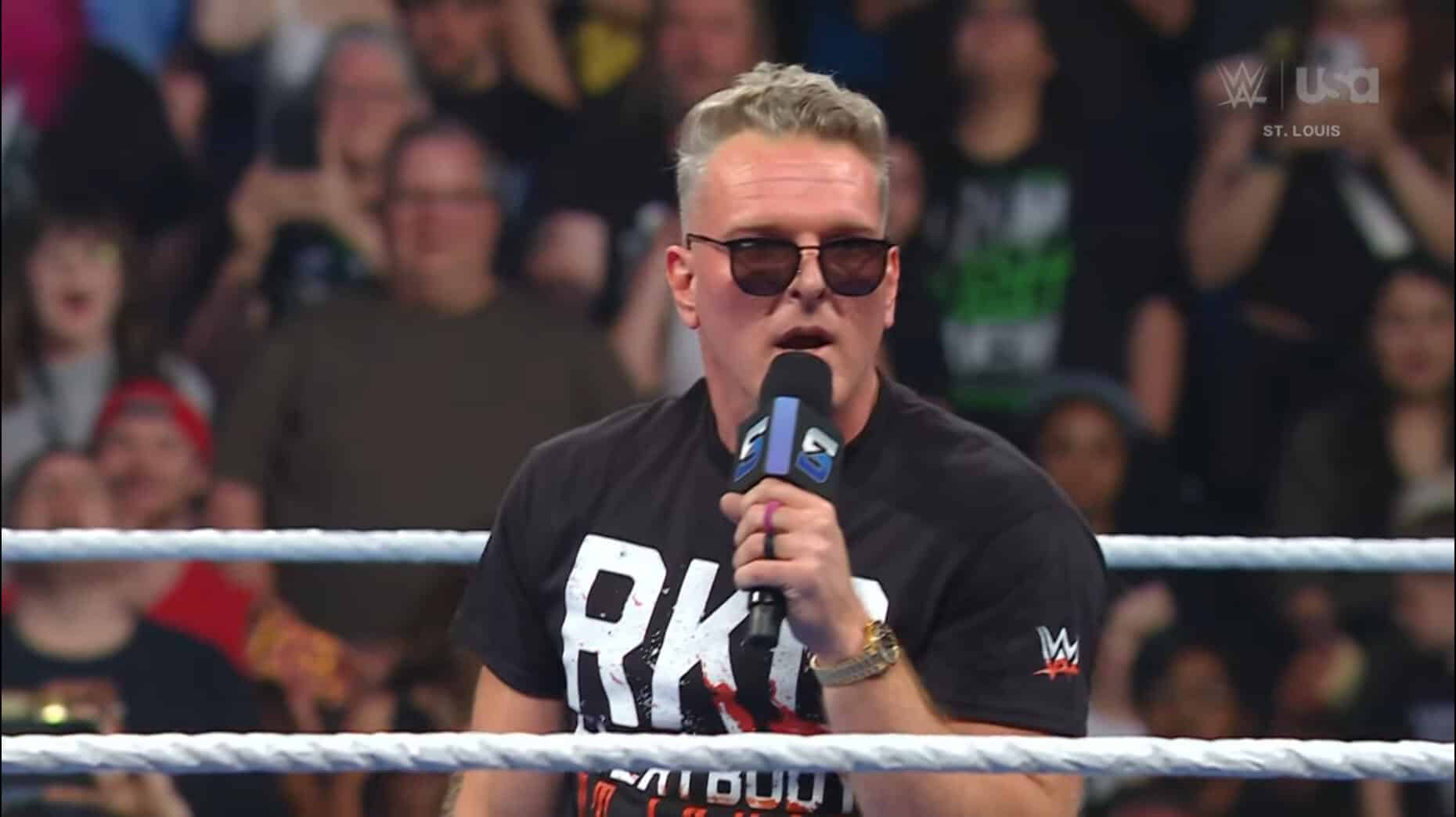
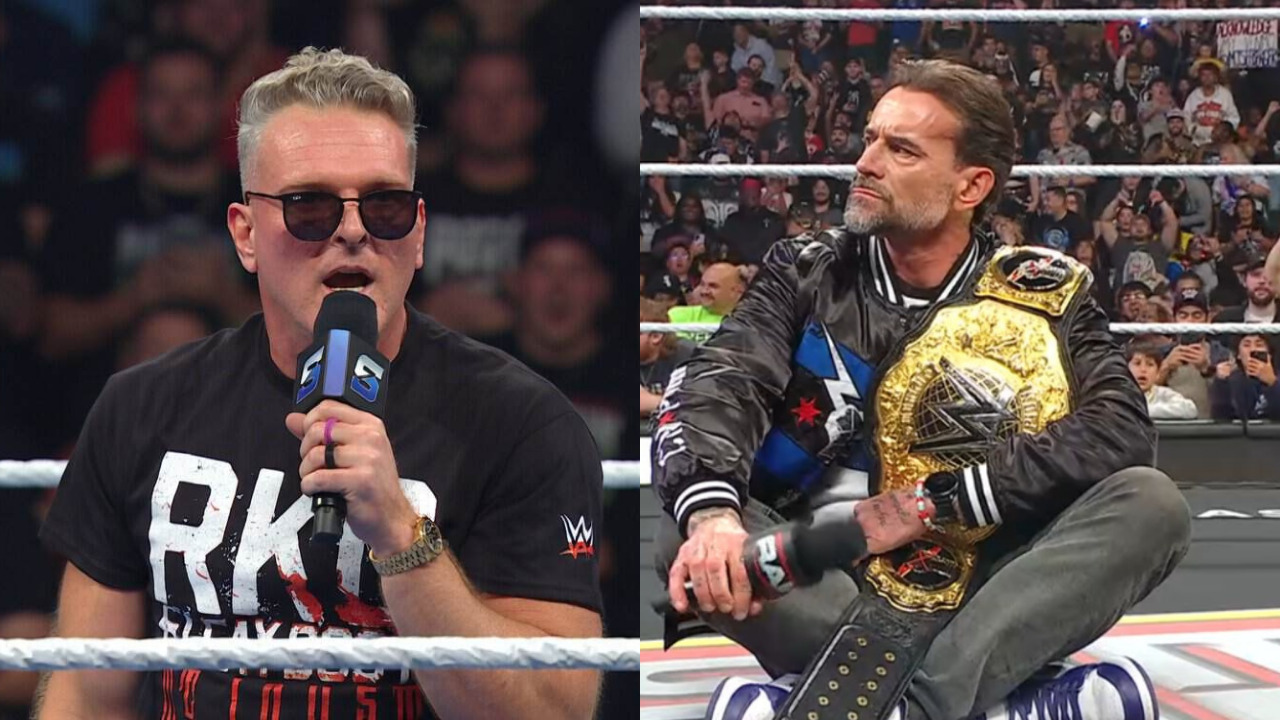
So, WWE decided to pull an honest-to-god wrestling angle on The Pat McAfee Show. Let that sink in for a second. It wasn't a pre-taped interview, not a standard cross-promotion, but a bona fide storyline development unfolding live on a platform that, while friendly to WWE, isn't *technically* WWE programming. This isn't just about getting eyes on a segment; it's a deliberate, calculated maneuver in the ongoing war to blur the lines between sports entertainment and… well, actual sports media.
For years, the internet wrestling community has debated the delicate dance of kayfabe in the modern era. Does it still exist? Should it? WWE's move this week on McAfee's syndicated gabfest isn't just an answer to that question; it's a loud, emphatic stomp through the last remaining vestiges of the fourth wall. It’s a shot across the bow for anyone still clinging to the idea of neatly separated universes.
The Long Con of Mainstream Exposure
Pat McAfee isn't some casual bystander; he's been a critical piece of the WWE puzzle for a while now. From his NXT days to his memorable WrestleMania appearances, the man knows how to work a crowd and, more importantly, how to work a wrestling narrative. His transition from NFL punter to media mogul to surprisingly effective WWE commentator and occasional in-ring competitor has been nothing short of a masterclass in cross-platform synergy.
This isn't the first time WWE has dipped its toes into the mainstream media waters for storyline purposes, but it feels different this time. Instead of a celebrity just showing up at a RAW, this was a planned, narrative-advancing moment occurring outside WWE's direct broadcast control. It grants an almost unscripted, raw feel to the proceedings, even if every second was meticulously planned down to the commercial break.
Think about the reach. McAfee’s show pulls in millions, many of whom might only casually follow professional wrestling, if at all. By injecting a live-action storyline beat into that ecosystem, WWE isn't just preaching to the choir; they're attempting to convert the masses. They’re saying, “Hey, this drama is so real, it can’t even be contained within our own shows anymore.”
WrestleMania 41: The Ultimate Destination
The timing, of course, is everything. We are just days away from WrestleMania 41, the biggest event of WWE’s year, kicking off on April 19th and 20th in Las Vegas. Every single segment, every promo, every tweet right now is designed to funnel attention towards Allegiant Stadium. To drop a significant angle on McAfee’s show right now screams desperation and genius in equal measure.
Is it a stroke of booking brilliance, creating genuine buzz in unexpected places? Or is it a sign that WWE’s traditional programming isn't quite cutting through the noise like it used to? The answer, as always, is probably somewhere in the middle. The spectacle of WrestleMania demands unprecedented build-up, and WWE is clearly willing to shatter its own conventions to get there.
Consider the potential ripple effects. If this angle sparks a new feud or intensifies an existing one, it adds a layer of authenticity. The 'insider' feel of seeing a storyline develop on a non-WWE platform instantly legitimizes it for a certain segment of the audience. It’s like getting a glimpse behind the curtain, even if that glimpse is just another meticulously crafted part of the show.
The biggest challenge for wrestling today is making the 'story' feel unmissable when every moment is available on demand. By taking the show off-site, WWE aims to recapture that live, anything-can-happen magic.
The Downside of Deconstruction: Is Anything Sacred Anymore?
However, this strategy isn’t without its critics, and rightfully so. The purists among us will inevitably ask: what about the sanctity of WWE programming itself? If the most compelling, or at least the most surprising, storyline developments are happening on external platforms, does it devalue RAW, SmackDown, or even NXT?
One could argue that it dilutes the product. Why tune into three hours of RAW if a pivotal moment might just drop unannounced on YouTube or a podcast? It creates a scavenger hunt for content that some fans might find exhilarating, but others might just find exhausting. This isn't a minor complaint; it speaks to the core value proposition of WWE's own broadcast partners.
Furthermore, while Pat McAfee is a trusted ally, the more WWE relies on external media for its core storytelling, the less control it ultimately has. What happens if a segment goes off script in a truly unforeseen way? The tight ship WWE usually runs thrives on control, and outsourcing key narrative beats, even to a friend, is a gamble. It's a calculated risk, no doubt, but a risk nonetheless, especially when so much is riding on the WrestleMania weekend.
The Future of Storytelling: A Multi-Platform Melee
This isn't an isolated incident; it's part of a larger trend. WWE, like all major media companies, is desperately trying to adapt to fragmented viewership. The audience isn't just sitting down for three hours on Monday nights anymore. They're on social media, they're on podcasts, they're catching clips, and they're often doing all of it simultaneously.
The move to execute an angle on McAfee’s show is a tacit acknowledgment of this reality. It's an attempt to meet the audience where they are, rather than expecting them to come to WWE exclusively. It's innovative, yes, but also a stark reminder of how challenging it is to maintain narrative coherence across so many disparate platforms.
As WrestleMania 41 draws closer, all eyes will be on how this angle plays out. Will it be a flash in the pan, a one-off stunt? Or will it be remembered as the moment WWE fully embraced a multi-platform, reality-bending approach to its storytelling? Either way, it’s clear the traditional boundaries of sports entertainment are getting fuzzier by the minute, and Pat McAfee's couch just became a new battleground in the never-ending war for attention.