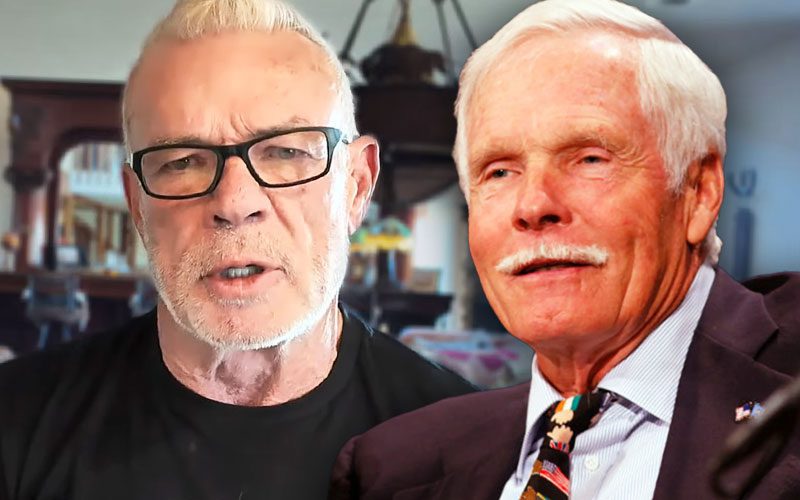
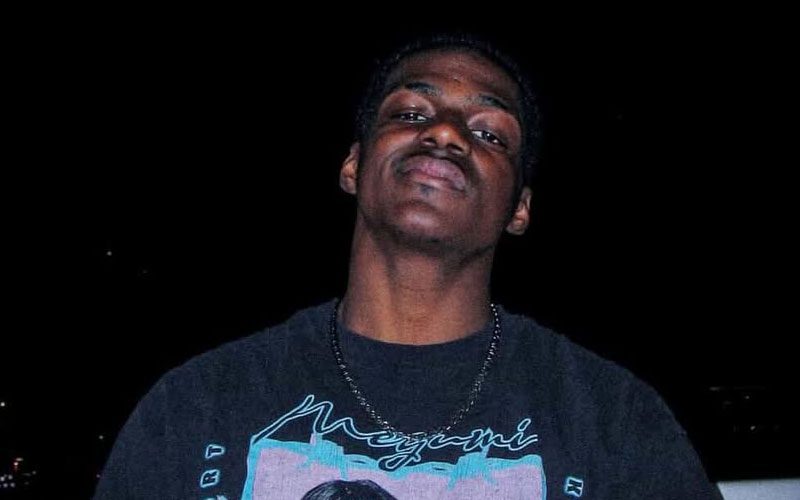
A Sudden Loss Rattles the Crossover Era
NASCAR icon and former WWE 24/7 Champion Kyle Busch has passed away at the age of 41. The sudden announcement came on May 21, 2026, sending shockwaves through the auto racing and professional wrestling industries. According to official statements from his family and team, the driver succumbed to a short illness.
The sports world immediately united in grief and disbelief. As PWInsider reported, the sudden loss of the future Hall of Fame driver has left NASCAR devastated. His death at such a young age is a harsh reminder of physical vulnerability, even for elite athletes.
Richard Childress Racing and the Busch family released a joint statement expressing their deep pain. They described Busch as a rare talent who cared deeply about his sport and his fans. The statement confirmed that he passed away peacefully, though they did not provide specific medical details.
Wrestling promotions were also quick to pay their respects to the crossover star. WWE released an official statement expressing their sadness and extending condolences to his family. This sudden loss has cast a long, somber shadow over the entire weekend of athletic events.
The History of Kyle Busch's Crossover Magic
Busch's involvement with professional wrestling was far more than a simple corporate stunt. He made his first major mark in WWE during an episode of Monday Night Raw in 2009. Serving as a guest host alongside fellow NASCAR star Joey Logano, Busch showed natural charisma that immediately won over the crowd.
His alignment with the wrestling brand continued to grow over the next decade. In 2010, Busch drove a WWE-themed stock car directly into Victory Lane after a dominant race. It was a high-speed promotional crossover that successfully introduced millions of racing fans to the wrestling product.
His absolute peak in the wrestling ring occurred in 2019. On the December 2nd episode of Raw, Busch pulled off a stunning upset by pinning R-Truth to win the 24/7 Championship. As F4WOnline detailed, the impromptu match took place at a live event and featured fellow NASCAR champion Michael Waltrip acting as the special guest referee.
The roll-up victory made Busch the only NASCAR driver in history to ever hold a WWE championship. While the 24/7 title was often treated as a comedy prop, Busch celebrated the moment with genuine enthusiasm. He ran from the arena with the green belt secured around his waist, creating an iconic crossover image.
The Somber Legacy and Loss of Owen Hart
The tragedy of Busch's passing is amplified by a somber anniversary on the wrestling calendar. Today, May 23, 2026, marks exactly 27 years since the passing of Owen Hart in 1999. The legendary Canadian performer died at the age of 34 during the WWF Over the Edge pay-per-view in Kansas City, Missouri.
Hart was preparing to make a spectacular entrance as the Blue Blazer, descending from the ceiling of the Kemper Arena. A tragic harness malfunction caused him to fall from the rafters, resulting in fatal injuries. The devastating accident remains one of the darkest moments in the history of live television.
The immediate handling of the tragedy remains a point of intense controversy in the industry. As detailed on PWInsider, the decision to continue the live broadcast after Hart's death was deeply criticized. It exposed a massive disconnect between corporate booking priorities and the basic safety of the performers.
The legal aftermath of the incident was swift and highly consequential. The Hart family filed a wrongful death lawsuit against the company, which eventually resulted in an $18 million settlement. The promotion later recovered a portion of that sum by successfully suing the manufacturer of the harness equipment.
The Modern Evolution of Athlete Safety
Looking at both tragedies side-by-side reveals how much the medical oversight in high-risk sports has evolved. In 1999, the physical safety of professional wrestlers was secondary to the demands of a live broadcast. Stunt rigging was done without standardized licensing, and emergency medical personnel were often unprepared for catastrophic falls.
NASCAR went through its own safety revolution following the tragic loss of Dale Earnhardt in 2001. The racing industry realized that raw speed could not outrun structural vulnerability. They mandated the HANS device, redesigned car chassis, and built softer retaining walls to protect drivers from massive deceleration forces.
WWE slowly followed suit, professionalizing its medical department under the Talent Wellness Program. Concussion protocols are now strictly enforced, and cognitive testing is mandatory for anyone returning from a head injury. The days of letting an injured wrestler perform through a severe muscle tear are thankfully over.
Yet, the physical demands on modern athletes continue to rise. Professional wrestlers are expected to work a relentless year-round schedule with zero off-season to recover. The human skeleton is simply not designed to absorb the force of twenty-foot falls onto thin mats week after week.
A Critical View on Relentless Scheduling
A negative observation must be made regarding the industry's relentless scheduling. Major promotions continue to crowd their calendars, forcing athletes to push their bodies to the absolute limit. We see wrestlers working through minor groin pulls and shoulder subluxations just to keep their television spots.
The upcoming FIFA World Cup kickoff on June 11 is already placing massive strain on cross-promotional events. Athletes are being flown across multiple time zones to participate in media tours, leaving them with minimal sleep. Sleep deprivation is the primary driver of motor reflex decay, which leads directly to in-ring accidents.
The physical toll of these promotional demands is visible on every roster. We see top stars slowing down, their explosive power fading as their joints accumulate micro-trauma. When a promotion prioritizes short-term television ratings over long-term physical recovery, the athletes always pay the price.
The loss of Kyle Busch at age 41 is a devastating blow that transcends simple sports statistics. It reminds us that behind the spectacular moves and high-speed turns are real human bodies that can break down. The medical staff at Richard Childress Racing and WWE must continue to prioritize preventative care over active recovery.
Clinical Verdict and the Long-Term Path Forward
Sports science has made massive leaps, yet the fundamental risk of these high-impact professions remains unchanged. Crossover segments often ask untrained celebrities to perform physical stunts with minimal rehearsal time. While Busch was a natural athlete who handled his spot perfectly, other guest hosts have suffered serious injuries due to poor planning.
Ultimately, the responsibility falls on the promoters to protect these athletes from themselves. Without mandatory rest periods and strict physical evaluations, we will continue to see young stars forced into early retirement. The sport must evolve to prioritize the longevity of its performers over temporary corporate profits.