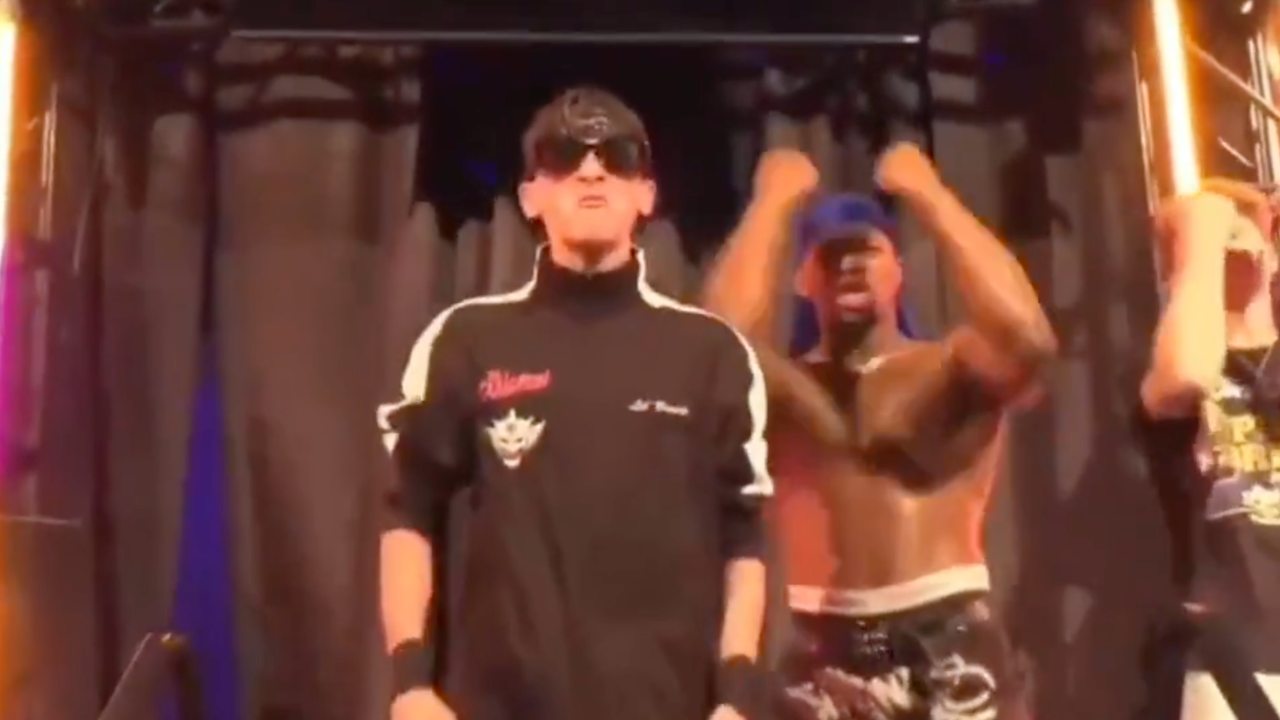
WWE must stop protecting everyone: McIntyre vs. Fatu needs a clean finish
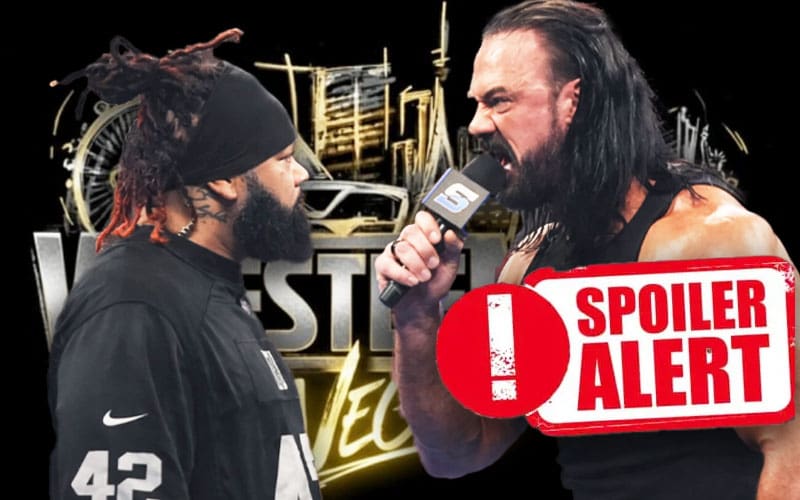
The Ticking Clock to Las Vegas
Today is March 26, 2026. The calendar is unforgiving. WrestleMania 41 kicks off at Allegiant Stadium in exactly 24 days.
The main event pictures are locking into place. The promotional engine is running at full capacity. Down in the trenches of the undercard, however, a much more violent situation is brewing.
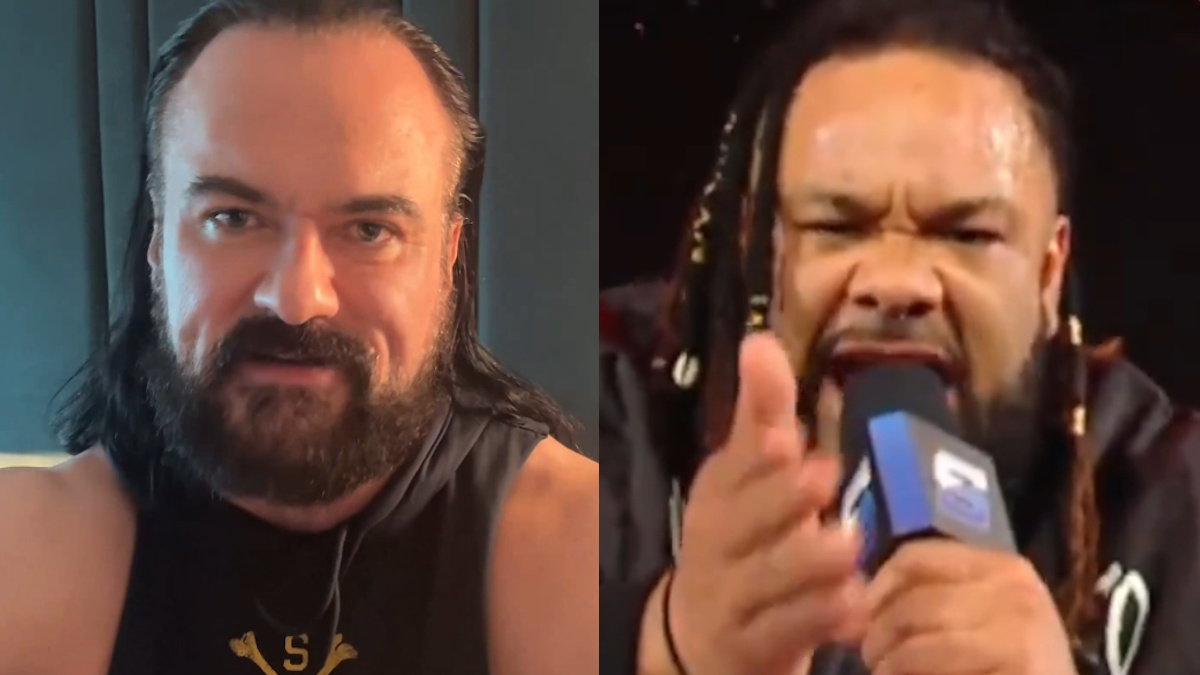
Reports and whispers are already circulating online about Drew McIntyre and Jacob Fatu. The tension between these two men is a powder keg sitting in the middle of the current television product.
They have already pushed the physical limits of what WWE allows on weekly broadcasts. The escalation is entirely organic. You do not need a complex storyline when you have two men who hit the ropes with genuinely bad intentions.
The Psychology of the Preemptive Strike
Drew McIntyre has evolved into the most fascinating paranoid character in professional wrestling. He is a giant who genuinely believes the universe is actively working against him. For the last two years, his booking has entirely supported that delusion.
He lost at Clash at the Castle in 2024 due to outside interference. He watched Money in the Bank briefcases ruin his crowning moments. CM Punk turned his life into a psychological nightmare.
McIntyre’s entire career arc justifies his current state of mind. Fans vividly remember his initial run as Vince McMahon's handpicked future star. That label became an impossible burden that crushed his early momentum.
He was fired. He had to rebuild his entire physical and tactical approach on the independent circuit. He transformed his body in gritty promotions like ICW. He fought his way back into the WWE system through sheer force of will.
When he finally won the WWE Championship, it was in an empty warehouse during a global lockdown. He never received his rightful moment in front of a stadium crowd. Every time he gets close to reclaiming that glory, someone pulls the rug out from under him.
McIntyre’s paranoia is not just directed at his opponents. He openly despises the WWE management structure. He frequently accuses the front office of protecting the Bloodline and turning a blind eye to their constant interference.
This adds another layer of tension to his current run. When he fights Fatu, he feels like he is fighting the entire corporate system. He believes the referees are compromised. He believes the deck is entirely stacked against him.
Because of this trauma, McIntyre no longer waits for the bell. He operates on a strict policy of preemptive violence. He swings first to prevent himself from becoming a victim.
Watch his footwork before a match even begins. He paces the ring like a caged animal. When he throws the Glasgow Kiss headbutt, it is not a standard wrestling hold. It is a targeted strike meant to break an orbital bone.
He sets up the Claymore from the corner with a genuine look of disgust. He is not just trying to win a wrestling match. He is trying to permanently eliminate a perceived threat.
The Samoan Werewolf Problem
Jacob Fatu presents a completely different terrifying variable. He is not a calculating manipulator like Roman Reigns. He does not cut slow, methodical monologues about his internal struggles.
Fatu is a blunt instrument. Since arriving in WWE, he has operated as the completely unhinged enforcer for the Bloodline. He moves with a frightening velocity that entirely defies his massive physical dimensions.
When a man pushing 280 pounds hits a springboard moonsault, the standard physics of a wrestling ring break down. His offense is reckless. He frequently sacrifices his own body to inflict maximum damage.
The pop-up Samoan Drop is a perfect example of his physical dominance. He absorbs the momentum of a charging opponent, redirects it vertically, and drops them directly onto their neck. It is a car crash in the center of the ring.
Fatu’s journey to this point is incredibly compelling. For years, he was the terrifying secret of the independent scene. While his cousins were main-eventing stadiums, Fatu was tearing apart smaller venues in Major League Wrestling.
He built a reputation as the most dangerous member of his legendary family. He was widely viewed as a man too volatile for corporate television. When he finally arrived in WWE, he bypassed the developmental system entirely.
He was thrust directly into the main event scene. Fatu does not carry the burden of past WWE failures. He does not have a redemption narrative to overcome.
He operates with a blank slate of pure destruction. He is not trying to prove he belongs. He is actively trying to shorten the careers of the people who are already standing in the ring.
The Bloodline itself has morphed into a completely different entity under Solo Sikoa. The calculating, methodical pacing has been replaced by pure thuggery. Sikoa has essentially weaponized Fatu as a guided missile aimed at anyone who disrespects their faction.
Unlike the rest of his family, who constantly rely on numbers and distraction, Fatu actively seeks out the violence. He enjoys the chaotic brawls outside the ring. He wants to throw monitors and tear apart the announce desk.
The Stylistic Nightmare
When you put McIntyre and Fatu in the same ring, the traditional heel-face dynamic completely disintegrates. Neither man is going to play to the crowd for sympathy. Neither man is going to work a prolonged rest hold.
McIntyre is the de facto crowd favorite simply because he is standing opposite a Bloodline member. But his tactics are purely villainous. He will happily introduce a steel chair to a standard singles match to gain an advantage.
McIntyre is proudly disrespectful. He actively mocks the Samoan dynasty. He dismisses their tribal theatrics as pure nonsense. This ideological clash makes the physical violence inevitable.
This is fundamentally a matchup of spatial awareness. McIntyre wants distance. He needs running room to maximize the impact of the Claymore. His Future Shock DDT requires a momentary lapse in his opponent's balance.
Fatu’s agility makes him a nightmare to map defensively. He is not a static target. He alters his verticality with terrifying speed. He throws superkicks with the hip rotation of a lightweight striker.
He can hit a springboard clothesline before McIntyre can even secure a defensive base. If McIntyre tries to rely entirely on striking power, he runs into a brick wall. Fatu routinely shrugs off offense that would incapacitate a normal athlete.
McIntyre’s striking is rooted in European upper-body control. He uses stiff forearms and heavy chops to break down the posture of his opponent. Every blow is designed to force a defensive mistake.
Fatu strikes wildly but with devastating accuracy. He throws thrust kicks that target the jawline, utilizing his incredibly flexible hips. This clash of a calculated European brawler versus a fast-twitch striker is a rare dynamic.
McIntyre will have to drag the match into deep water. He cannot survive a pure striking exchange. He will need to employ fundamental chain wrestling, attack the base, and neutralize that explosive vertical leap.
It requires a tactical patience that McIntyre has frankly abandoned in recent months. The physical toll of this feud is going to be immense. You cannot fake the impact of two men this size throwing fastballs at each other.
WWE’s Fatal Flaw with Heavyweights
This brings us to the massive, glaring problem with how WWE handles these specific situations. The company fundamentally misunderstands how to book a true heavyweight collision.
The creative team operates out of absolute fear. They are terrified of definitively ending a match between two protected assets. They refuse to allow a clean pinfall, opting instead to artificially protect fictional momentum.
If McIntyre and Fatu lock up, the match demands a definitive conclusion. One man must look at the lights. Instead, we are almost certainly marching toward an overbooked disaster.
The Bloodline will inevitably flood the ring. Tama Tonga will pull the referee out. A double count-out or a disqualification will leave the arena entirely silent.
This structural crutch has ruined countless main events over the last three years. It is an exhausting, lazy pattern. Fans can spot the incoming interference from a mile away.
It deflates the energy in the arena the moment a secondary character walks down the ramp. Fatu does not need protection from a loss. McIntyre does not lose his aura if he gets pinned after a brutal, 20-minute war.
Fans respect durability and physical resilience far more than an artificially protected undefeated streak. If WWE books a non-finish here, they are squandering a massive opportunity.
They are insulting the intelligence of the audience. They are prioritizing a corporate spreadsheet over compelling television.
Look at how WWE handled the initial clashes between Gunther and Sheamus. They let them beat each other into an absolute pulp. They gave the audience a definitive, violent conclusion without outside nonsense.
That is the exact blueprint. That is how you handle two heavyweights. You let the match descend into chaos, but you ensure the referee eventually counts to three.
Bridging the Gap to Backlash
The timing of this feud is vital. April and May are traditionally difficult months for WWE booking. The post-WrestleMania slump is a very real phenomenon that regularly drains television viewership.
Once the spectacle of Vegas is over, the company has to maintain momentum heading into the European tours. The Backlash premium live event on May 9 needs a compelling anchor.
The middle of the card desperately needs actual in-ring heat. The main event angles are usually filled with pre-taped segments or heavily scripted contract signings.
McIntyre and Fatu provide a chaotic alternative to those overly polished championship programs. They bring a necessary, unscripted grit to the weekly broadcasts.
The violence has to escalate logically. We do not need a heavily contrived gimmick match immediately. We need them brawling in the backstage area. We need them destroying catering tables and tearing through the gorilla position.
McIntyre is at his absolute best when he is fully unhinged. When he loses his temper and throws the script away, he connects with the audience on a visceral level.
He needs an opponent who will not back down from that intensity. Fatu is the perfect dance partner for that exact brand of chaos. He does not care about McIntyre's resume.
He does not care about McIntyre's list of grievances. He just wants to fight. The immediate reality is staring us right in the face. We have a bitter, massive Scotsman who feels the world owes him a debt. We have a reckless Samoan enforcer who wants to break people for fun.
They are on a collision course right now. WWE has all the right ingredients sitting on the table. They have the talent, the motive, and the impending deadlines.
All they have to do is ring the bell and get out of their own way. Do not overbook it. Let the physical toll tell the story. The fans will handle the rest.
WWE Men's Logo T-Shirt
The classic logo tee that represents the squared circle anywhere you go.
Frequently Asked Questions
When is WrestleMania 41 happening?
Why is Drew McIntyre considered a paranoid character?
How did Drew McIntyre rebuild his wrestling career?
What is Drew McIntyre's main issue with WWE management?
Why does Drew McIntyre use preemptive strikes in his matches?
More Coverage

WWE shifting Money in the Bank off its summer slot is a wild gamble
36 minutes agoDanhausen needs more than a curse to survive Raw
3 hours ago
WWE scrambles to add firepower to tonight's RAW lineup
4 hours ago
Bayley is at a career crossroads after her Saturday Night's Main Event loss
4 hours ago
WWE’s cross-country WrestleMania 43 strategy is driving fans absolutely feral
5 hours agoTom Brady appearing in a WWE ring is the exact kind of chaos we deserve
6 hours agoMore Analysis
McIntyre and Fatu are playing a dangerous game before WrestleMania 41
3 months ago
Jacob Fatu is the unhinged glue holding WWE's Bloodline together
2 months ago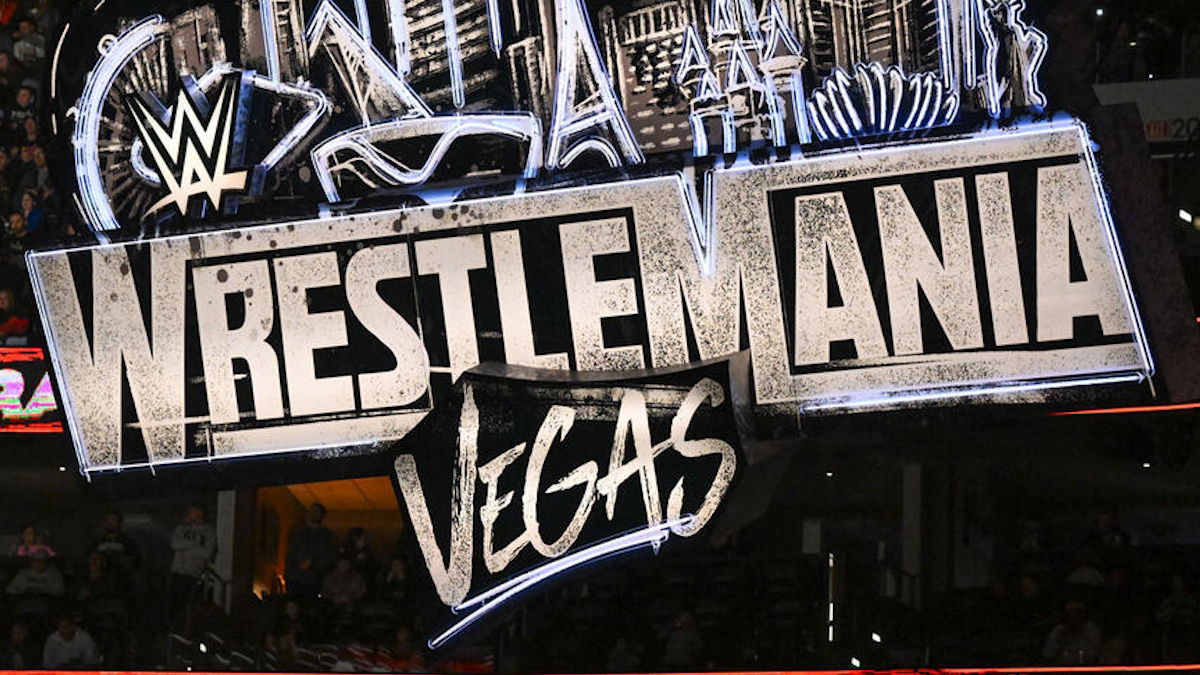
McIntyre and Fatu are about to wreck WrestleMania 41
3 months, 3 weeks ago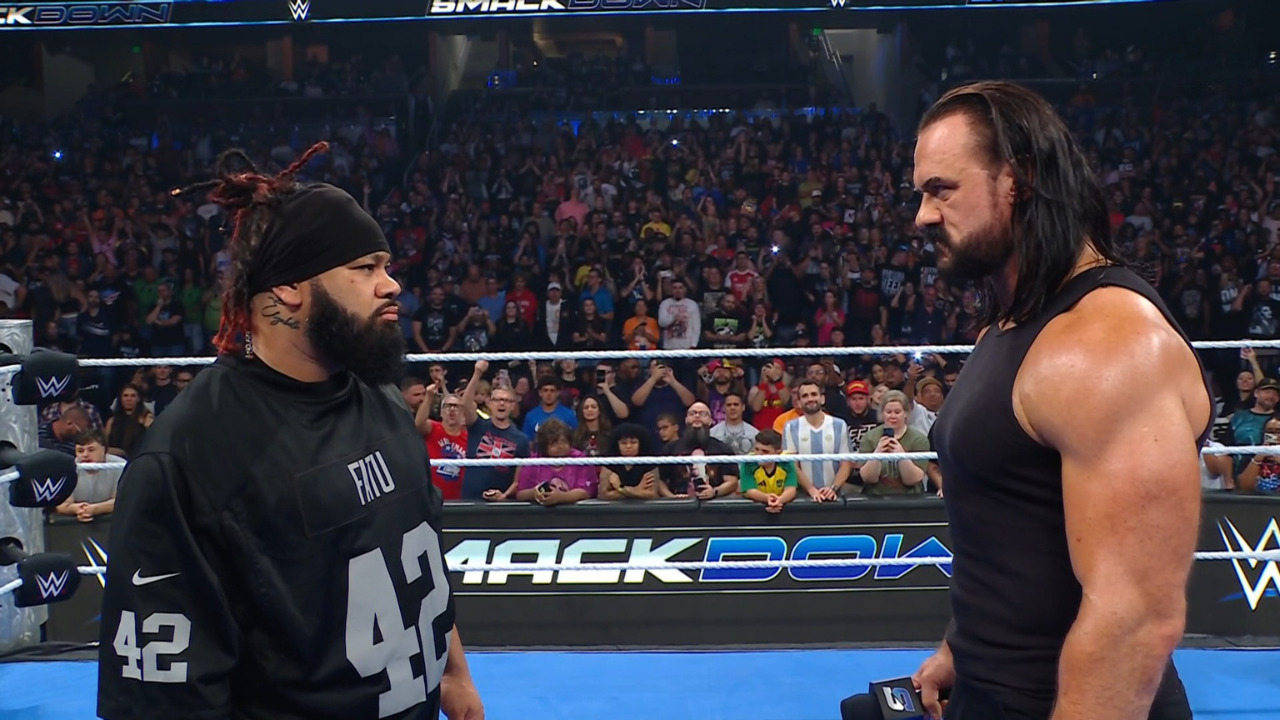
Jacob Fatu just proved he is the real monster of the Bloodline
2 months, 4 weeks ago
Jacob Fatu vs. Drew McIntyre is the collision course we didn't know we needed
4 months ago