The Hinge Year of Pro Wrestling Chaos
Grab a beer and sit down, because we need to talk about the PWTorch Pastcast from April 30th. If you aren't listening to Moynahan and McDonald dig through the 1996 archives, you are missing the blueprint for everything we love and hate about wrestling today. We are looking at Newsletter #385, dated April 15, 1996, and it is a fascinating, terrifying time capsule of a business that was about to explode.
Think about where we are in 2026 for a second. Everything is polished. Everything is corporate. But in April 1996? The inmates were starting to take over the asylum, and the guards were too busy arguing about paychecks to notice. The headlines in this specific issue—the Brian Pillman car crash, the absolute mess of Hogan's status in WCW, and the early death knell of the UFC—are the high-octane fuel that started the fire of the Monday Night Wars.
The PWTorch guys spent 155 minutes breaking this down, and honestly, they could have gone for five hours. 1996 wasn't just another year on the calendar. It was the Big Bang. It was the moment the Fourth Wall didn't just crack; it was smashed with a sledgehammer by a guy in a Bengals jersey who decided he didn't want to follow the script anymore.
The Loose Cannon and the Kentucky Butterfly Effect
The biggest story in this newsletter is the Brian Pillman car crash. For the uninitiated, Pillman was the most dangerous man in the industry in 1996. Not because he was a shooter, but because nobody—not Eric Bischoff, not Kevin Sullivan, not even the guys in the locker room—knew if he was working or if he had actually lost his mind. He had just finished the "I respect you, bookerman" angle and was effectively a free agent who was playing the WWF and WCW against each other like a master violinist.
Then came that stretch of road in Kentucky. Pillman fell asleep at the wheel and flipped his Humvee while doing 70 miles per hour. It is the ultimate "what if" in wrestling history. If Pillman doesn't shatter his ankle that night, the entire trajectory of the late 90s changes. People talk about Stone Cold Steve Austin, but Pillman was the proto-Austin. He was the one who figured out that if you act like a complete psycho and ignore the rules of the business, the fans will treat you like a god.
Looking back from 30 years ago, the tragedy isn't just that a great athlete got hurt. The tragedy is that we lost the chance to see the greatest worker of the era at his peak. Pillman with two good legs in the 1997 WWF would have been nuclear. Instead, we got a guy who had to rely on guns and segments because he could barely walk. It’s a harsh reminder that the business we love is built on the backs of people who are one bad night away from never being the same.
WCW was a mess and Hulk Hogan was the problem
While Pillman was fighting for his life, WCW was busy fighting itself. The PWTorch newsletter reports on Hogan’s status, and let me tell you, it was a disaster. In early 1996, Hulk Hogan was the most hated man in wrestling, and not in the way he wanted to be. He was the guy who showed up, ate the young talent, filmed "Santa with Muscles," and then expected a parade. The fans were done. They were booing him out of every building in the country.
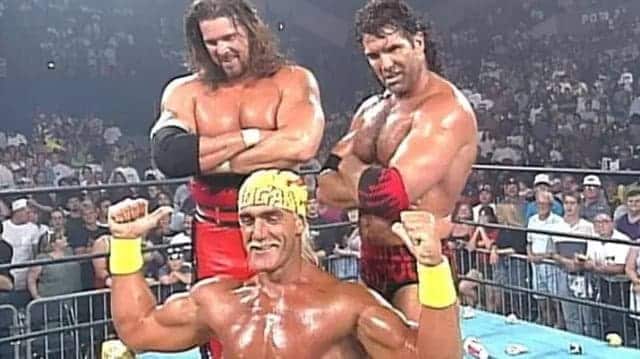
The newsletter captures that weird transition period where Hogan was "vanishing" from television. We know now that he was gearing up for the nWo turn in July, but in April? It just looked like WCW was a promotion with no direction. They were pushing The Giant—a kid who was barely 24 years old and still learning how to lace his boots—into the main event against Ric Flair. The Giant was a freak of nature, sure, but putting the belt on him was a panic move because Hogan was too busy being a movie star.
"The Giant is currently the only thing WCW has that feels like a spectacle, but they are burning through his aura faster than a kerosene soaked rag."
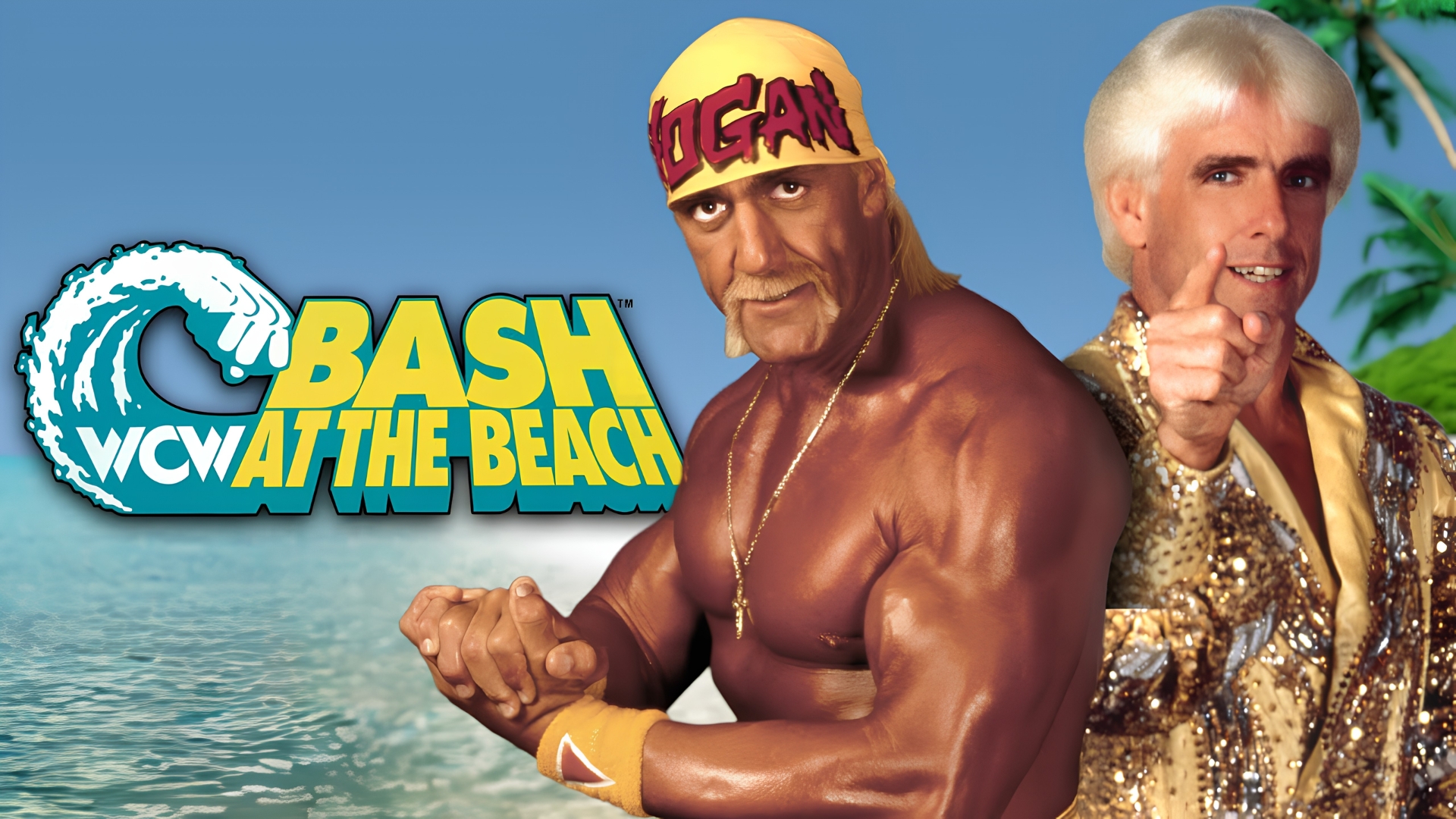
That quote from the era hits hard. WCW’s biggest flaw was always their inability to build for the future. They had the biggest roster in the world, the deepest pockets, and yet they were constantly tripping over their own shoelaces to keep the aging stars happy. The newsletter discussion about Hogan's "status" is basically a 155-minute autopsy of a company that had too much money and zero discipline. It’s a miracle they survived long enough to even get to the Bash at the Beach.
The Night the UFC Almost Died
Then you have the UFC news. It’s hilarious to think about now, given that UFC is a global titan in 2026, but in 1996, the sport was basically a legal outlaw. The newsletter mentions the "UFC event in doubt" regarding UFC 9: Motor City Madness. Senator John McCain was calling it "human cockfighting" and trying to get it banned in every state. They were literally fighting in courtrooms more than they were fighting in the Octagon.
UFC 9 was the show where they had to change the rules at the last minute to avoid being arrested. They told the fighters they couldn't throw closed-fist strikes to the head. Can you imagine that? A cage fight where you have to use open palms like you're in a Pancrase match. It was a joke. But it shows you how close we came to never having MMA at all. If the politicians had won that battle in Michigan, the last 30 years of combat sports would be a blank page.
There is a lesson here about gatekeepers. Whether it was the wrestling promoters trying to freeze out Pillman’s reality-bending or the politicians trying to kill the UFC, the establishment is always the last to know when the world is changing. The PWTorch crew does a great job of highlighting how much fear there was in the air back then. Everyone knew something big was coming, but nobody knew if they would survive the fallout.
Why We Still Care Thirty Years Later
So, why are we still talking about a newsletter from April 1996? Because 1996 was the last time wrestling felt truly dangerous. Before the scripts got too long and the shareholders got too nervous, you had guys like Pillman and events like the early UFC that were operating without a net. It was raw, it was ugly, and it was occasionally a complete train wreck, but you couldn't look away.
WCW’s booking was objectively terrible in this period. The Alliance to End Hulkamania? The Doomsday Cage? It was garbage. But it was *interesting* garbage. It was a company trying everything to see what would stick. And while they were failing, they were accidentally creating the environment that allowed the nWo and Stone Cold to happen. You don’t get the peak of the 90s without the absolute basement of early '96.
If you take anything away from this Pastcast, let it be this: the best things in wrestling usually happen when things go wrong. Pillman’s crash was a tragedy, but it forced him to become a character that changed the industry. Hogan’s staleness forced the greatest heel turn in history. The UFC’s legal battles forced them to evolve into a real sport. We’re living in a world built by the chaos of 1996. Next time you see a perfectly choreographed, boring-as-sin 20-minute match, remember that 30 years ago, a guy with a shattered ankle and a fused foot was scaring the hell out of everyone just by walking to the ring.