
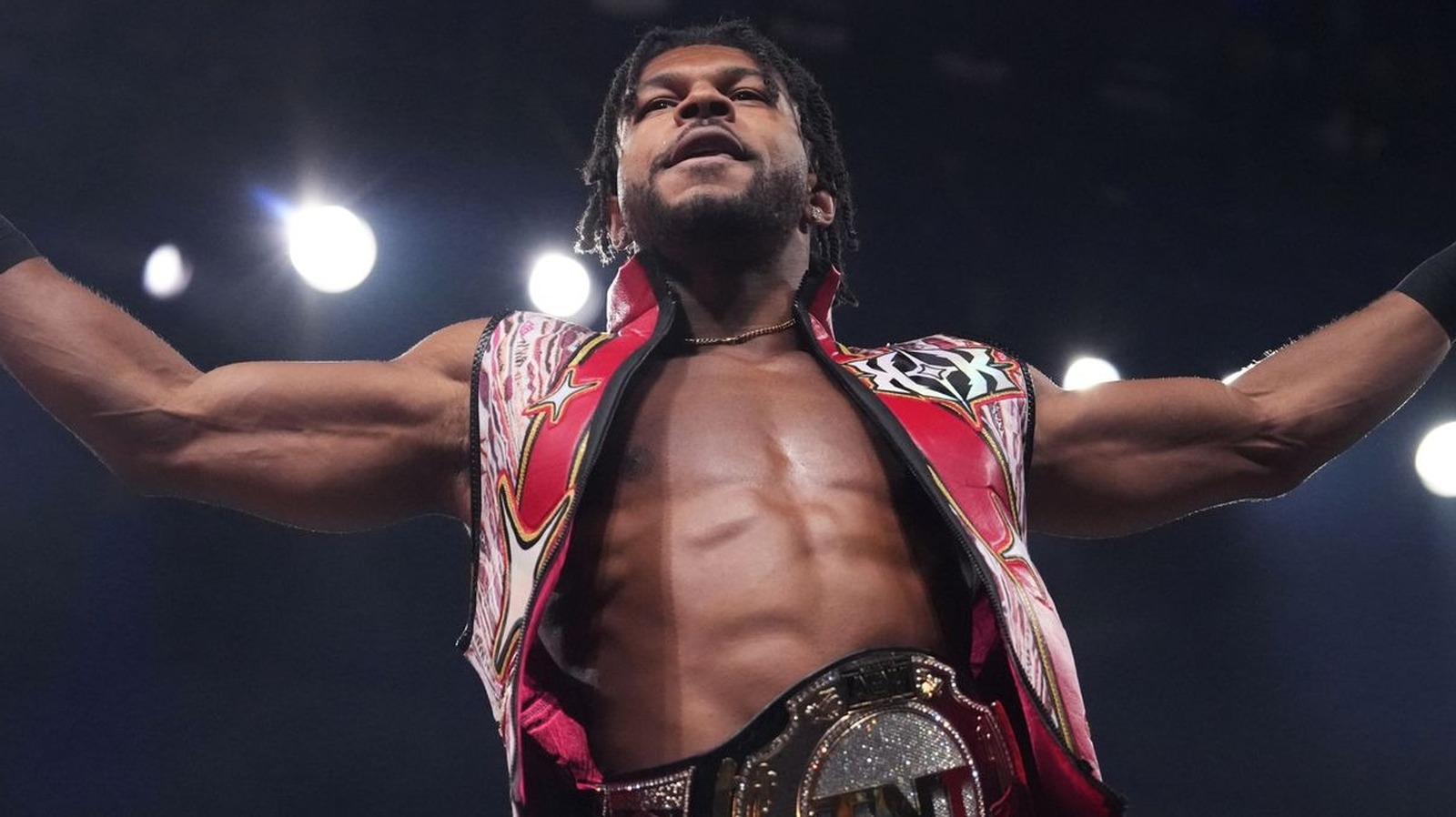
The Physical Cost of Championship Gold
AEW TNT Champion Kevin Knight is officially navigating his first major physical challenge since securing the belt. Following a grueling stretch of title defenses against high-ceiling talent, the wear and tear on the champion is becoming difficult to ignore. The intensity of his recent schedule has directly correlated with a noticeable drop in mobility during live broadcasts.
Knight’s recent clash with Kenny Omega forced him into a high-octane pace that exposed recurring stiffness in his lower lumbar region. This is not an isolated incident. The champion has been working through significant soreness after taking multiple Busaikus and a sustained assault from Darby Allin in the preceding weeks.
The Tactical Reality of the TNT Title
Booking the TNT title as the workhorse championship inevitably leads to accelerated injury timelines. Kevin Knight has leaned into this reality, refusing to shift his move set to protect his long-term health. His reliance on high-impact vertical maneuvers against opponents who specialize in ground-based attrition creates a stylistic mismatch that punishes his joints.
Historical data suggests this specific injury path is common for mid-card champions in AEW. Similar to previous iterations of this title run seen under different holders, the champion rarely takes time off to recover. Instead, the promotion pushes through, often hiding the limitation by shifting the focus to high-intensity brawls where technical execution is secondary to sheer willpower.
The Competitive Fallout
Industry observers are raising red flags regarding the sustainability of this current trajectory. If Knight cannot clear the existing inflammation in his hip flexors, the creative team will be left with two difficult choices. They can either force a title change before the natural narrative conclusion or pivot to a series of squash matches that do little to showcase the talent of the champion.
Competing at this specific level of velocity requires absolute physical readiness. When a titleholder is operating at 70 percent capacity, the quality of the product suffers alongside the health of the wrestler. Expect management to limit his in-ring exposure to tag team scenarios over the next month to shield him from full-scale singles encounters.
Analyzing the Performance Gap
The reliance on high-risk counters against elite-level opponents like Omega has left Knight physically spent. Watching the tape, it is clear that his transitions have become labored. The snap in his dropkick, once his hallmark, has lost roughly 20 percent of its vertical speed over the last three televised outings.
Critically, the booking team remains committed to the current trajectory despite the obvious physical regression. Ignoring these subtle signs of fatigue is a recurring mistake within the promotion. Relying on the champion to fight through this will likely result in a more severe, acute injury that would force a mandatory vacancy of the championship by the end of the calendar year.
Sources close to the athletic training staff indicate that a short-term rehabilitation plan is under consideration. This involves stripping back the Wednesday night rotation to favor light-duty appearances. Whether the creative team follows that advice remains the core tension point for the remainder of the summer.
