
The High-Risk Dynamic of AEW's Top Ring Styles
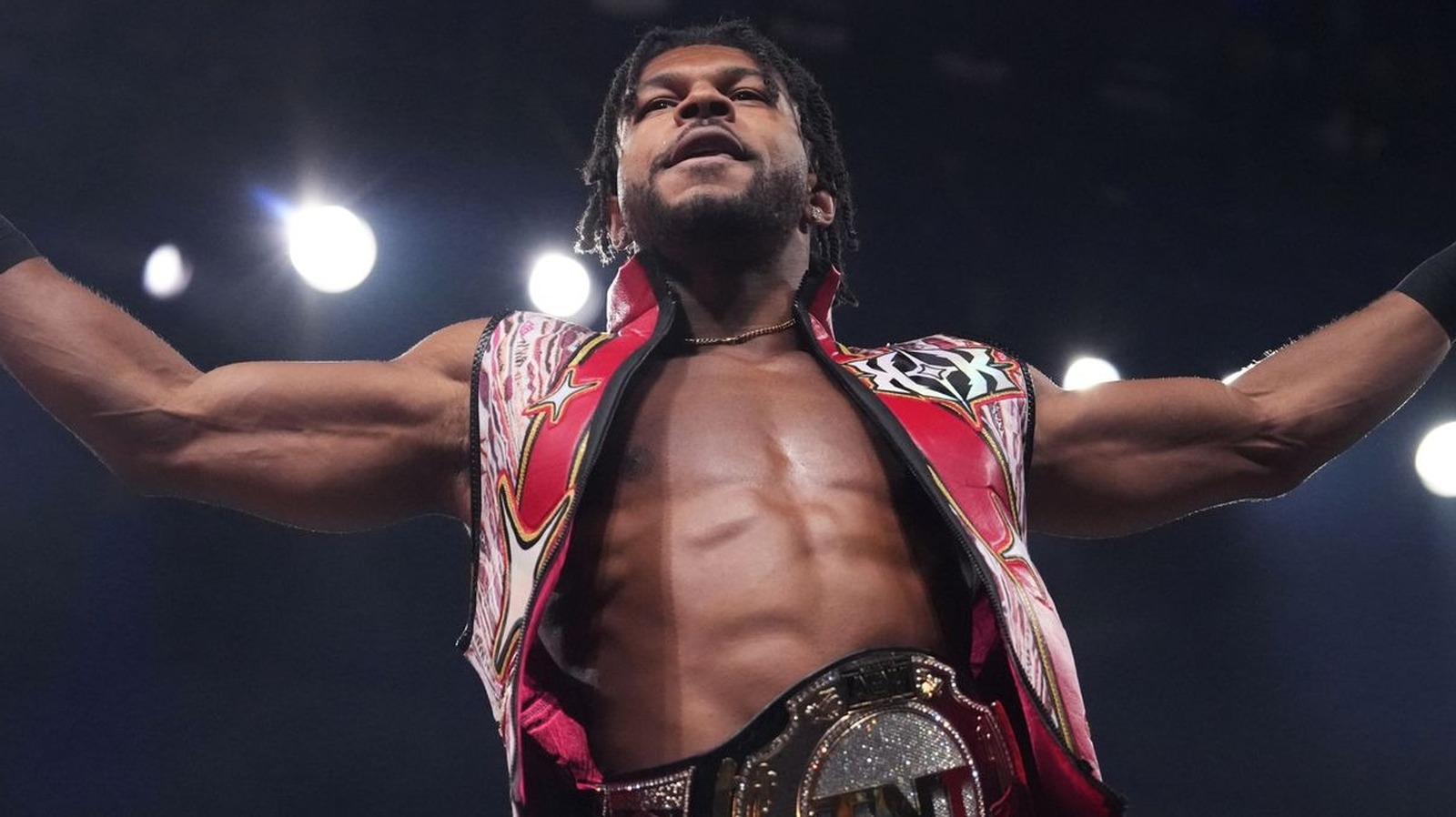
AEW TNT Champion Kevin Knight recently highlighted the grueling physical demands of sharing a ring with former World Champion Kenny Omega and former TNT Champion Darby Allin. Speaking on the shared traits of his recent high-profile opponents, Knight emphasized that both competitors operate at an extreme physical threshold that forces opponents to adjust their defensive strategies immediately upon entering the squared circle.
Knight noted that while Omega relies on explosive, high-impact strikes and dangerous snap-plex variations, Allin presents an entirely different threat built around reckless body placement and high-velocity collisions. The contrast in physical toll highlights how AEW's main event styles test athlete durability over extended singles programs.
Evaluating the Physical Impact and Recovery Timelines
Competing against top-tier performers who utilize high-risk offensive arsenals inevitably elevates the probability of acute impact injuries and cumulative soft-tissue wear. In professional wrestling's heavy schedule, facing athletes who throw their bodies without regard for personal safety—such as Allin's trademark Coffin Drop—requires rigorous neck and shoulder conditioning to prevent severe spinal compression or concussions.
When dealing with opponents of Omega's caliber, who frequent heavy lifting maneuvers like the One-Winged Angel, defenders face heightened risks of shoulder strain and lower back trauma. Maintaining peak physical condition while enduring weekly televised matches remains the single biggest hurdle for champions maintaining long title reigns in modern wrestling environments.
Industry Implications and Comparative Trends
Modern pro wrestling has seen an increasing emphasis on high-impact styles, which directly correlates with longer recovery periods and frequent roster rotations across major promotions. Promoters face continuous challenges balancing main-event draw potential against athlete longevity and roster depth management.
Historically, aggressive styles have shortened the peak performance windows of top-tier talent. As champions like Knight continue to navigate intense physical matches, training staff and medical teams are forced to implement more proactive recovery protocols, mirroring those seen in high-contact sports like rugby and American football.
