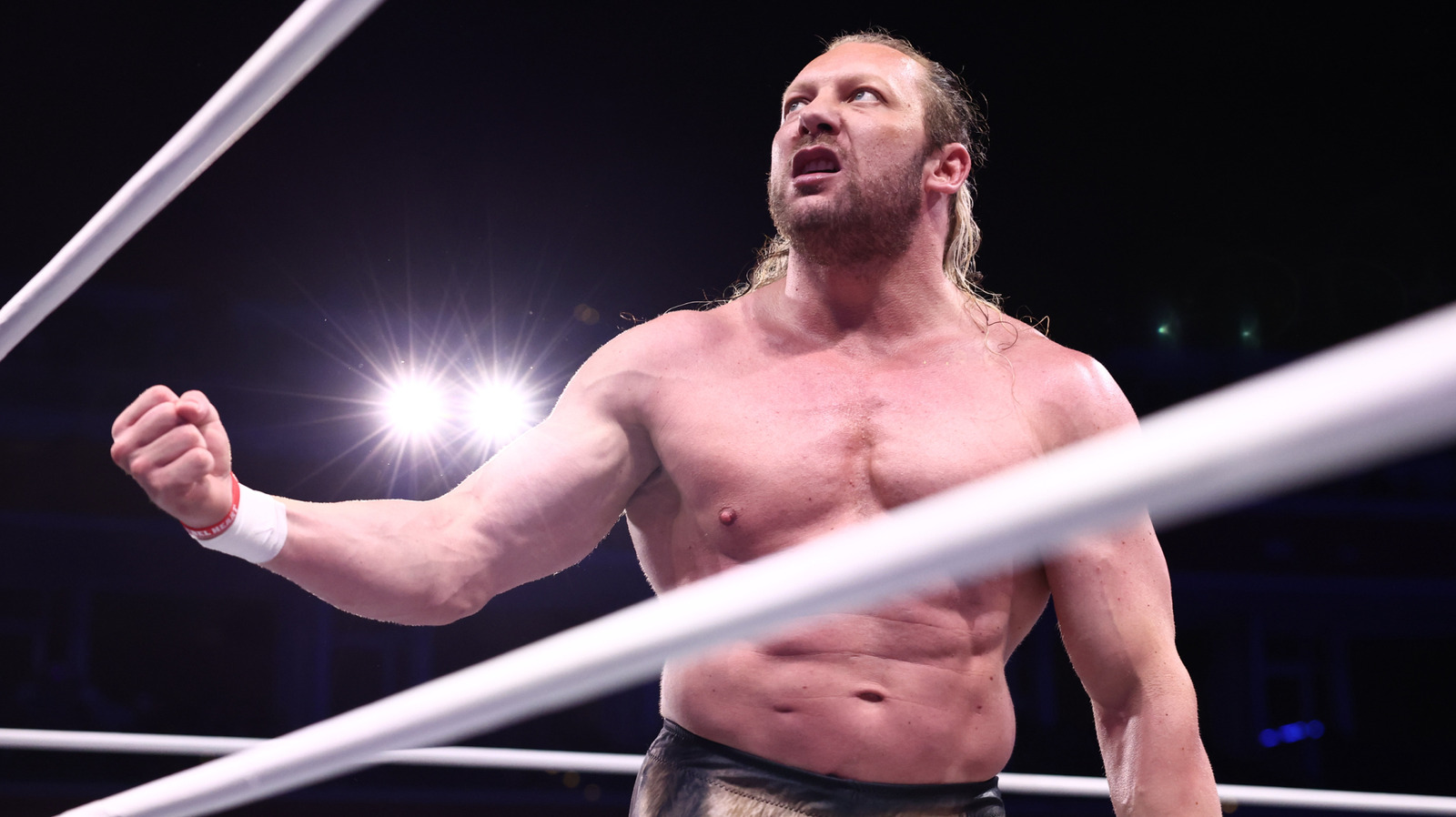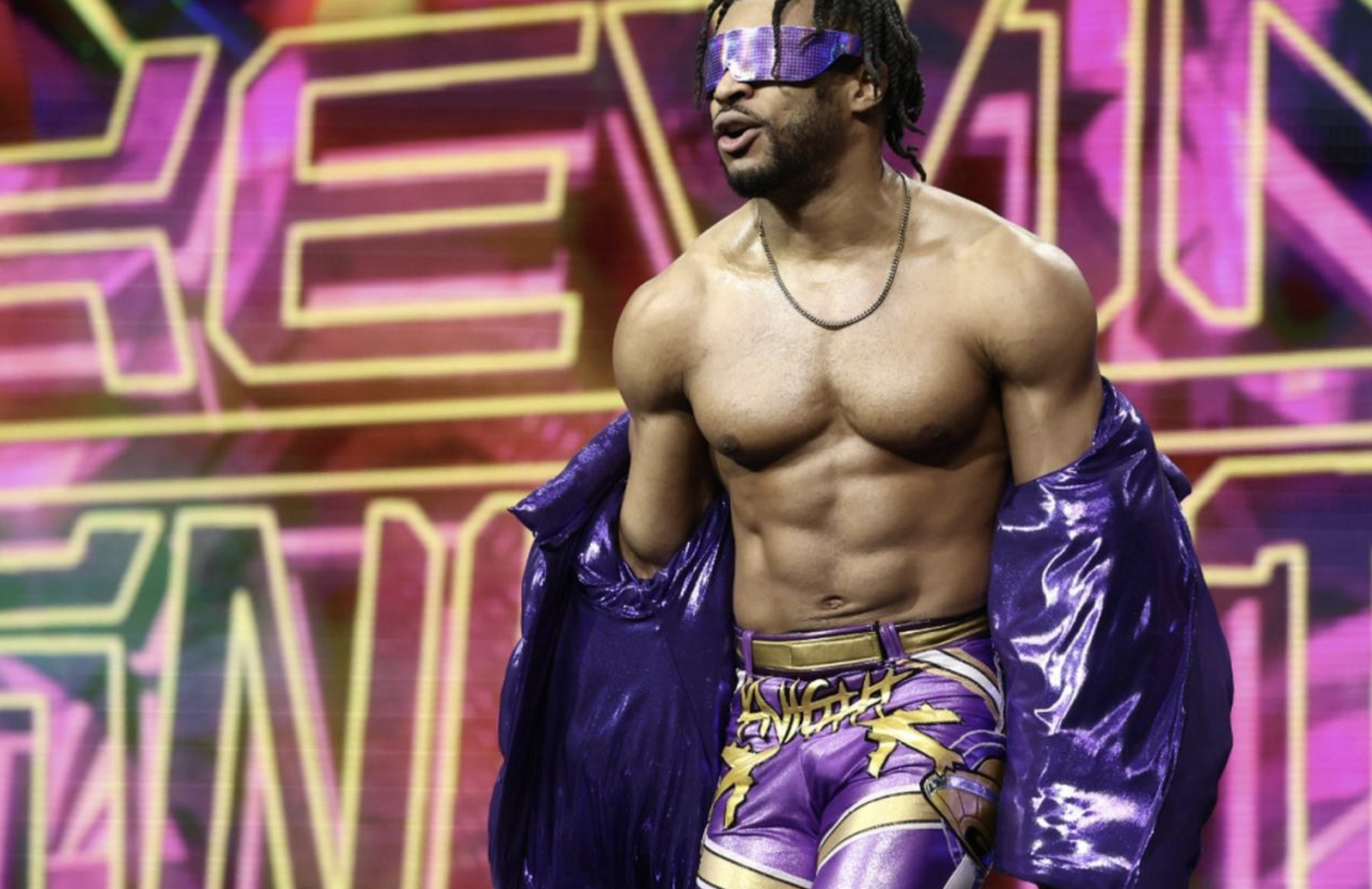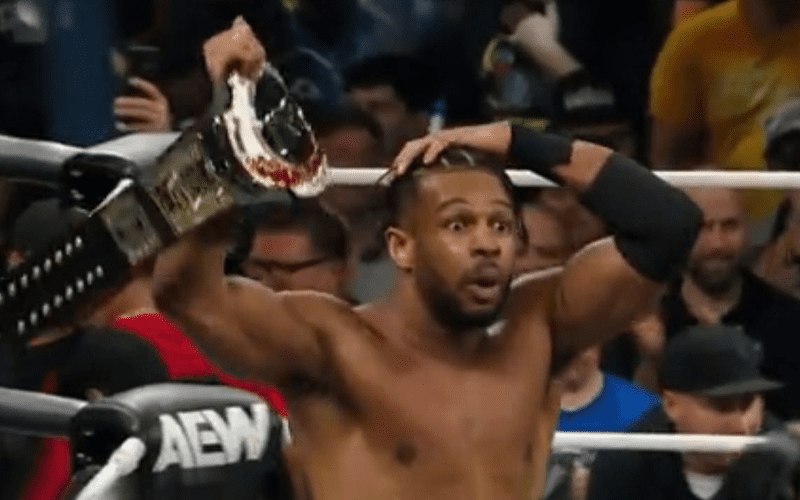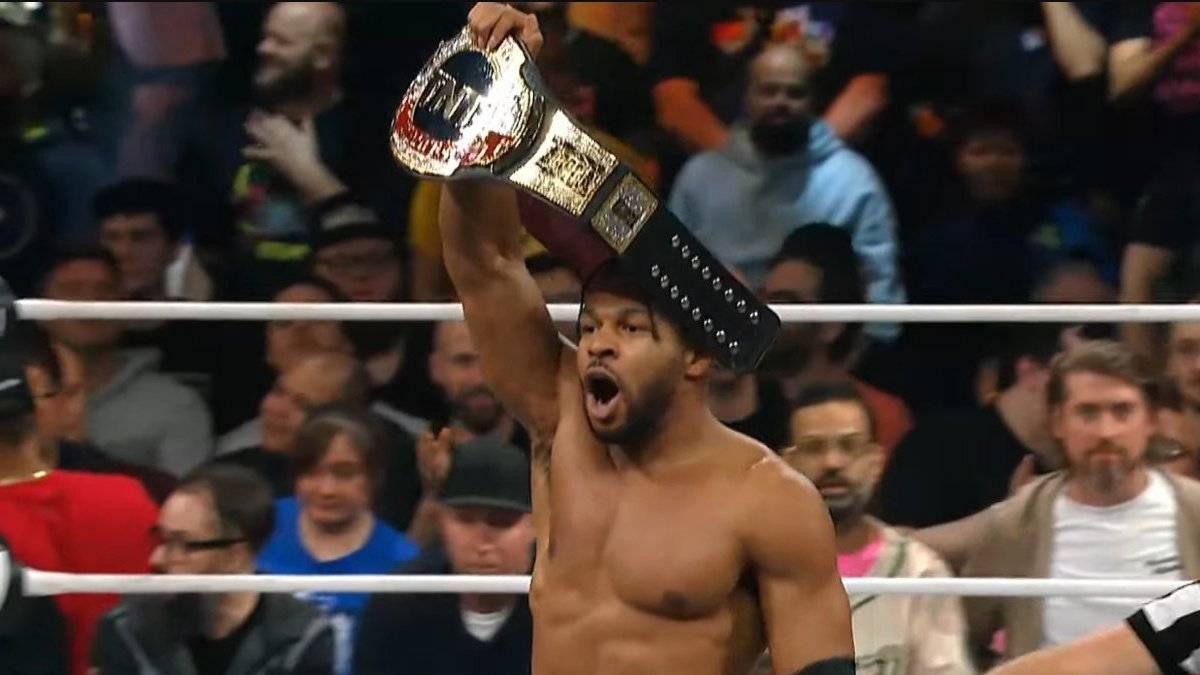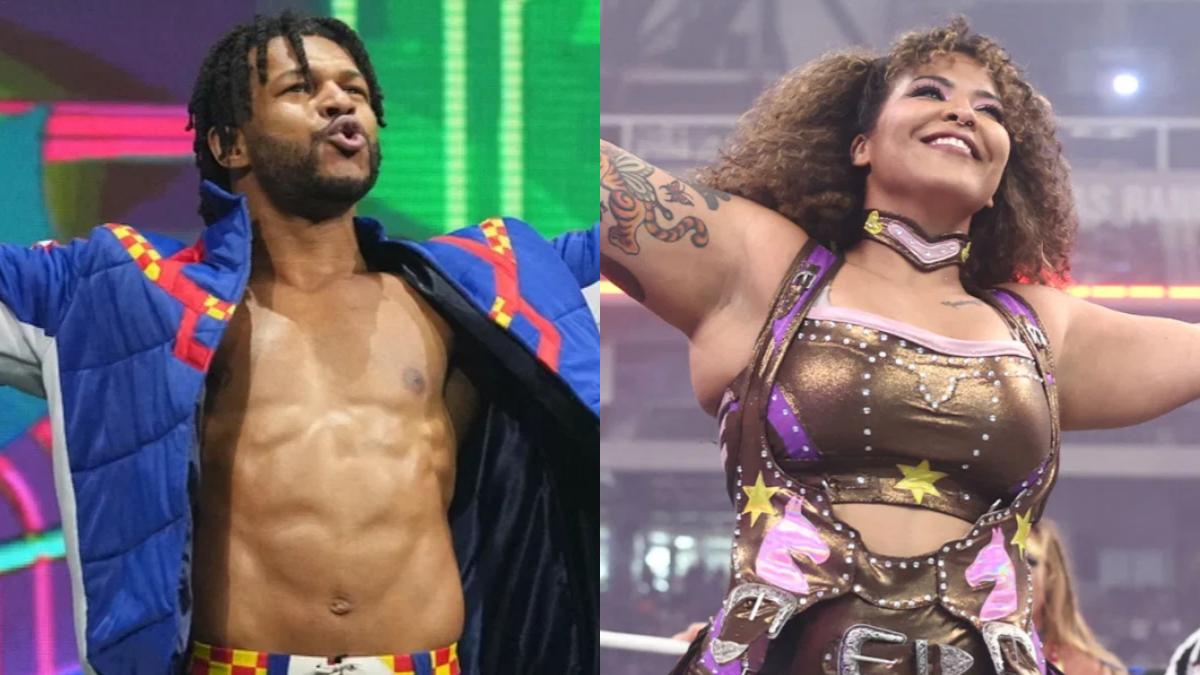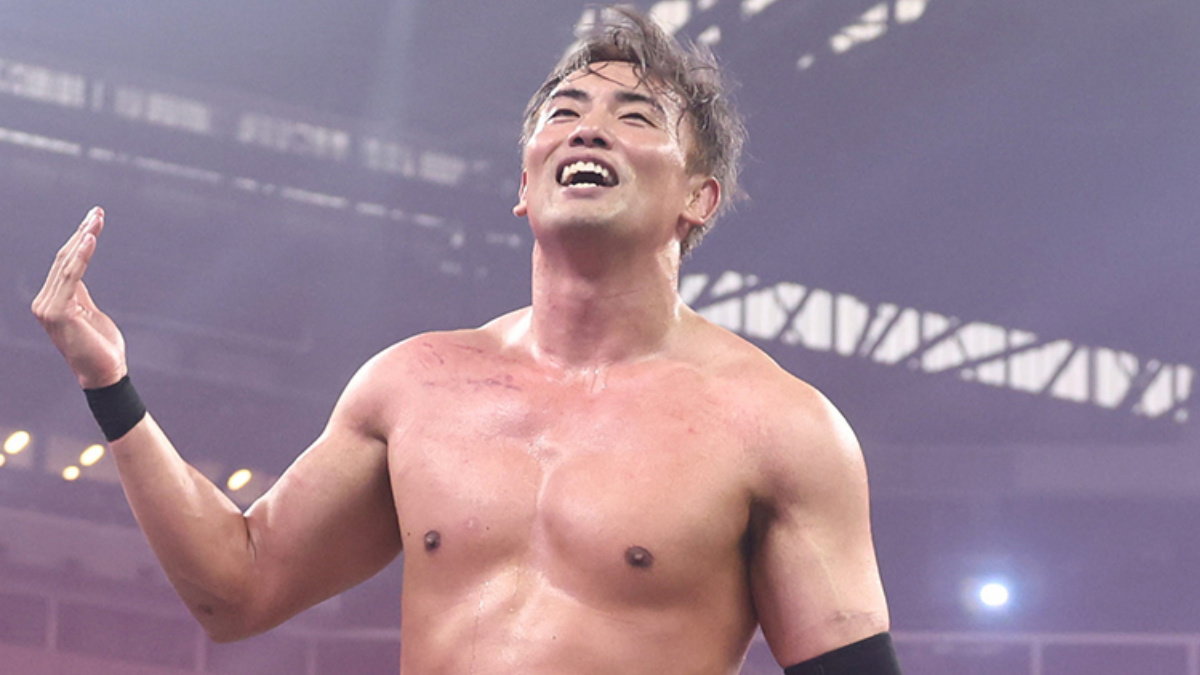
AEW Dynasty is exactly four days away, and the card in Kansas City is already bursting at the seams. You would think the roster is locked in, focused on final preparations and travel logistics. You would be wrong. Professional wrestling thrives on the sudden, chaotic swerve.
Enter Kevin Knight. He currently holds one-third of the AEW World Trios Championship, a feat that already marks him as a rising star in a brutally competitive tag team division. Over the weekend, he picked up a massive, grueling victory over a key member of the Don Callis Family.
That win alone should have secured him a comfortable spot on the Dynasty pre-show. He could have easily coasted into a multi-man tag match, hit his spots, and collected his check. Instead, he decided to kick the hornet's nest.
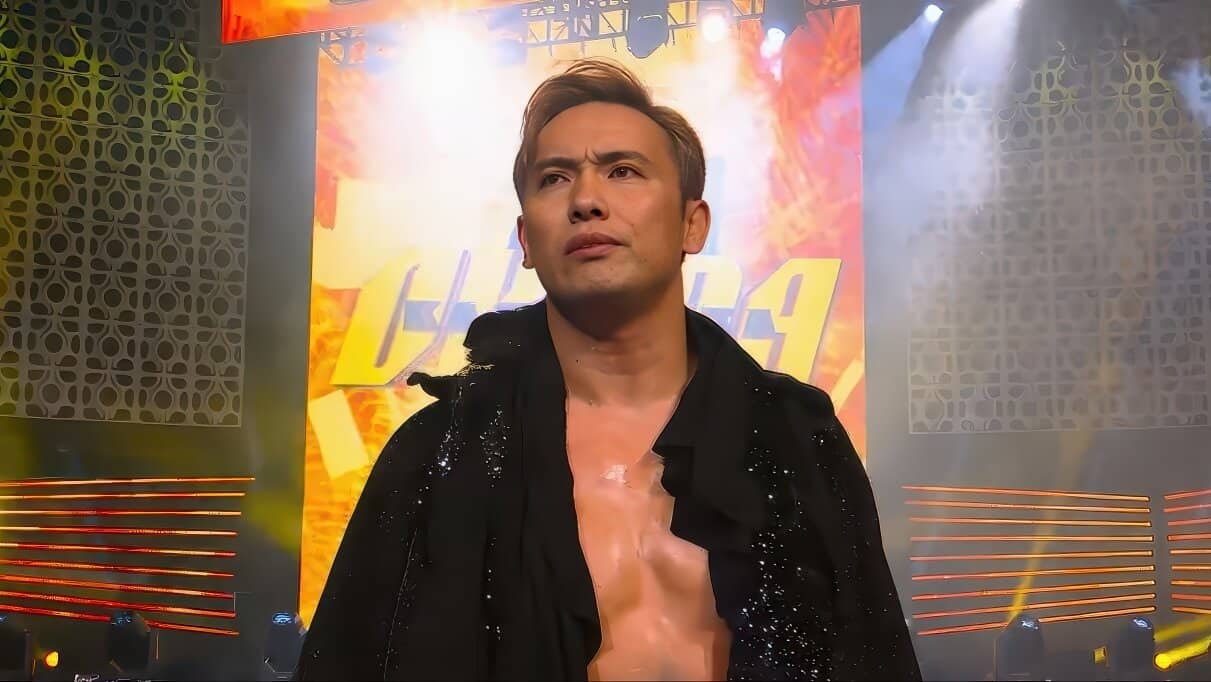
As reported by WrestleTalk, Knight is bypassing the midcard completely. He has openly targeted Kazuchika Okada and the AEW International Championship.
Let that sink in for a moment. A young, high-flying tag specialist is calling out the greatest IWGP Heavyweight Champion of the modern era. On paper, it sounds foolish. It sounds like a rookie getting far ahead of his own skis.
But dig into the tape. Watch the mechanics of how both men operate between the ropes. This isn't just a loudmouth looking for a payday. There is a distinct tactical thread here that makes this matchup incredibly compelling for anyone paying attention.
The Anatomy of a Dropkick
If you watch Knight closely, his entire offensive system is built around explosive verticality. His standing dropkick isn't just a crowd-pleasing high spot. It is a highly effective space-clearing mechanism.
He uses that leap to completely reset the tempo of a match. When larger, mat-based opponents try to impose ground control, Knight creates massive separation in a fraction of a second. He doesn't need a running start. He just elevates.
Okada, conversely, is the unquestioned master of the slow burn. The Rainmaker dictates pace better than anyone else in the industry. He lulls you into his rhythm, forces you to wrestle his match, and then snaps the trap shut.
Okada relies heavily on wrist control and lateral movement to set up his finishing sequence. Knight's ability to explode upward off a dead stop directly counters Okada's preferred horizontal spacing. If you cannot keep Knight grounded, you cannot apply the Rainmaker wrist-lock.
Think about Okada's historic series of matches against Will Ospreay. Ospreay gave Okada fits for years simply because he refused to stay on the mat. Knight operates in a similar, albeit raw and less polished, airspace.
The International Booking Problem
We need to be brutally honest about the AEW International Championship, though. Since Okada won the belt, the title has felt oddly disconnected from the rest of the working roster.
It frequently feels like a shiny prop for The Elite's backstage segments rather than a workhorse championship. The defenses are sparse. When they do happen, the challengers often feel like throwaway filler rather than legitimate threats.
This is a glaring flaw in AEW's recent booking strategy. You cannot have a secondary title held hostage by a top-tier star who refuses to work regular, competitive television matches. The belt loses its heat.
Knight calling out Okada highlights this exact structural problem. Why did a reigning Trios Champion have to publicly demand a shot through the media? Why isn't there a clear pipeline of contenders knocking down Okada's door every Wednesday night?
The formal ranking system is long gone, and we are left with this chaotic call-out culture. It works brilliantly when it hits, but it violently exposes the lack of a structured undercard when a champion goes weeks without a meaningful program.
Why Knight Fits the Profile
Despite the messy booking mechanics, Knight is the right opponent at the absolute right time. He has undeniable momentum. He has the crowd behind him.
Beating anyone from the Don Callis Family is no small feat. That stable is explicitly designed to protect its members and physically grind down opponents. They use numbers, underhanded tactics, and brute force.
Knight survived that meat grinder. He showed a level of physical resilience that goes well beyond his highlight-reel athleticism. He took heavy, concussive strikes and simply kept moving forward.
We saw him endure suplexes that would have folded lesser men in half. The Callis Family does not play for the cameras; they hit hard and they hit through the target. Surviving that onslaught proved Knight has a chin to match his aerial offense. That durability is the exact trait required to survive Okada's grueling offensive stretch.
Okada thrives against resilient, fiery babyfaces. He genuinely loves to dismantle hope. He will chop Knight into the corner, mock his speed, smile arrogantly at the crowd, and dare the younger man to try a springboard attack.
This dynamic is wrestling 101, but it works because both men execute their roles to perfection. Okada is the sneering corporate elite; Knight is the hungry athlete trying to jump the line.
The Tactical Breakdown
If this match happens, watch the opening three minutes. Okada will try to establish a traditional collar-and-elbow tie-up. He wants to force Knight into the ropes and deliver a clean break, followed immediately by a cheap shot.
Knight has to avoid that initial lock-up. He needs to use his footwork to circle the ring, forcing Okada to lunge. If Okada lunges, he leaves his base vulnerable to quick arm-drags or a sudden dropkick to the knee.
The real danger for Knight is the middle portion of the match. Okada is famous for his neckbreaker over the knee. Once he hits that move, the pacing slows to a crawl. Okada will apply a reverse chin-lock and simply drain the stamina from his opponent.
Knight cannot afford to spend more than thirty seconds in a rest hold. He has to fight out immediately, even if it means taking a brutal forearm smash to the jaw. Staying on the mat against Kazuchika Okada is a death sentence.
Then there is the dropkick battle. Okada's missile dropkick is legendary. It is a thing of absolute beauty. But right now, today, Kevin Knight might actually have the better vertical leap.
Imagine that sequence late in the match. Okada goes for his signature dropkick, launching his massive frame into the air. But Knight has already anticipated it and elevates simultaneously. A mid-air collision of the two best dropkicks in the business. That spot alone is worth the pay-per-view price.
The Dynasty Equation
AEW Dynasty hits the midwest this Sunday. The card is already bloated with massive multi-man matches and heavily hyped singles bouts. Adding an International Title match feels like squeezing a water balloon until it pops.
But if Tony Khan puts Okada and Knight in the ring for exactly 14 minutes, they will completely steal the show. You do not need a thirty-minute psychological epic here. The story does not require it.
You need a high-octane sprint. You need Knight attacking from the opening bell, using his ridiculous leaping ability to genuinely rattle the arrogant veteran. You need Okada surviving the initial onslaught and slowly, methodically asserting his physical dominance.
Will they book it for Dynasty? With only four days left on the calendar, it might be pushed to a special television episode instead. But the seed is officially planted in the minds of the fans.
Knight has shot his shot. He used the legitimate momentum of a major stable victory to put a massive target on the biggest, most dangerous dog in the yard. He is forcing management to look his way.
My prediction is simple. Okada accepts the challenge, dripping with arrogance. He fully expects a quick, painless squash match against a tag team guy. Instead, he gets an absolute war.
Knight will hit a spectacular flurry in the closing stretch. He will likely hit a top-rope frankensteiner that will convince the entire building we are getting a shock title change and a three-count. The near-fall will be incredible.
But Okada is inevitable in these situations. A brutal, short-arm lariat will stop Knight dead in his tracks. The wrist control will be established. The Rainmaker will follow. Okada retains his championship.
However, Kevin Knight will leave that ring as a made man. Sometimes, calling out the biggest bully in the locker room isn't actually about winning the gold. It is about proving, beyond a shadow of a doubt, that you belong in the exact same ring.
Read Next
- AEW Dynasty is the reset Tony Khan desperately needs
- AEW Dynasty's main event is a massive tactical risk for Tony Khan
- AEW's Dynasty go-home show proves Tony Khan has a massive video package problem
- AEW's Dynasty go-home show proved Tony Khan has a massive video package problem
- ⚡ AEW Dynasty 2026 — Full Coverage Hub