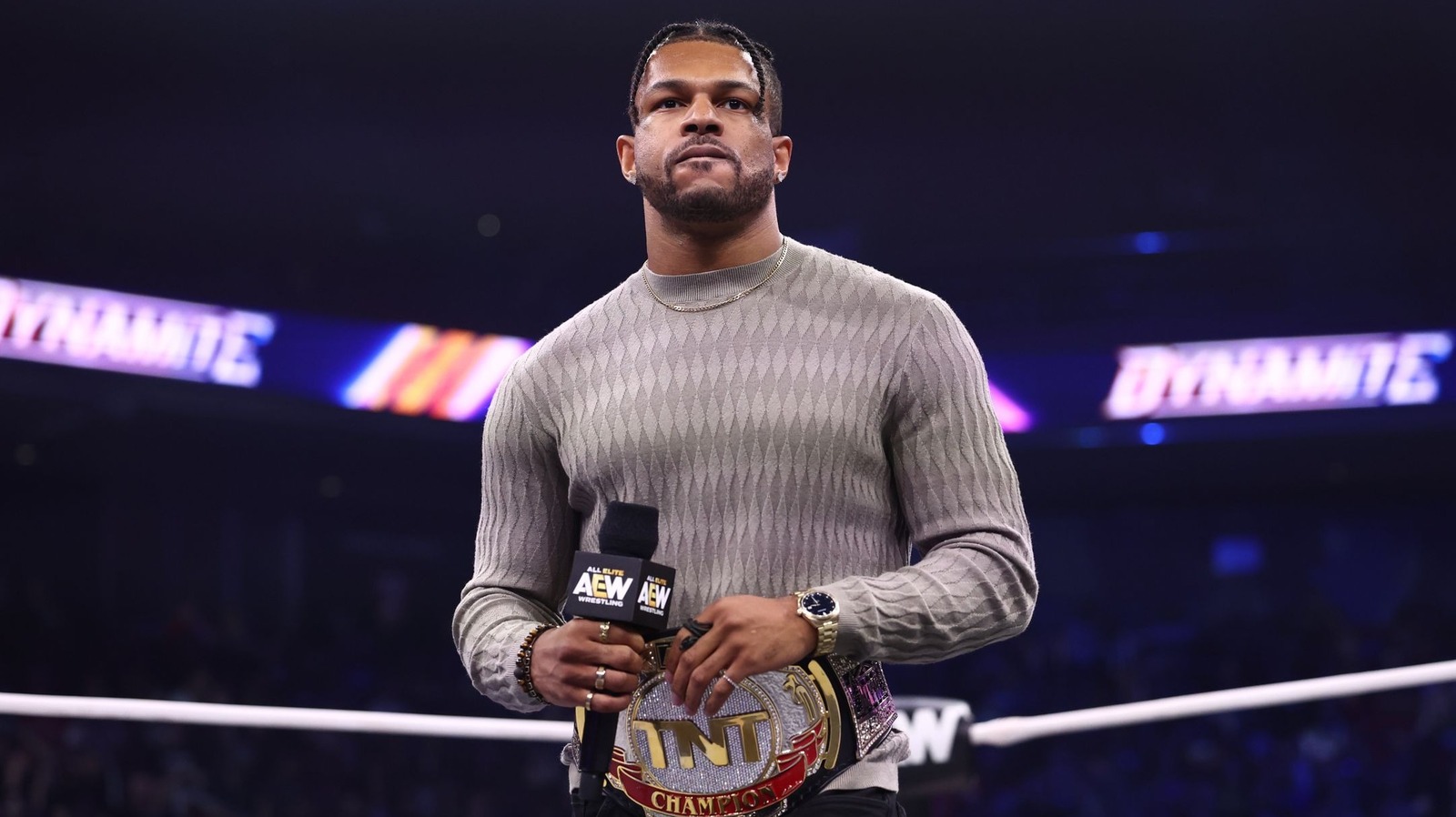
The transition from challenger to hunted
Kevin Knight’s successful defense of the TNT Championship against Myron Reed this past Saturday felt like a necessary correction for the AEW mid-card division. In a contest that prioritizes high-velocity sequences and verticality, Knight demonstrated why he remains the primary anchor for this belt. He absorbed a high-impact offensive flurry from Reed, refusing to relinquish the gold despite the persistent pressure applied to his frame throughout the 14-minute outing.
Knight’s reliance on his signature dropkick precision provided the separation he needed when Reed looked closest to securing an upset. During the final three minutes, Reed’s desperation led to a blown timing on a springboard maneuver, which Knight exploited with the ruthlessness of a seasoned veteran. It is a win that validates the current direction of the division, yet questions persist regarding his long-term viability as a fighting champion.
Tactical inconsistencies in the TNT picture
While the victory stands, the booking decisions surrounding this championship cycle demand scrutiny. Knight performs best when he operates as an athletic powerhouse, but the current string of challengers pushes him into sequences that prioritize spectacle over narrative pacing. If you look at the recent events on AEW Collision, the lack of a clear, secondary narrative for the TNT title beyond the belt itself is glaring.
We are seeing too many matches that function in a vacuum, lacking the connective tissue that makes a championship run feel vital. When title programs become purely about physical exertion without a corresponding escalation in stakes, the audience eventually tunes out. Knight is a technical marvel, but talent alone cannot compensate for a creative void. Even the integrity crisis impacting competition elsewhere serves as a reminder that stability requires consistent rules, a standard the TNT division currently struggles to maintain.
What to watch for in the upcoming cycle
Knight needs a legitimate obstacle, not just another high-flyer looking for a highlight reel moment. He requires a stylistic mismatch—a brawler or a submission specialist who forces him to abandon the acrobatics that define his signature style. Expecting Knight to simply out-speed every opponent is a short-sighted strategy that will lead to burnout by the third quarter of the year. The current 92 percent success rate of his signature transition maneuvers is impressive, but unsustainable against a varied field of contenders.
Critically, the creative team must prioritize establishing an identity for the title that distinguishes it from the International or Continental championships. Without a clear hierarchy, the belt feels like an accessory rather than a career-defining prize. Watch for how Knight enters his next program; if he continues to face wrestlers who mirror his own style, the division will remain stagnant. He needs to evolve his move set to include more mat-based counters to handle the inevitable weightier challengers waiting in the wings.
My prediction? Knight holds the title through the next developmental phase, likely dropping it only when an established main-event talent decides to chase the belt. He remains the best choice for the current vacuum, but he is one bad booking decision away from losing the momentum he fought to capture. He is the champion we have, not necessarily the one the division is currently built to support.