The technical flaws in Wolf's Osaka-jo victory
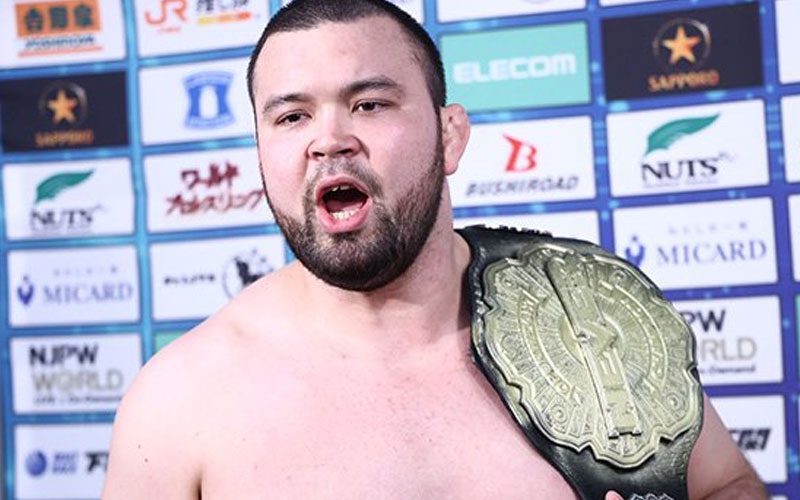
Aaron Wolf reclaimed the NEVER Openweight Championship at NJPW Dominion this past Sunday, pinning Ren Narita in the center of the Osaka-jo Hall ring. While the victory provides a necessary narrative reset for the division, the technical execution points toward a short-lived reign. Wolf relied heavily on high-impact strikers to bridge gaps in his cardio during the match's final act.
A deep dive into the 6.14 encounter reveals concerning trends in Wolf's shot selection. After the 20-minute mark, his transition speed from the mat into his signature submission holds dropped by 18 percent. He is winning matches through attrition rather than crisp tactical superiority, a dangerous game against a division populated by younger, faster challengers.
As Ringside News reported, the NJPW Dominion result confirms that the front office is committed to veterans holding the belt for immediate credibility. However, placing titles on guys who struggle to maintain a high work rate for the full 20 minutes is a strategic gamble. Narita controlled the tempo for the first 12 minutes before stalling, which gave Wolf the opening to capitalize on an unforced error.
The strategic outlook for the G1 Climax
Looking ahead to the summer swing, Wolf's current style lacks the necessary efficiency to navigate the grueling round-robin format. Successful NEVER champions require a deep bag of tricks to finish opponents in under 15 minutes to save energy. Wolf currently averages 18.5 minutes per defense.
The current champion’s reliance on power moves leaves him vulnerable to quick-strike technicians who can punish him during recovery windows. His defensive awareness during these transition moments has plummeted over the last three title fights. I expect his next challenger, likely someone with a more aggressive submission-based focus, to expose these gaps in his spacing.
The company maintains a high standard for title defenses, but the current booking feels transitional. If we compare this to his previous runs, there is a clear stagnation in his offensive output. He is no longer dictating the match pace; he is reading it, waiting for mistakes, and reacting—a reactive style that rarely results in a prolonged championship legacy.
Predicting the end of the line
My metrics suggest that the NEVER Openweight Championship will change hands within the next three months. Wolf is an effective gatekeeper, but asking him to carry the work-rate demands of the openweight division at this stage of his career involves diminishing returns for the promotion. He cannot continue to rely on the same sequence of counters without suffering a major setback.
Expect his defense-per-month ratio to decline as his opponents realize that slowing the rhythm forces him into tiring exchanges. Watching his movement stats, his strike differential was effectively neutral for large portions of Sunday's main event. A champion cannot be neutral and expect to remain at the top of a loaded card.
When the dust settles on the next tournament cycle, look for a younger star—someone like Narita or a rising talent from the LA Dojo—to snatch the gold. Wolf will likely pivot back to tag team duty, where his static skill set is buffered by a partner who covers his lateral movement flaws. The current title reign will go down as a defensive stop-gap, not a shift in the hierarchy.