The Kenny Omega injury reality
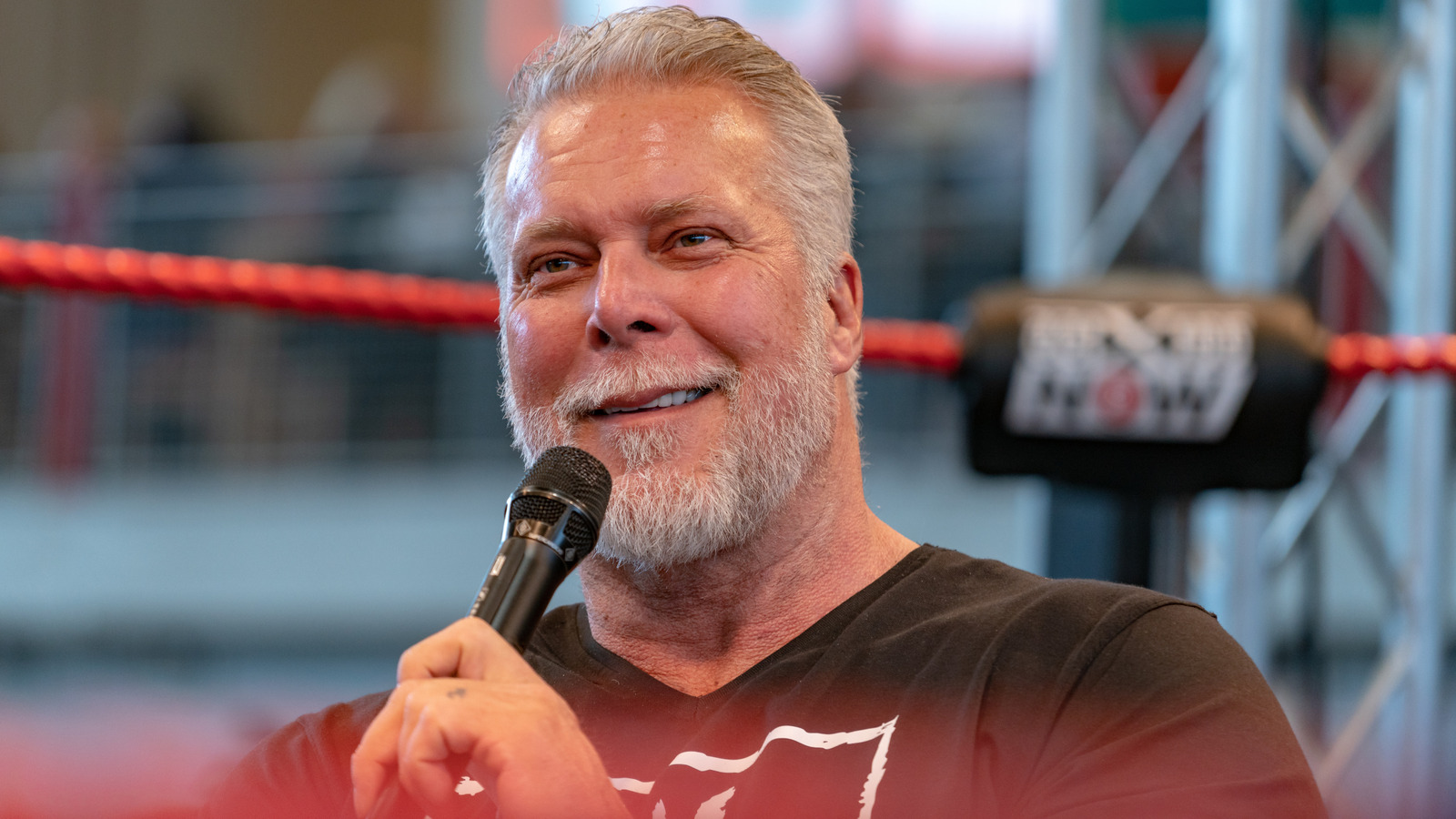
Kenny Omega is currently sidelined with diverticulitis, a condition that has stripped AEW of its most reliable television engine. First diagnosed in late 2023, the medical issue forced an immediate cessation of his in-ring activity. The promotion has struggled to fill the vacancy left by his absence in the top-tier title picture.
Reports indicate the recovery path remains inconsistent. While initial timelines suggested a potential return in early 2026, the complexity of abdominal health in professional athletes has pushed that date back repeatedly. Omega’s reliance on high-impact work—specifically the V-Trigger and One-Winged Angel—makes any premature return a high-risk proposition for chronic recurrence.
The strategic vacuum in AEW
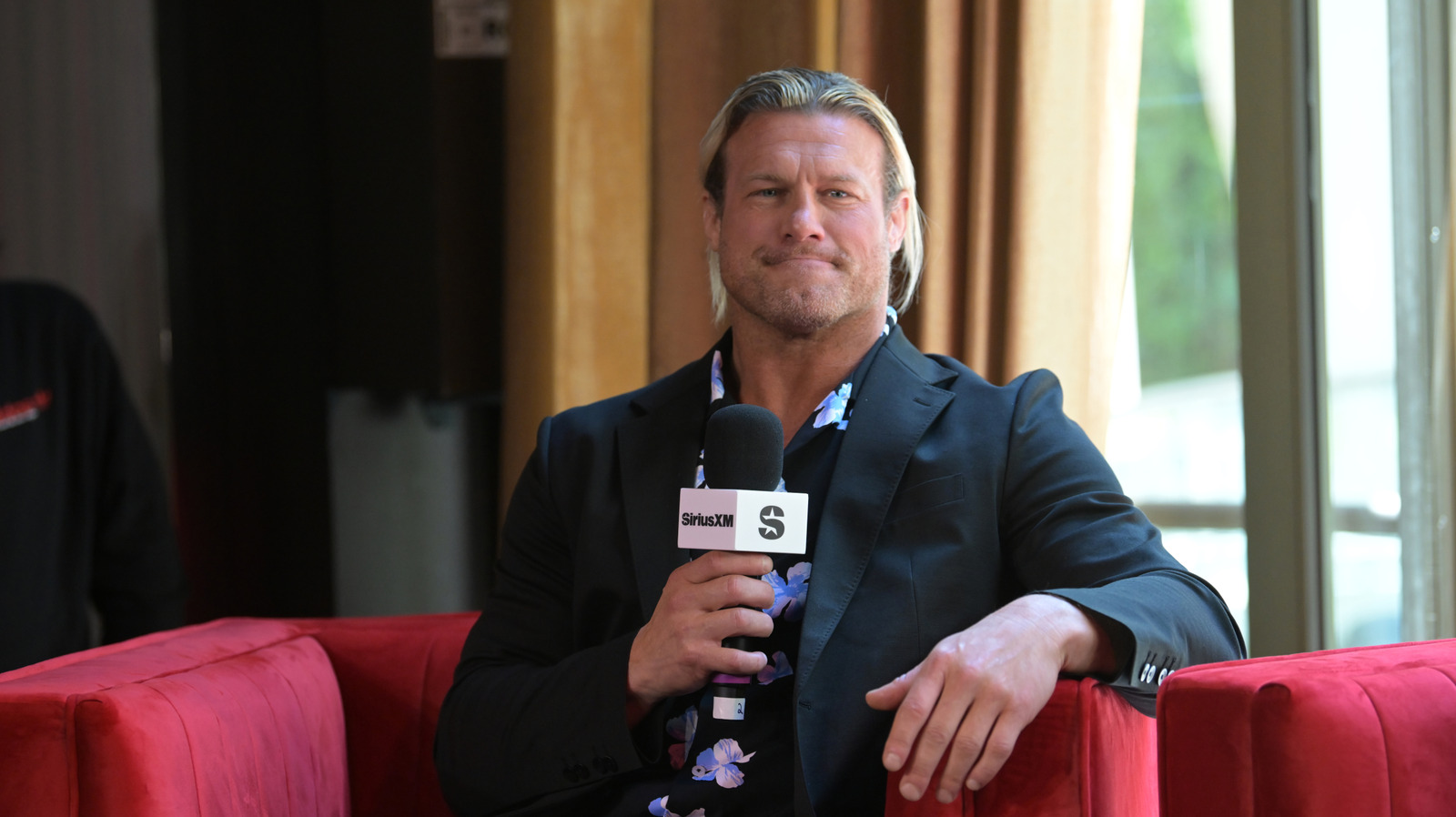
The company is currently leaning on short-term booking to bridge the gap. Nic Nemeth recently noted on Busted Open Radio that he prefers a non-finish for upcoming world title matches, a stance that highlights the creative desperation facing the promotion without its primary star. When the biggest draw in the last 5 years of the roster is out, the bookers are forced to protect secondary challengers with cheap finishes rather than building new top-tier momentum.
This reliance on non-finishes is a red flag for television ratings. Fans have seen this cycle before, notably during the injury-plagued eras of the mid-2000s in other major promotions. When the world champion cannot commit to a clean finish because the main event scene is being held together with athletic tape, the product quality drops. It forces a narrative pivot that feels unearned.
Historical precedents and medical risk
Diverticulitis is not a standard sports injury like a torn ACL or a fractured rib. Unlike a structural tear where surgeons can give a specific percentage for return to strength, this condition involves internal systemic health. Similar cases in combat sports often lead to career-shortening attrition. If Omega attempts to return to the 20-minute, high-velocity spots that defined his trilogy with Will Ospreay, the physical toll could initiate a permanent downgrade in his work rate.
As Wrestling Inc reported, the conversation surrounding his absence has shifted from 'when will he be back' to 'how can the show survive without him.' The booking team is currently shielding the title picture from collapse by avoiding decisive outcomes. This is a tactical failure. By refusing to commit to new, healthy stars, the company is effectively stalling for time while waiting for a medical clearance that may never fully restore Omega to his pre-2023 form.
Operational impact
The absence of such a high-caliber performer ripples through the entire card. Mid-card matches lose their gravity because the top of the mountain feels temporary. Competitors like MJF or Kazuchika Okada are forced to shoulder the load with less clear direction than Omega provides in his role as a foundational anchor. The current strategy of non-finishes is a stop-gap that will inevitably alienate viewers looking for closure.
Management must decide whether to continue this holding pattern or move the belt to a full-time talent permanently. Stalling out for a name-brand star is a common error in wrestling history. If the medical staff clears him, he needs to be immediately paired with someone capable of carrying the physicality, or the structural integrity of the main event scene will fall apart before the end of the year. The current 0.00% chance of a clean, sustained feud at the apex of the card is a clear indicator that the injury is no longer just a roster note, but a corporate crisis.
Ultimately, the promotion is gambling on the hope that Omega returns to his peak form instantly. That rarely happens in contact sports. Expect more interference-heavy finishes or time-limit draws in the coming months. It is the only way to avoid devaluing the title while their biggest asset remains on the sidelines.