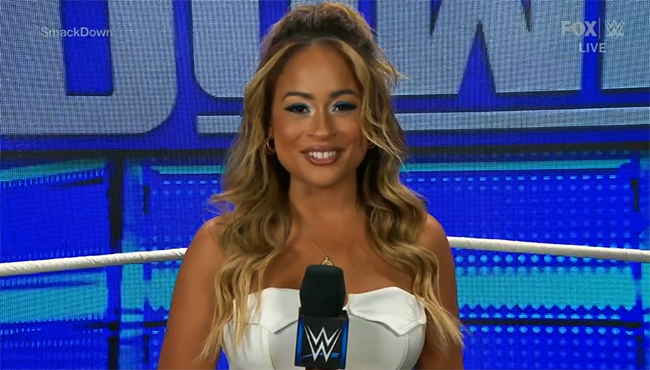
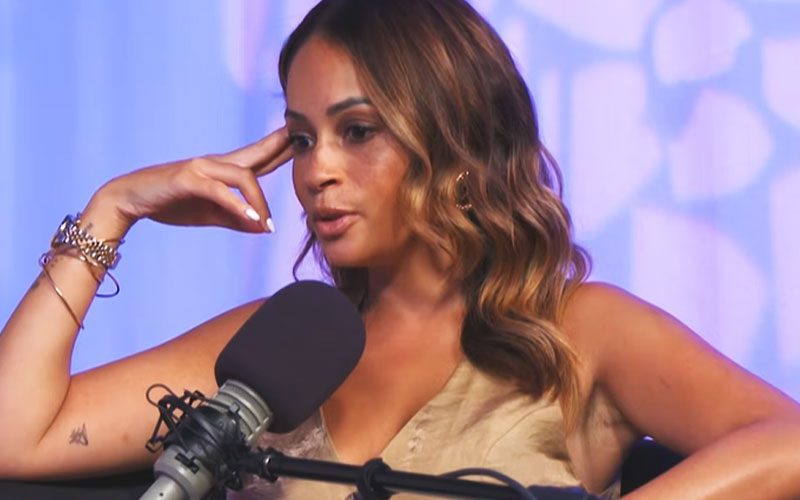
Kayla Braxton’s exit reveals WWE’s rigid broadcast machinery

The constraints of the microphone
The departure of a long-standing interviewer like Kayla Braxton often invites pure speculation about the next contract. Wrestling media circles immediately pivoted to an impending AEW jump. That narrative failed to account for the specific reality of her tenure.
Braxton recently clarified that AEW was never an option. Her career exit wasn't a play for a bidding war. It was a choice to stop living within the suffocating constraints of a pre-scripted, high-pressure television environment.
The physical demands placed on talent in these roles are often ignored. Braxton shared that she was once instructed to avoid smirking, blinking, or even breathing in ways deemed distracting during live interview segments. These aren't just director notes; they are attempts to curate a sterile, robotic output that runs contrary to human interaction.
The safety gap in fan interactions
Beyond the technical nitpicking of her facial expressions, there is a serious issue regarding talent security during fan interactions. Braxton spent years calling out the behavior of overbearing fans who loitered around hotel lobbies and arenas. She brought the issue to the public floor, highlighting a persistent vulnerability for traveling performers.
The danger is not theoretical. As recent reports indicate, speaking out about these boundary-crossings often invites retaliation. The harrowing story of a fan waving a firearm outside a hotel room suggests that WWE’s protection protocols are lagging behind the actual threat level faced by those who represent the brand on camera.
This is where the polished production of modern wrestling reveals its hypocrisy. The company demands absolute robotic perfection during a segment, yet struggles to guarantee basic safety for the human being holding the microphone at 2:00 AM in a lobby. It is a misalignment of priorities that forces talent to weigh their passion for the craft against the reality of extreme fan entitlement.
The open door isn't a strategy
Triple H has allegedly kept the door open for a potential return. While this makes for a nice headline, it highlights a common booking cycle in the modern era. Management operates on the premise that everyone eventually returns to the fold because the industry is too small for a permanent exit.
Is a return actually beneficial here? After being told how to breathe during a broadcast, there is little incentive to return to that level of micro-management. Braxton left at a time when her name held value and her reputation was intact. As Ringside News noted, the exit was decisive. The corporate desire to leave a door open does not negate her reasons for walking out.
The real story here is the exhaustion of the talent pool under rigid corporate mandates. When an interviewer is effectively treated as a human teleprompter, the personality that helped build the brand is erased. Even if Triple H offers a return, the underlying conditions remain unchanged. Wrestling journalists often focus on the 'will they or won't they' of talent moves. They should be focusing on whether the environment is actually worth the return trip.
Ultimately, Braxton’s departure serves as proof that the rigid nature of broadcast production is hitting a breaking point. Talent is speaking up about both administrative stifling and physical safety. The industry is currently ignoring the signal, preferring to focus on the noise of contract status updates and return rumors. If they continue down this path, the talented individuals who keep these shows running will keep finding the exit signs.
WWE Championship: The Greatest Title in Sports Entertainment
The ultimate coffee table book for any wrestling historian.
Frequently Asked Questions
Why did Kayla Braxton leave WWE?
What specific broadcast restrictions did Kayla Braxton face?
What security concerns led to Braxton's departure?
Is Kayla Braxton joining AEW?
How has WWE management responded to Braxton's exit?
More Coverage
Dark Side of the Ring tackling TNA is already a powder keg
18 minutes ago
SummerSlam main event picture is lacking clarity
19 minutes ago
Top 10: The Former Stars Shaping the 2026 Narrative
19 minutes ago
Why a Cody Rhodes - Dustin Rhodes reunion in WWE is off the table
19 minutes ago
Conor McGregor is right to be annoyed by the Roman Reigns crossover
34 minutes ago
Titus O'Neil's recent industry conduct sets up an uncomfortable reality
an hour agoMore Analysis
Kayla Braxton’s departure exposes WWE's extreme broadcast micromanagement
16 hours ago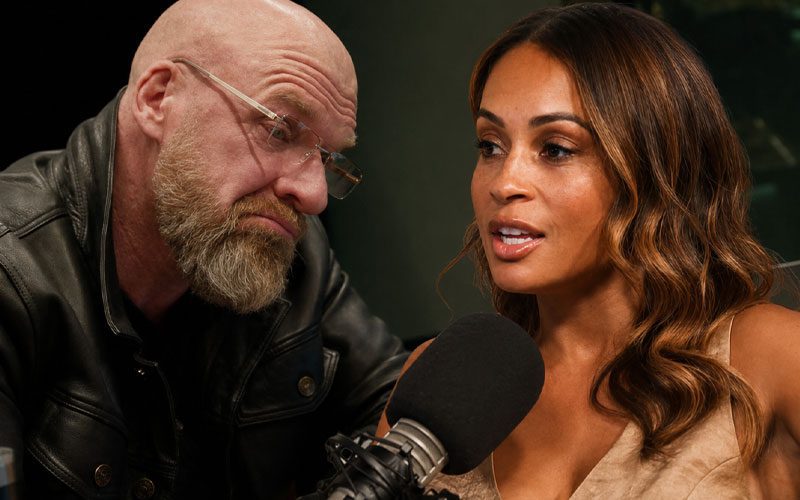
Kayla Braxton's departure creates a silent vacuum in WWE's broadcast team
16 hours ago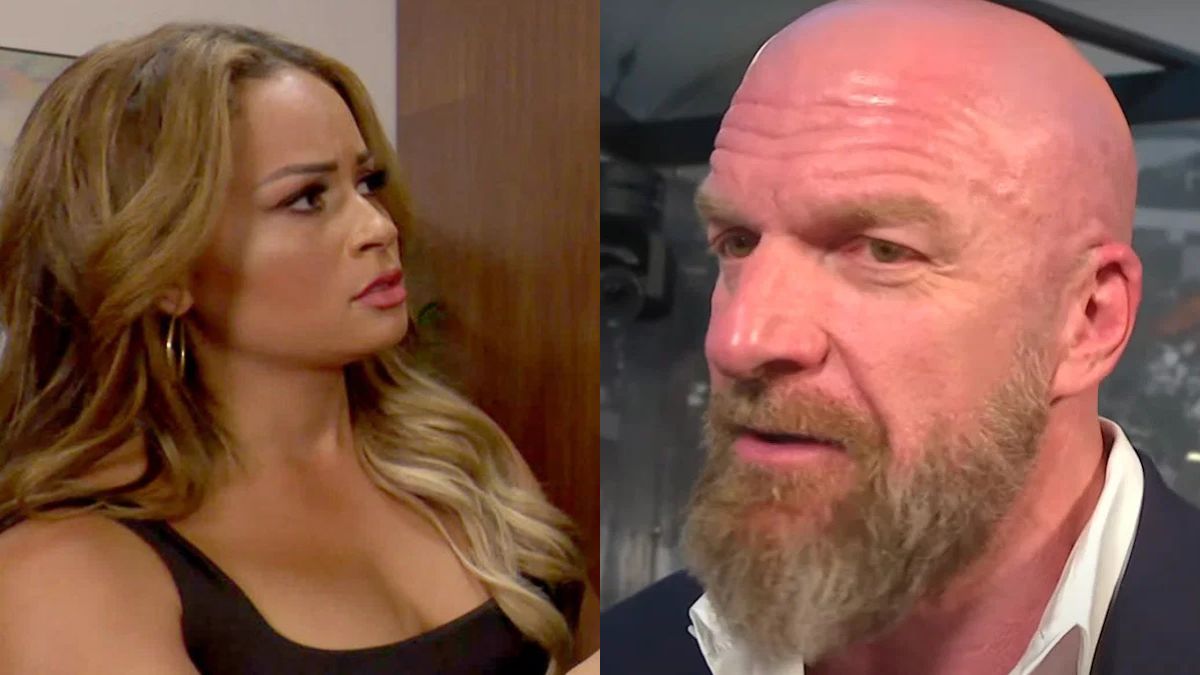
Kayla Braxton’s WWE exit looks more like a gap year than a retirement
3 hours ago
Pat McAfee’s exit signals a necessary pivot for WWE broadcasting
1 month, 3 weeks ago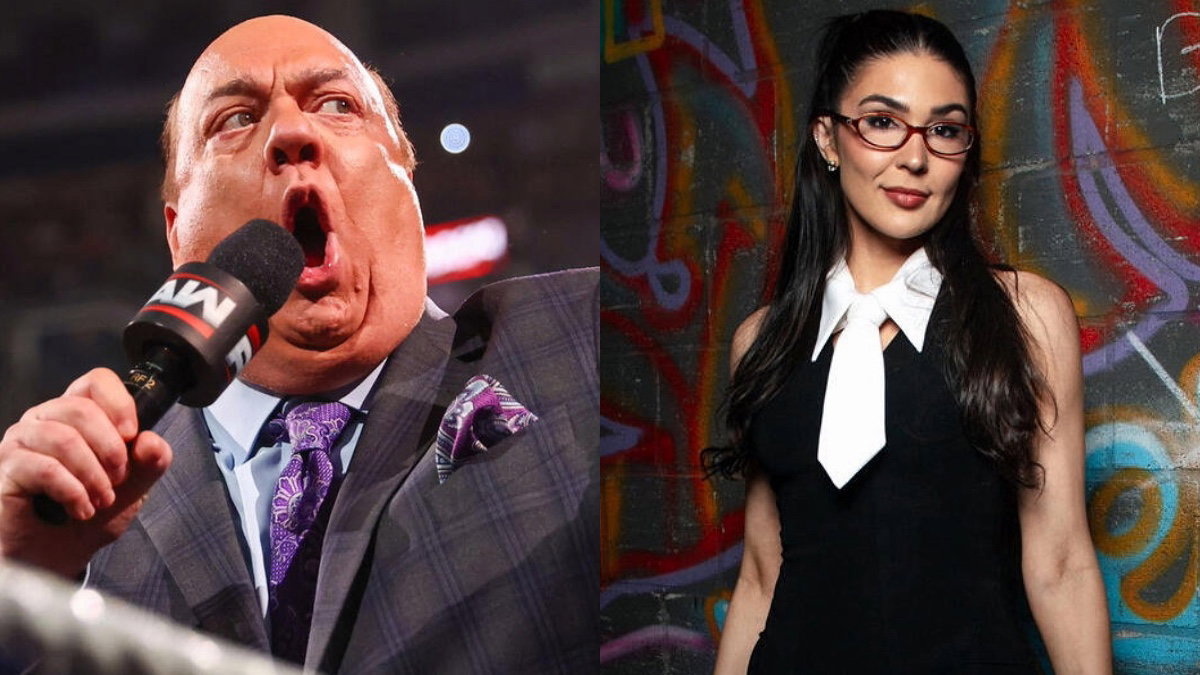
Cathy Kelley and the cost of the WWE glow-up
1 week, 1 day ago