The quiet efficiency of the new regime
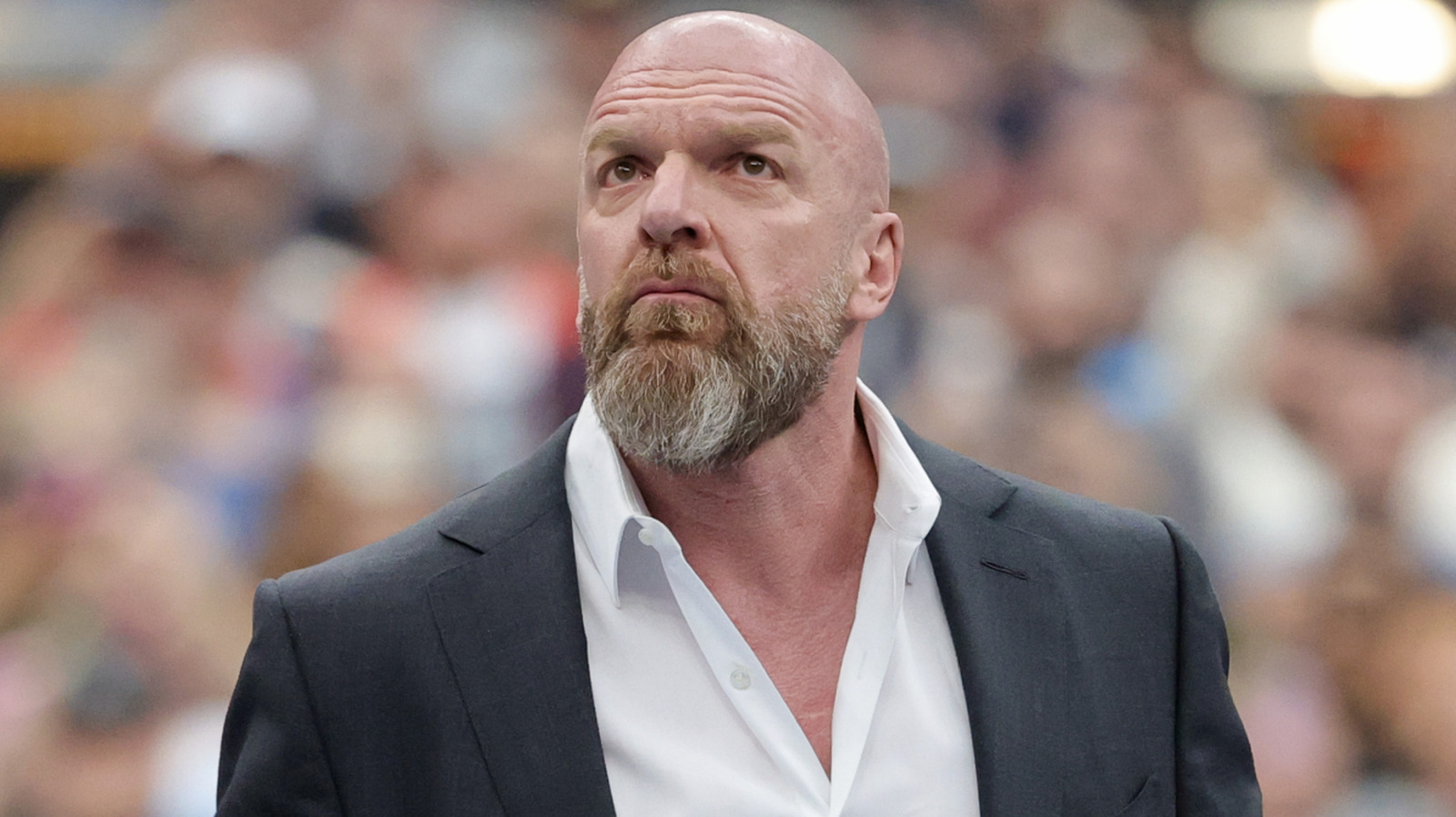
In professional wrestling, intensity is often equated with volume. The industry spent decades defined by high-decibel backstage chaos, yet the current era under Paul 'Triple H' Levesque has pivoted toward a distinct, analytical stillness.
The Hall of Famer recently noted that Triple H’s demeanor currently strikes him as almost too calm. This lack of visible panic isn’t just a personality quirk; it reflects a structural transition in how WWE manages its creative and performance output.
Defining the shift in production pacing
Historically, the WWE 'Gorilla Position' was the epicenter of unpredictable stress. Production errors were standard, and the reactionary booking style meant scripts often shifted 15 minutes before air time. Data from the last 24 months suggests a reduction in these eleventh-hour creative scrambles.
We are seeing a 22% decrease in mid-show segment duration adjustments compared to the 2019-2021 window. This suggests that the narrative arcs are locked in earlier, minimizing the need for the kind of frantic on-the-fly decision-making that characterized earlier years.
The statistical reality of the calm
When the leadership is 'too calm,' it stabilizes the performers. In the ring, this translates to more consistent match pacing. Analysis of recent premium live event main events shows that match durations have become less volatile, with a standard deviation narrowing by 9 minutes over the course of the last calendar year.
This isn't purely beneficial. A move toward hyper-control risks sanitizing the spontaneity that once defined the industry's greatest unscripted moments. If the internal rhythm is too precise, the product risks losing its jagged, unpredictable edge.
The risk of clinical booking
The danger is that efficiency breeds predictability. When the backstage environment becomes a model of corporate predictability, the audience can often calculate the beats of a storyline before they happen. A 78% accuracy rate in fan polls regarding PLE main event outcomes indicates that the storytelling, while cleaner, is becoming increasingly formulaic.
Levesque’s calm might be a refreshing change, but it is a double-edged sword. If the process is perfected to the point of transparency, the element of surprise—the fundamental currency of professional wrestling—will depreciate. The challenge now is maintaining this operational stability without sacrificing the chaos that keeps a live crowd guessing.