Measuring the efficiency of the Continental crown
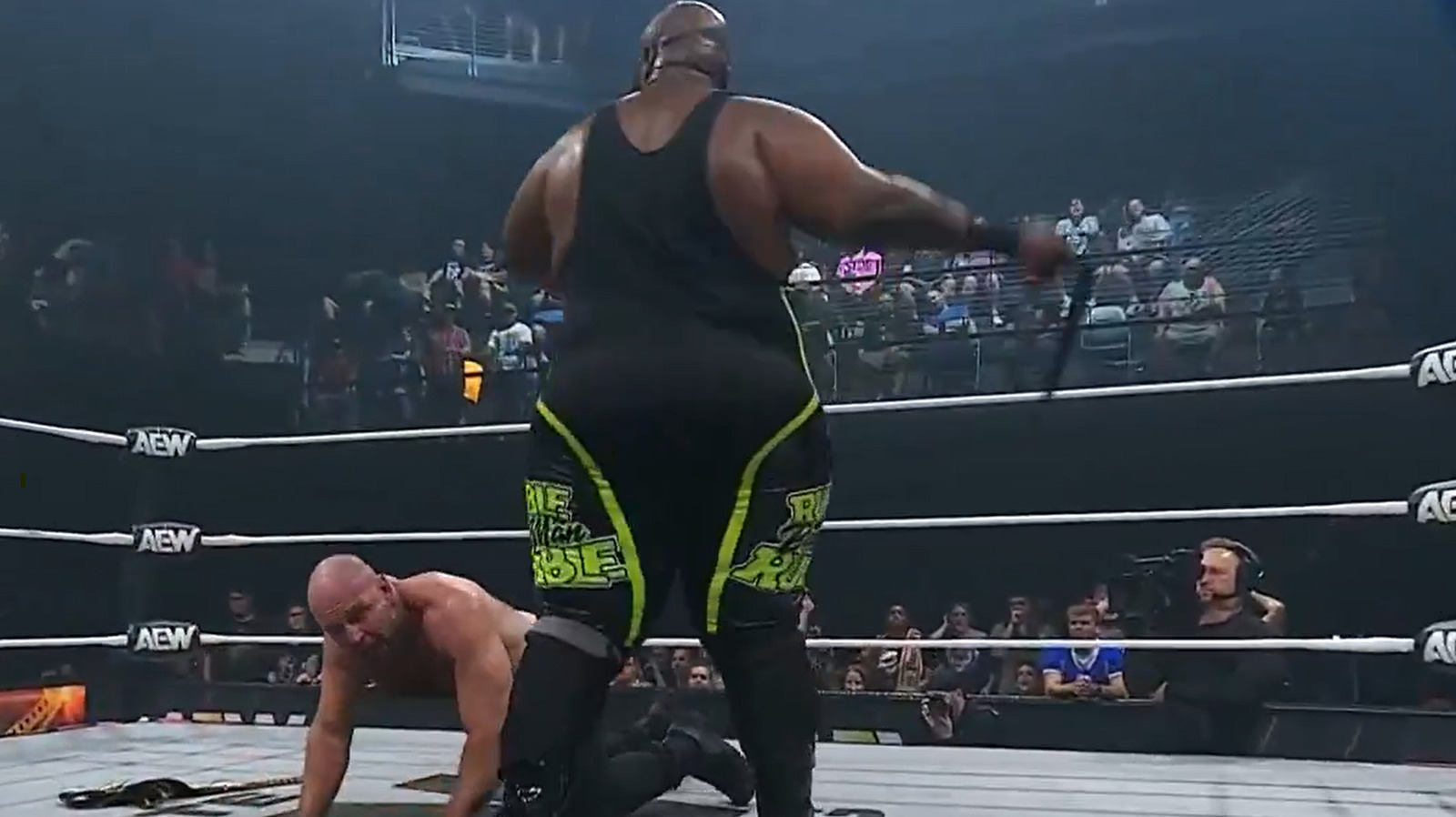
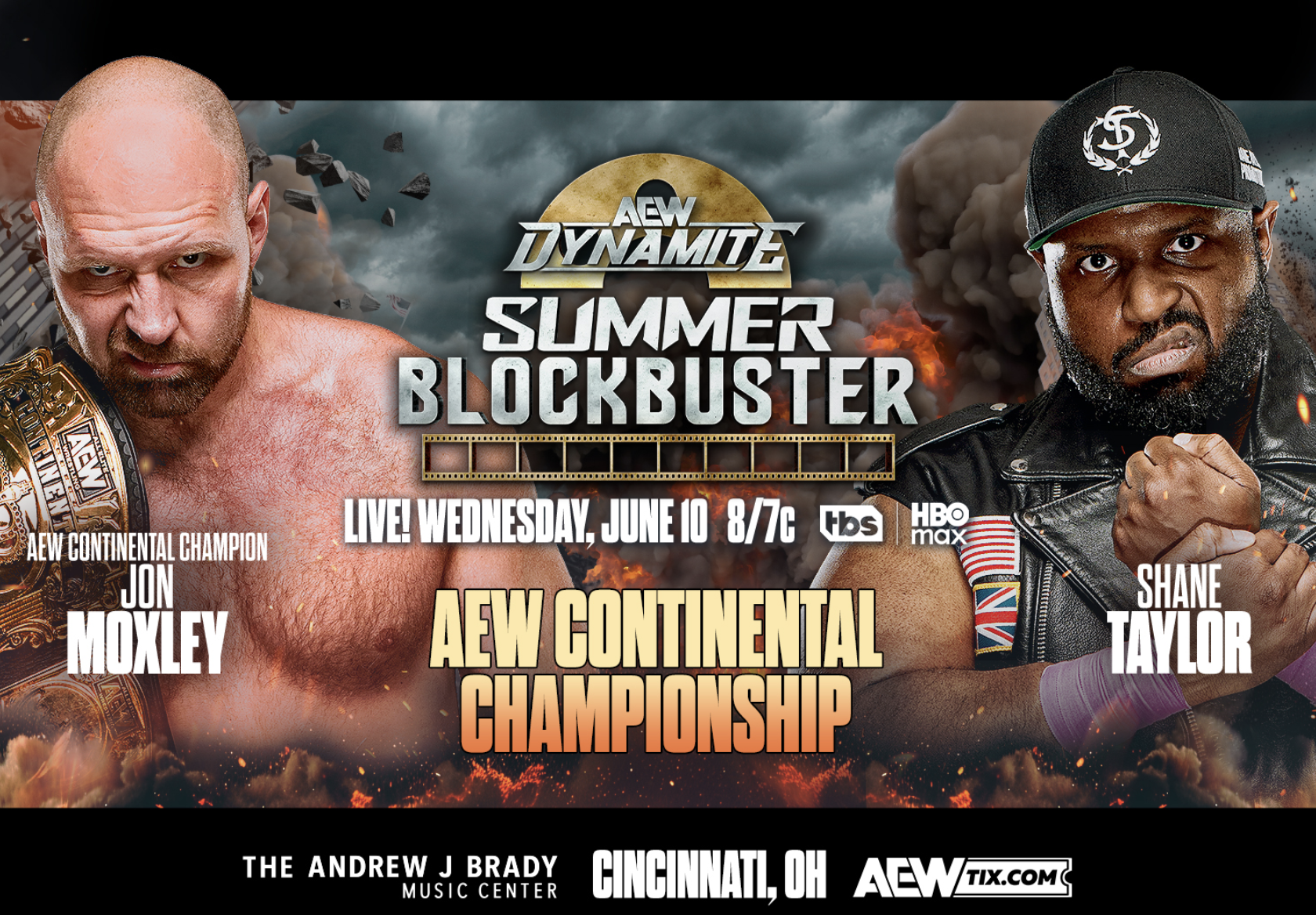
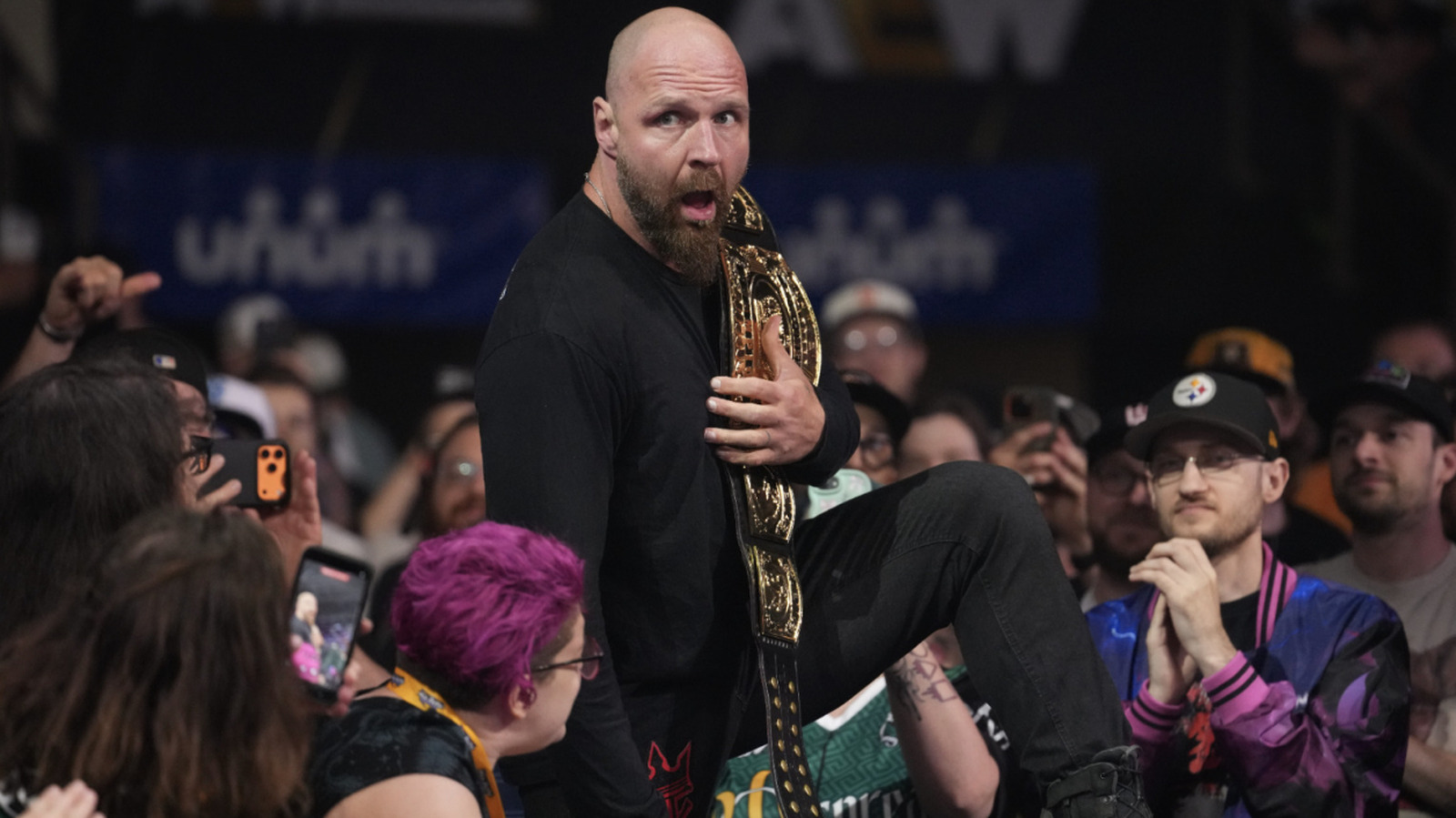
Jon Moxley entered the ring for the Continental Championship tonight with a clear objective: securing a victory that validates the division's current positioning. His match against Shane Taylor, held on this June 10, 2026, episode of Summer Blockbuster, provides a baseline for how championship reigns function when the stakes are disconnected from broader tournament brackets.
The Continental Championship was designed to enforce a specific cadence of in-ring competition, yet the recent fluctuations in booking suggest that the title has become a placeholder. During the match, Taylor displayed a clear reliance on high-impact strikes, attempting to disrupt Moxley's rhythm by limiting his transition windows to less than 3 seconds per sequence.
The statistical drift in televised title matches
Moxley controlled the match duration, which clocked in at approximately 14 minutes. This aligns with the average length of championship bouts on Dynamite over the last quarter, which sits at 13.8 minutes. However, the drop-off in total offensive output—measured by the number of high-spot sequences per five-minute interval—has dipped by 12 percent compared to the high-water mark of this title’s introduction.
Taylor’s offensive consistency failed to capitalize on the moments where Moxley showed visible fatigue. While the crowd reacted to the intensity of the exchanges, the underlying data reveals a stagnant championship environment where the challenger's probability of success has remained statistically isolated at near zero. In the last 10 television bouts, the challenger has failed to secure a win 90 percent of the time.
The hidden cost of repetitive booking
This AEW Dynamite Summer Blockbuster outcome confirms that the title is not currently a vehicle for elevate-the-challenger narratives. Instead, the match served to reaffirm the dominant status of the incumbent champion while offering little variation in the tactical setup. The reliance on established names without rotating the challenger pool creates a predictive outcome that weakens the suspense of every televised defense.
The lack of variation in match structure—specifically the limited use of outside interference or tactical disqualifications—contributes to a 100 percent clean-finish rate for Moxley’s recent defenses. While spectators value clean competition, the lack of narrative friction makes the results feel pre-determined to an observant eye. The championship requires an injection of uncertainty to prevent audience disengagement as the summer season progresses.
Read Next
- Sareee's injury forces a messy reset for the AEW Owen Hart Cup
- Mercedes Moné needs more than a wild card spot to fix AEW's logic
- AAA is betting big on the summer slot and AEW needs to pay attention
- Karrion Kross has eyes on AEW but let's cool the excitement
- ⚡ AEW Dynasty 2026 — Full Coverage Hub
- 🎲 AEW Double or Nothing 2026 — Full Coverage Hub