The 16-time world champion is calling time
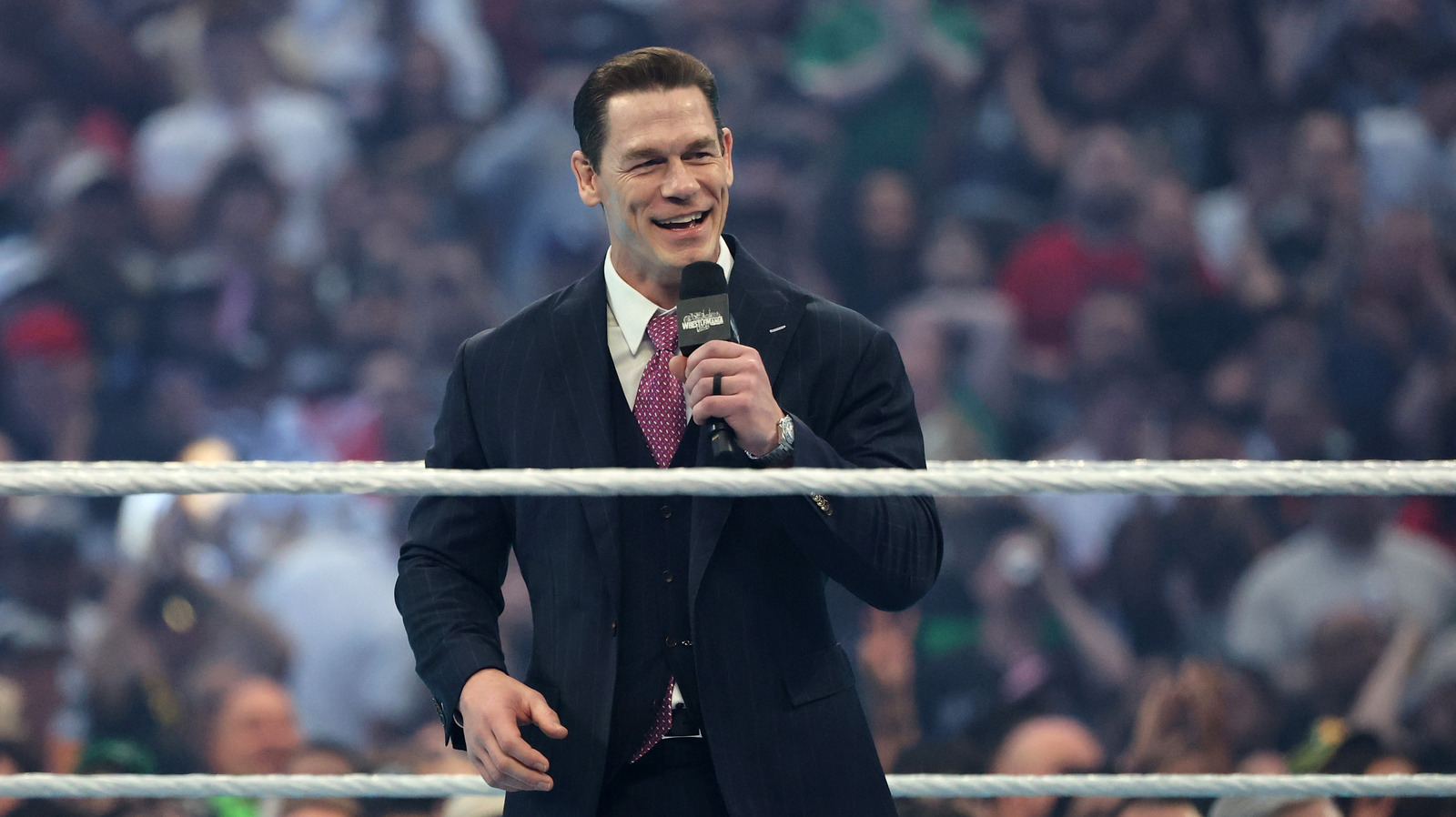
Look, I know we all saw this coming, but that doesn't make the math any easier to swallow. John Cena sat down with Amy Poehler recently and dropped the hammer in the most honest way possible: he loves the squared circle more than the Hollywood stage, but the human body has a shelf life. The man who dragged the WWE through the PG era on his back for over a decade is officially hitting the eject button because the physical toll is simply too damn high.
We grew up watching this guy endure everything from Batista bombs to brutal chair shots. He carried the company like a backpack filled with cinderblocks while working a schedule that would kill a normal human being. Now, at 49 years old, the reality of the business is set in. He told Poehler directly that while his heart remains in the ring, he physically cannot do the job anymore.
The evolution of a legend
Think about the transition here. Cena wasn't just a wrestler; he was the primary engine for the entire industry. As Wrestling Inc reported, the preference for the ring over the set is clear, but the aging process is undefeated. It is a genuine tragedy for those of us who grew up with the spinning title belt, remembering a time where he could work a 60-minute iron man match and still look fresh for a house show the next morning.
The criticism of Cena in his prime was always about the lack of technical variety or the predictable win conditions. Some fans just got sick of hearing the same entrance theme for 15 years. But looking back at his catalog, you miss the consistency. He brought a level of intensity to his promos that we rarely see in the modern scripted era. Losing that specific kind of presence makes the current product feel a little thinner.
The unavoidable reality of the bump card
You have to respect the discipline it takes to realize your expiration date. Most legends stay until they are shadows of themselves, stumbling through matches that should have stayed in the past. Cena is doing the smart thing by acknowledging that the bumps he took for 20 years are finally collecting interest.
Is it disappointing? Absolutely. I wanted to see him squeeze out one more clean sequence of five moves of doom against the new guard. But watching a guy struggle to hit a standard shoulder tackle or moving like he is underwater isn't how you want to remember an icon. He understands that his legacy as a worker is worth more than a desperate, clumsy comeback.
We are watching the end of an era that started when the Ruthless Aggression timeframe kicked off. He is the last true bridge to a style of wrestling that prioritized star power over work-rate obsession. When he finally packs the jorts away for good, keep in mind we lost the last guy who understood how to talk an entire arena into a frenzy without needing a high-flying spot sequence to do it.