Measuring the efficiency of a 20-year run
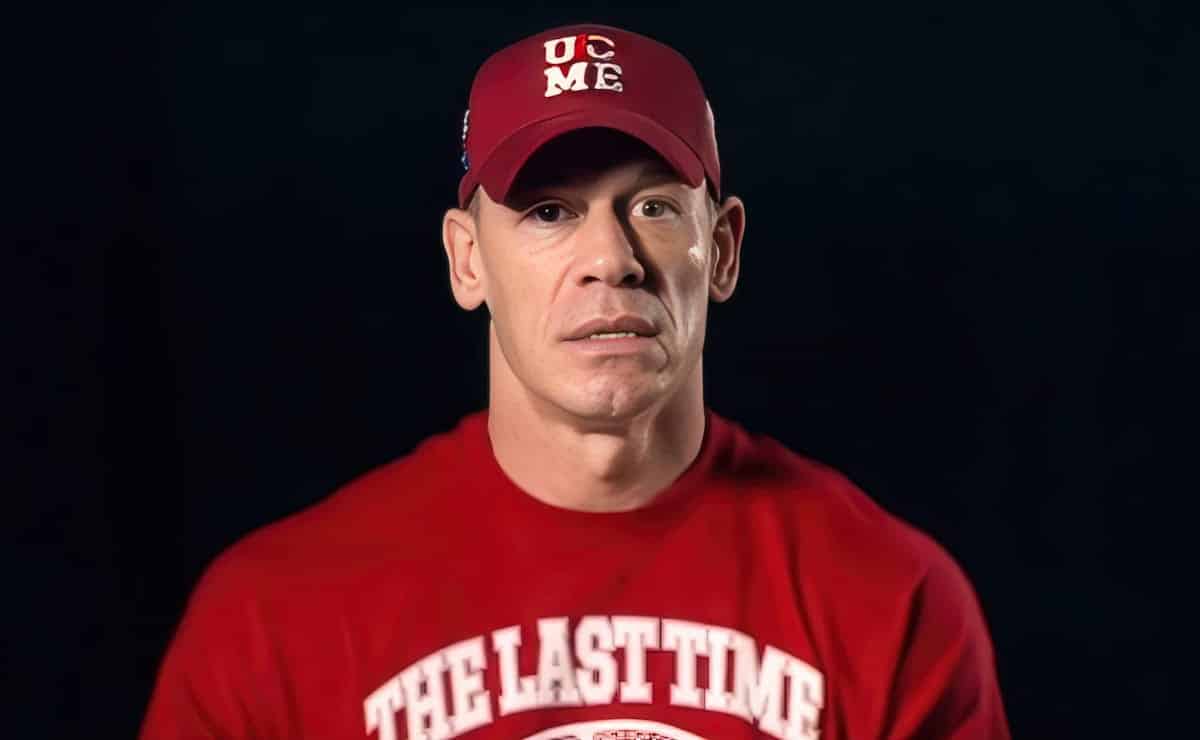
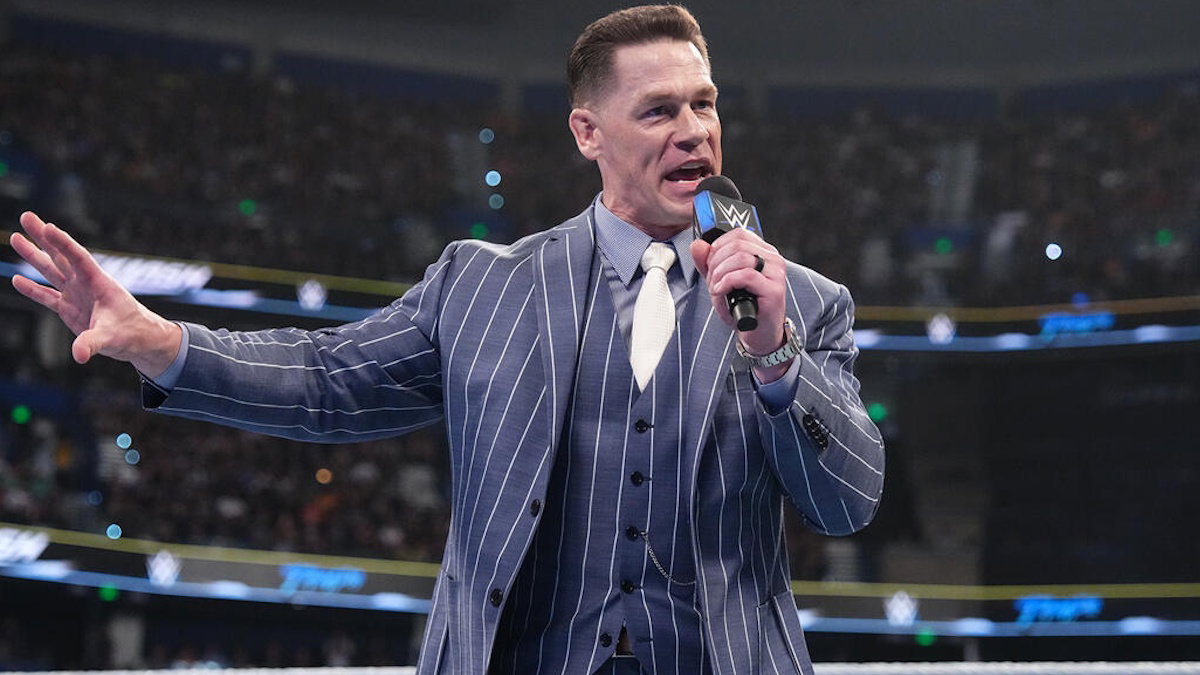
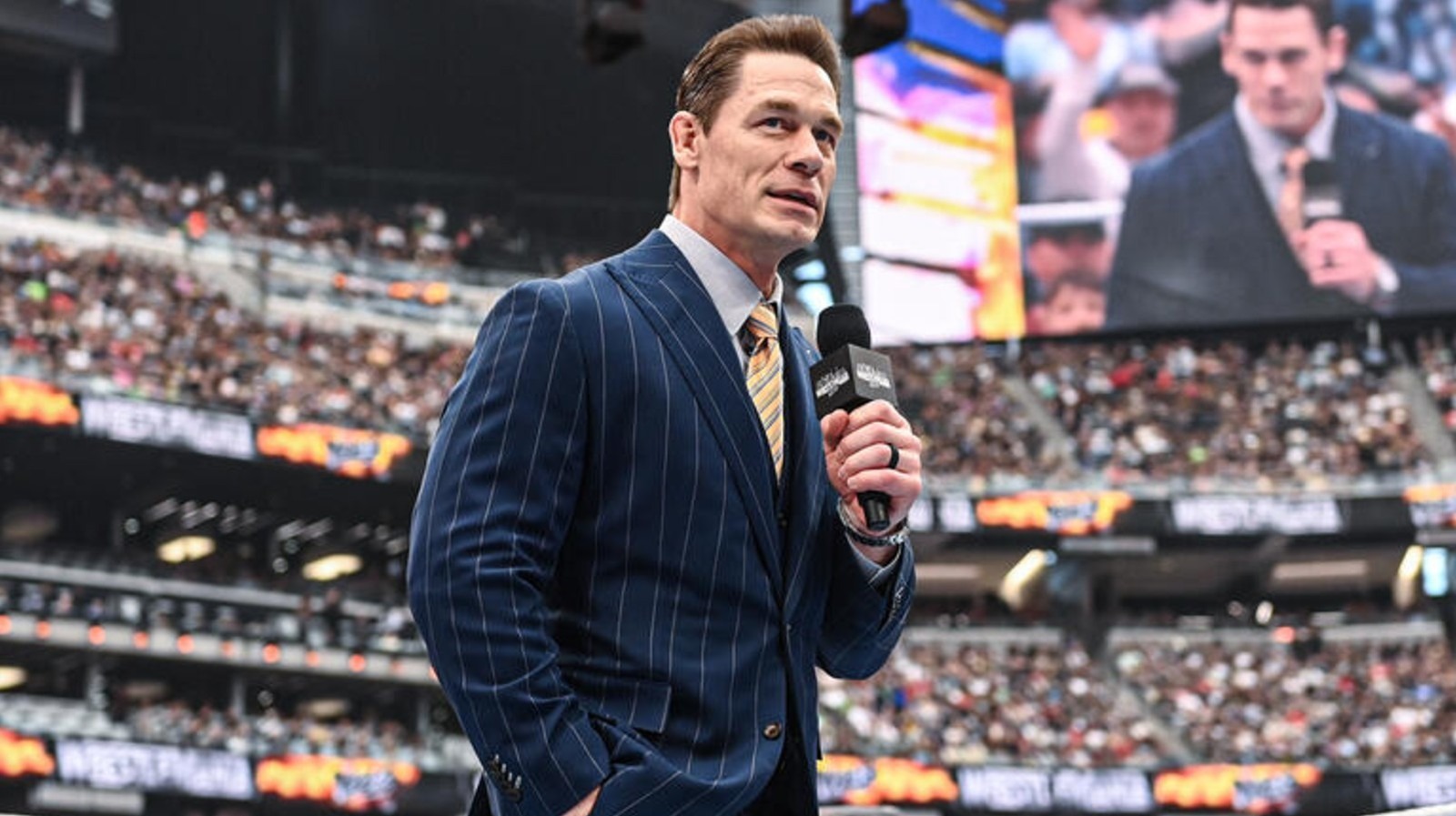
In the high-stakes world of professional wrestling, 20-year careers are statistical outliers. John Cena functioned as the focal point of the promotion for over a decade, yet he recently noted that he never once told creative to take a hike. When you analyze a tenure that spanned roughly 2,500 televised appearances, the refusal to veto a script suggests a level of professional utility that defines his brand.
Cena’s approach to the business was about minimizing friction. He maintained a 100% acceptance rate on creative pitches while staying in the main event orbit. This is a staggering output when you compare it to his contemporaries, many of whom burned out or walked out due to creative stagnation. He understood that his value was tied to the machine, not defined in spite of it.
The mechanics of the heel turn that never was
Fans spent years clamoring for the turn that would flip his 15-year moral compass. During recent discussions on why he never pulled the trigger on a heel pivot, Cena emphasized that it had to be realistic. If he had turned, it would have required a total dismantle of his merchandise engine, which arguably accounts for $20 million in historical revenue. The math proved he was more profitable as a static hero than a dynamic villain.
Consistency was his biggest asset. From his debut in 2002 to his recent transition into mentorship, Cena treated his craft as a set of variables. He knew exactly what he was doing when he walked through the curtain: he executed the spot, sold the finish, and didn't complicate the booking. In a locker room often plagued by ego-driven demands, he was the ultimate company man.
Transitioning from the ring to the academy floor
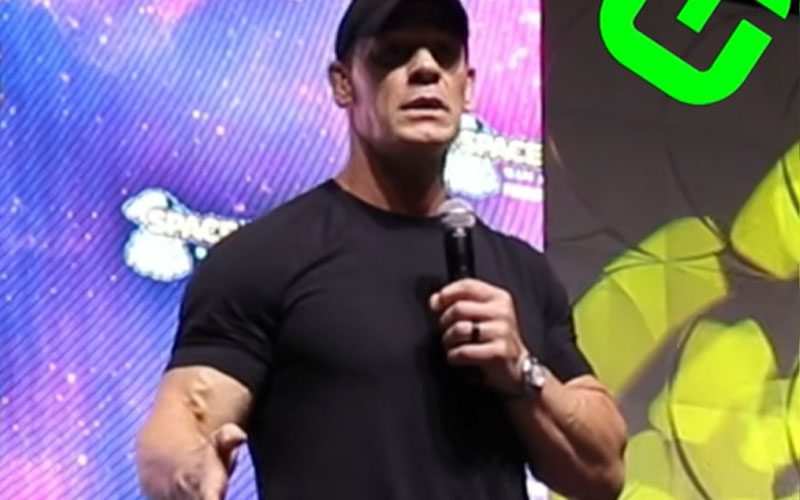
Cena is now reallocating those thousands of hours of experience into teaching. His recent six-hour stint coaching at Seth Rollins’ Black & Brave Academy shows a pivot toward the technical side of the industry. He is essentially moving from being the lead actor to the script supervisor for the next wave of talent.
This is a tactical shift. By investing in the grassroots, he secures a legacy that outlives his active contract. He isn't just showing up for a photo op. He is breaking down the psychology of the bump, the pacing of the comeback, and the specific mechanics of crowd interaction. That 6-hour window is a high-density coaching block that most veterans rarely grant to trainees.
The opportunity cost of being the face
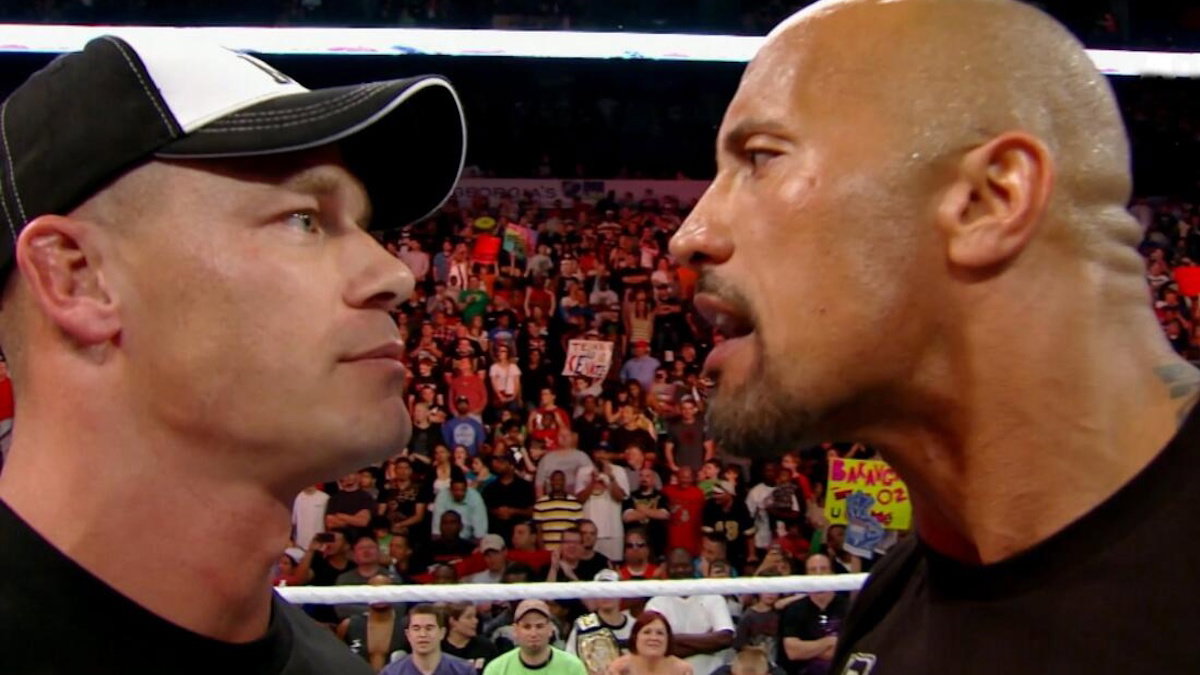
There is a hidden cost to his career arc that critics often ignore. By never turning heel, he potentially capped his creative ceiling in favor of long-term stability. While performers like Stone Cold Steve Austin thrived on the volatility of their characters, Cena stayed in the 85th percentile of crowd approval for the better part of 14 years.
He chose predictable, reliable performance over high-variance character risks. You can trace this back to his reliance on the same five moves of doom sequence that defined his matches from 2005 to 2015. It was a safe internal architecture, but it limited the variety of his output on the big stage. You don't have to look far to see the limitations; his matches, while technically sound, rarely deviated from the established 15-minute structural template.
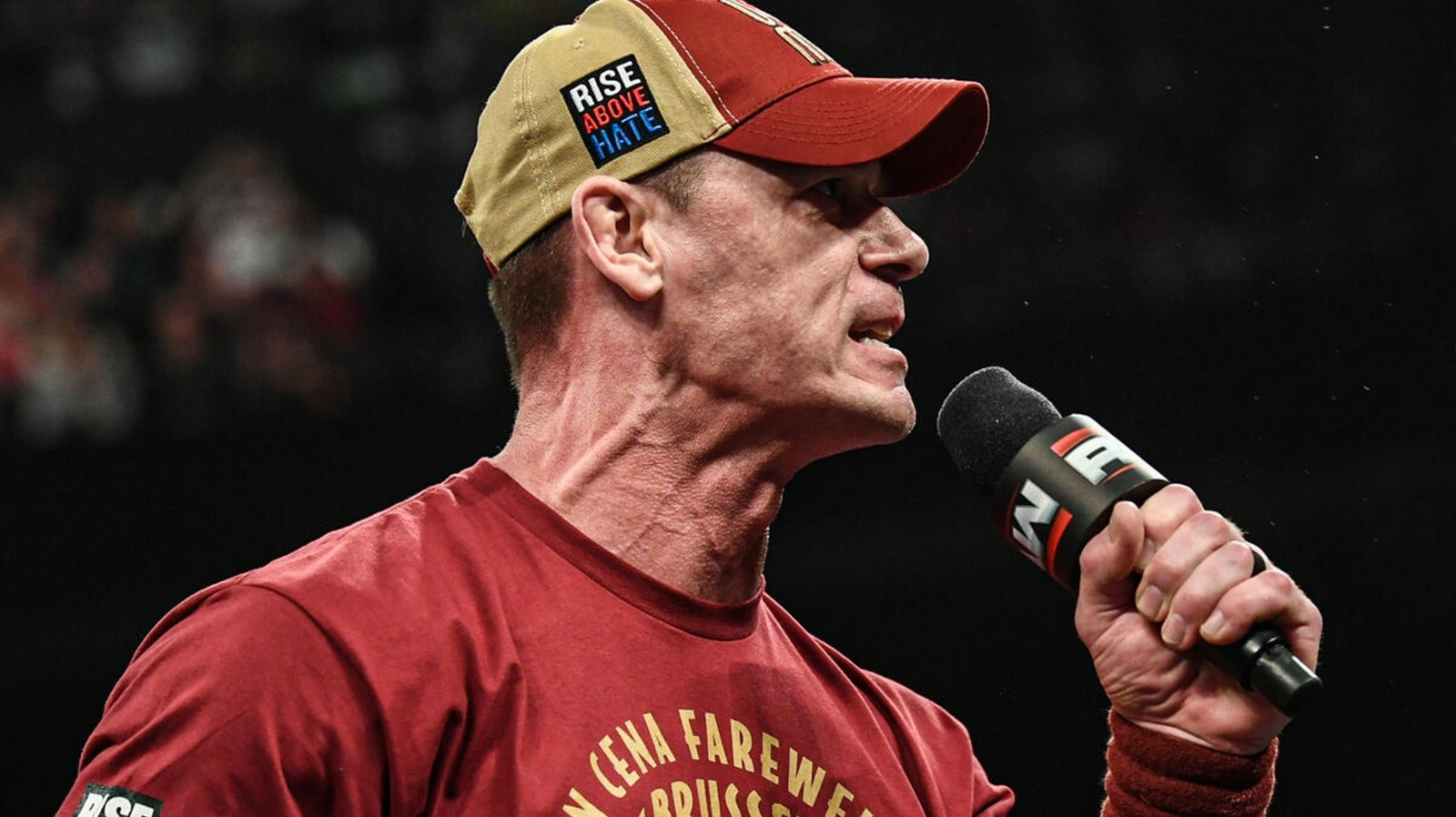
Ultimately, Cena’s career confirms that reliability is a currency. Whether it is analyzing his motivations for staying face or looking at how he managed his creative compliance, it all points to a man who saw the business as a collaborative puzzle. He was the most productive employee in company history because he solved the problems assigned to him instead of creating new ones.
Read Next
- Is the Dungeon really the holiness factor WWE fans think it is?
- Bayley and Lyra Valkyria claim they are the best tag team and the internet is fuming
- Nostalgia baiting is getting out of hand in the ring
- Top 10: Defining Moments of the 2026 Wrestling Calendar
- 🏆 WrestleMania 41 — Full Coverage Hub
- 👴 John Cena Retirement Tour 2026