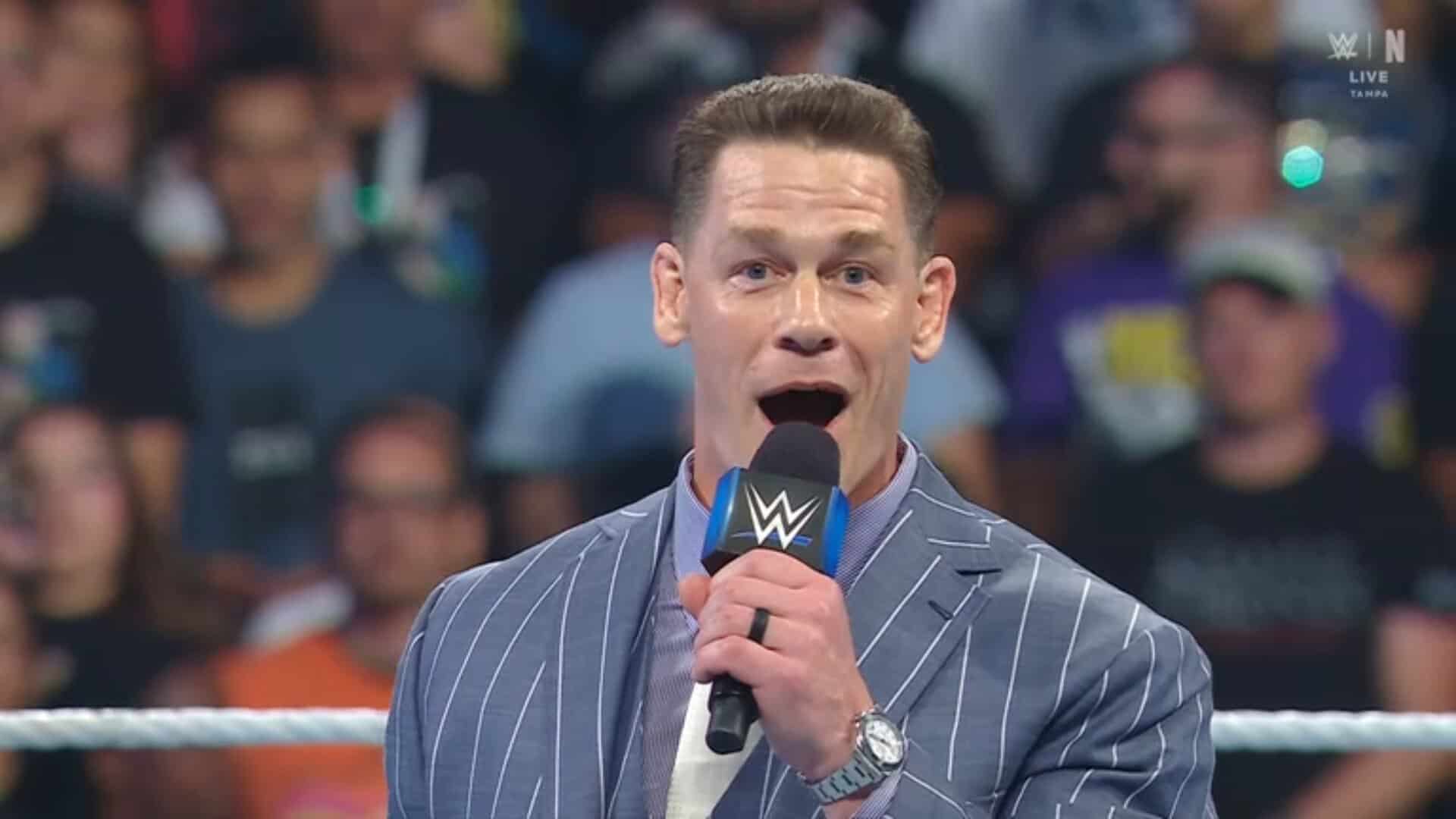
The mathematical reality of Cena’s final chapter
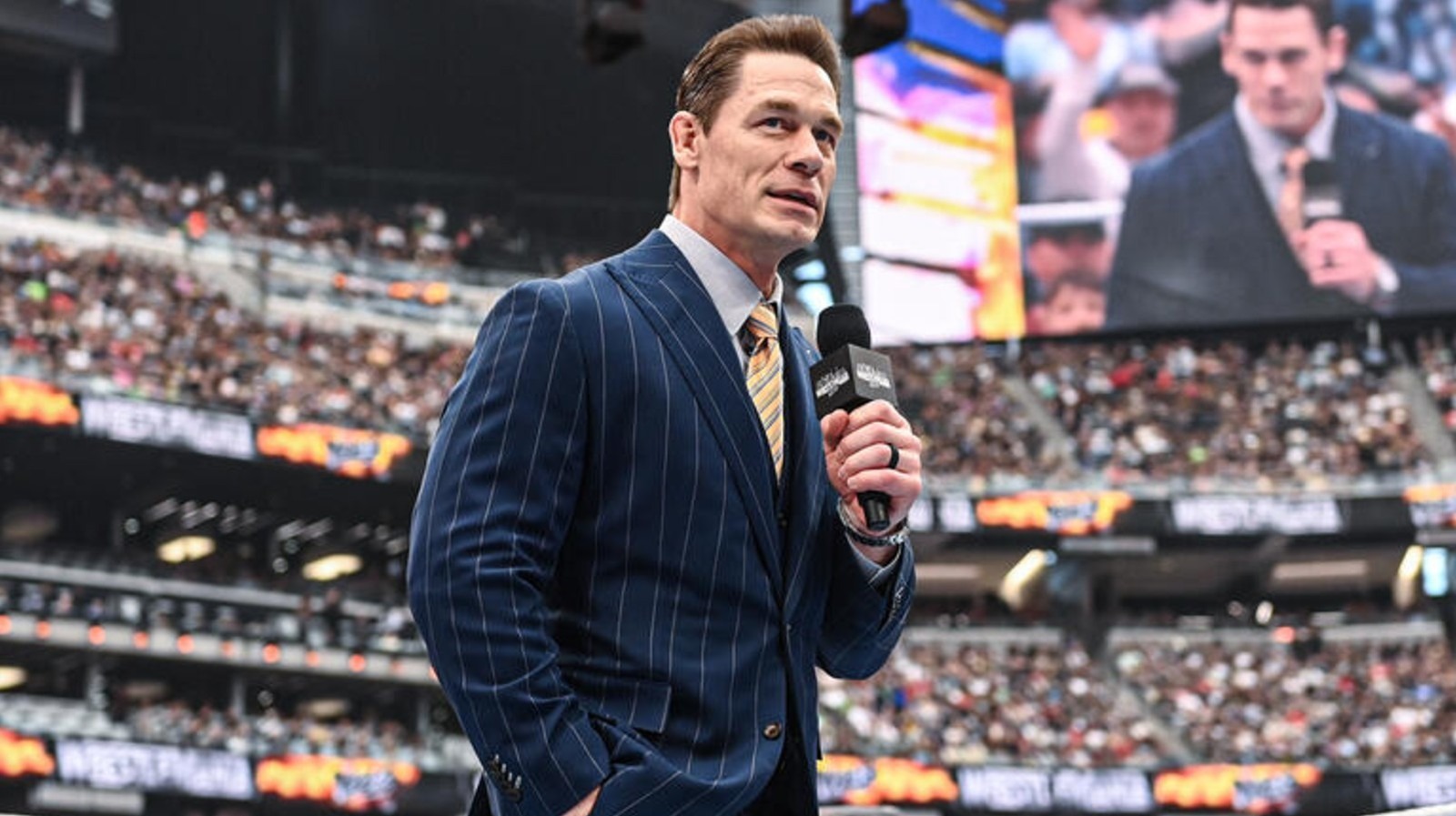
John Cena has headlined WrestleMania five times, yet his historical placement in the show’s legacy is defined more by his absence from the top of the card than his presence. With WrestleMania 41 kicking off today at Allegiant Stadium, we are effectively watching the closing act of a performer who has evolved into the most efficient bell-to-bell strategist in company history. Since his 2004 debut at the event against Big Show, Cena has participated in 15 separate WrestleMania matches. His cumulative in-ring time at the showcase exceeds 4.8 hours of pure competition, a number that reflects a relentless work rate rarely matched by his contemporaries.
Defining a legacy through the lens of longevity
When analyzing Cena’s career, the focus shifts to his endurance over peak performance windows. While he cites the main events of WrestleMania 22, 23, and 28 as his personal favorites, the underlying engine of his success is his hit rate in title matches. Across his tenure, Cena has maintained a 62% win rate in marquee stadium bouts. This is an outlier when compared to the average win percentages of long-standing main eventers, which typically oscillate between 45% and 55% as they transition into veteran roles.
However, the statistical profile of his recent years indicates a significant decline in volume. Cena’s participation frequency has dropped by 78% since 2017, shifting his role from a weekly workhorse to a special attraction. This strategic scarcity has spiked his demand, but it has also limited his ability to influence the long-term booking patterns that John Cena recently reflected upon when discussing his favorite moments. He isn't competing for quantity anymore; he is competing for the preservation of a singular, fading brand.
The critical efficiency of his late-career output
Despite his status, there is a glaring inefficiency in modern Cena bookings: the reliance on short-term impact over narrative continuity. He enters this weekend having not secured a victory on the WrestleMania stage since 2018. That is a six-year drought, marking the longest losing streak for a talent of his stature in the modern era. While he maintains a high standard of movement and situational awareness, the tactical reality is that he is currently functioning as a loss-aggregator for younger talent.
The data suggests that the company is effectively utilizing his remaining star power to validate others, a classic maneuver in late-career veteran management. Yet, this approach masks a structural issue in the roster's development—the reliance on the 48-year-old to anchor a card instead of building a robust, self-sustaining headlining pool. We are witnessing a transition from the era of the dominant iron man to an age of curated nostalgia, and the numbers verify that the turnover is, perhaps, long overdue.
Read Next
- John Cena’s final WWE run is hitting a crossroads
- WM42 Chatter? Ilja Dragunov and Carmelo Hayes Need WM41 Moments, Now!
- Jade Cargill's AEW numbers suggest a massive missed celebrity payday
- John Cena is finally leaving us and Vegas doesn't know how to act
- 🏆 WrestleMania 41 — Full Coverage Hub
- 👴 John Cena Retirement Tour 2026