
John Cena’s Backlash cameo is a strategic masterclass in fan engagement
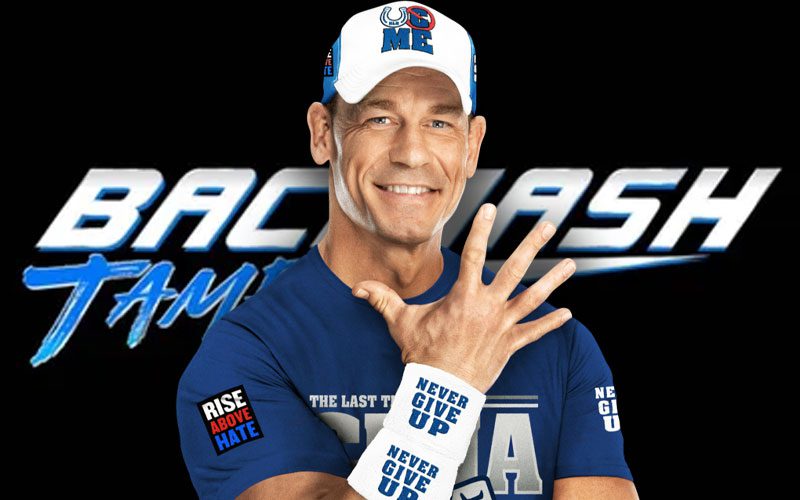
The shadow of Las Vegas looms over Tampa
As we sit here on April 24, 2026, the residue of the Las Vegas mega-weekend remains thick in the air. We watched the industry navigate a back-to-back event schedule that pushed talent and production teams to their internal limit. Joe Jonas admitted that singing the national anthem on Sunday night felt secondary compared to the nerves of meeting John Cena backstage. It tells us everything we need to know about the current gravity of the roster.
We are now exactly 15 days away from WWE Backlash in Tampa. The narrative focus has shifted almost instantly from the spectacle of the desert to the logistical necessity of keeping momentum alive. John Cena has been teasing something epic for the show. For a performer who has officially stepped away from in-ring competition, these appearances are no longer about building a title feud. They are about maintaining the brand equity of a retired star who still functions as the company’s highest-value asset.
Evaluating the diminishing returns of the non-wrestler cameo
Cena’s involvement presents a clear tactical dilemma. When a legend who is no longer active appears, the engagement numbers spike, but the long-term booking utility often craters. We have to ask if Tampa is being utilized to prop up a card that lacks a definitive hook, or if this is simply a victory lap. Unlike the high-stakes execution we saw in the recent reports from F4WOnline, these segments often prioritize nostalgic pops over substantive story progression.
There is a specific risk in leaning on Cena to carry the hype. If he does not actually physicalize a conflict, the fans run the risk of becoming desensitized to the "epic" billing. We saw this in the past when surprise returns resulted in little more than a 15-minute promo segment that stalled the cruiserweight or mid-card momentum. If the payoff in Tampa is just a walk-and-talk, the creative team has failed to leverage his star power into a measurable jump in quarterly metrics.
The necessity of a pivot toward internal narrative
The reliance on part-time legends obscures a frustrating reality: the current mid-card depth is struggling to define itself. Looking back at the events of this past weekend, the focus on celebrity involvement like Joe Jonas can feel like a distraction from the fundamental work of building title contenders. When Cena maintains his intention to do something significant in Tampa, he is effectively taking space that could be used for someone like a Bron Breakker or a Carmelo Hayes to establish their identity.
My notebook shows a clear trend: the highest ratings drops over the last two cycles occurred during non-wrestling, talking-heavy segments. While Cena remains a massive draw for the casual audience, the core viewer is increasingly showing fatigue toward segments that lack a tangible consequence. A physical spot—a simple AA to a heel trying to gatekeep the ring—would be the minimum threshold for success. Anything less feels like a hollow nod to the past at the expense of necessary evolution for the present era.
We need to be critical of the booking patterns here. If the objective is to keep the energy high between the April festivities and the upcoming summer cycle, Cena is merely a patch on a leaking roof. The real story at Backlash won't be whatever Cena does for ten minutes in the middle of the show. It will be whether the workers inside the ropes can keep up with the pacing expectations set by the production value of the Vegas weekend. If they can’t, no amount of teased epics will keep the audience from checking out before the 30-day countdown to the next PLE begins.
Read Next
- John Cena is promising something big for Tampa and we should be used to this
- EVIL heading to WWE is a fascinating gamble for the Triple H era
- Backlash 2026: The Post-Mania Reckoning and a Glimmer of New Blood
- Top 10: WrestleMania 41’s Defining Moments
- 🏆 WrestleMania 41 — Full Coverage Hub
- 💥 WWE Backlash 2026 — Full Coverage Hub
- 👴 John Cena Retirement Tour 2026
Mattel WWE Elite Collection Series 109 Action Figure, CM Punk
Highly articulated, 'Elite' grade action figure of the Best in the World.
More Coverage

Top 10: The Most Impactful Pro Wrestling Moments of 2026
32 minutes agoWhy the Broken Hardy act is a major gamble for Philadelphia
an hour ago
WWE reshuffles NXT pipeline as Meghan Walker eyes main roster debut
2 hours ago
Andre Chase pulls back the curtain on the Shawn Michaels era at NXT
3 hours ago
The Andre Chase effect: Why Shawn Michaels is the ultimate NXT headmaster
3 hours ago
Drew McIntyre sidelined following brutal SmackDown encounter
7 hours agoMore Analysis
John Cena is teasing a Backlash appearance and the internet is losing its mind
2 months, 3 weeks ago
John Cena is teasing something massive for Backlash 2026
2 months, 1 week ago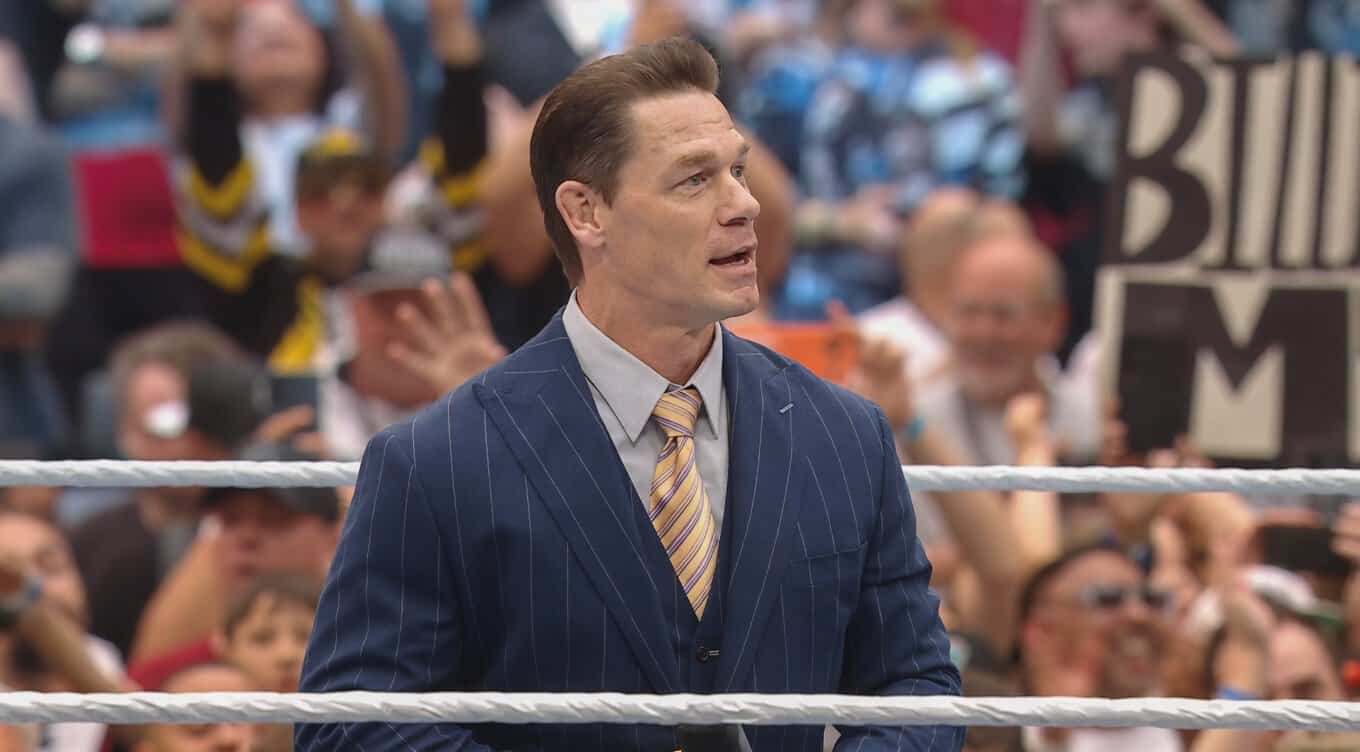
John Cena is promising something big for Tampa and we should be used to this
2 months, 3 weeks agoJohn Cena at Backlash proves WWE is already panicking post-WrestleMania
2 months, 2 weeks ago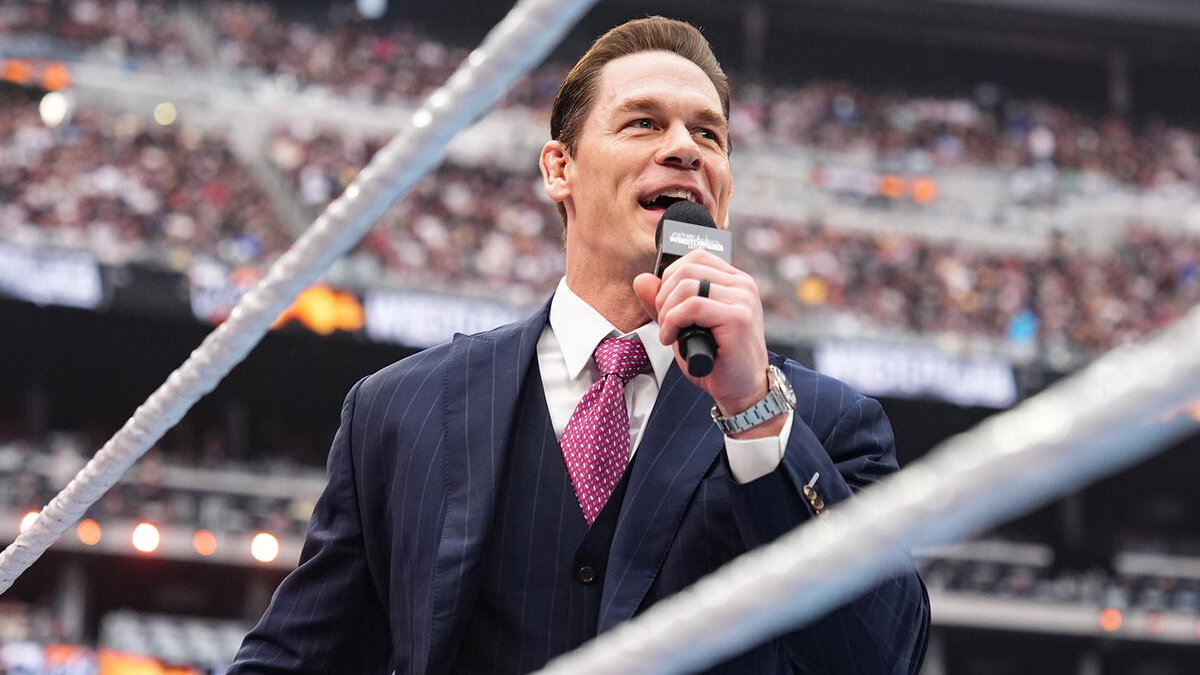
John Cena is angling for a massive final act at Backlash
2 months, 1 week ago