The retirement reality check
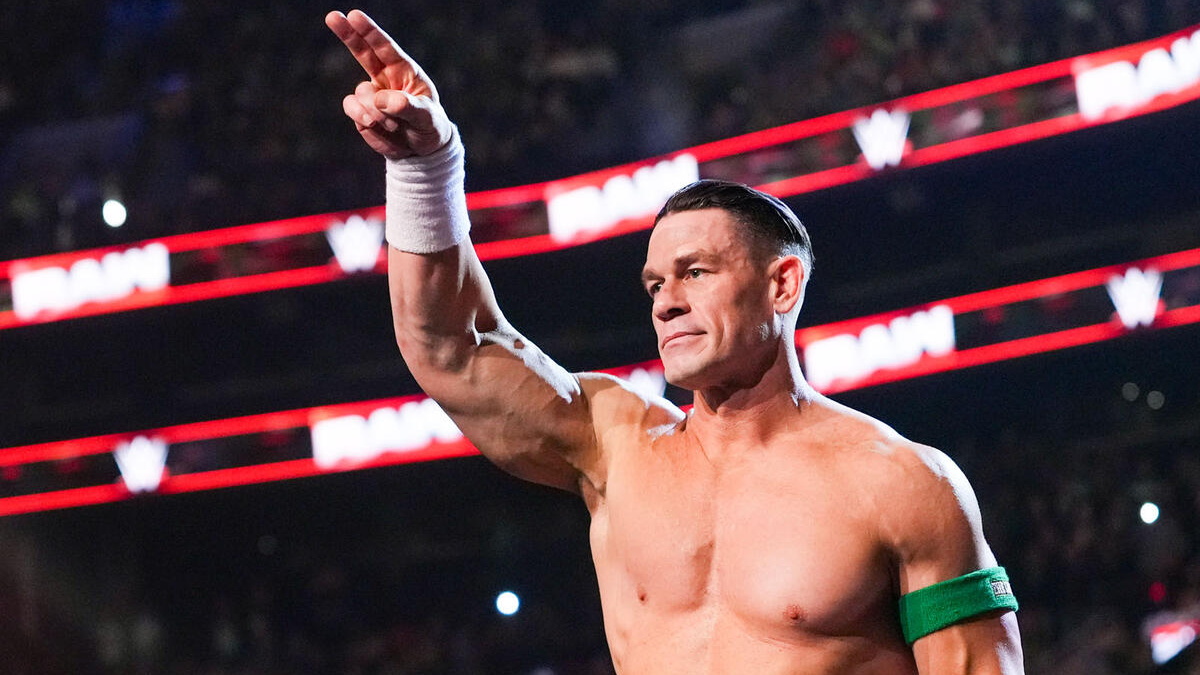
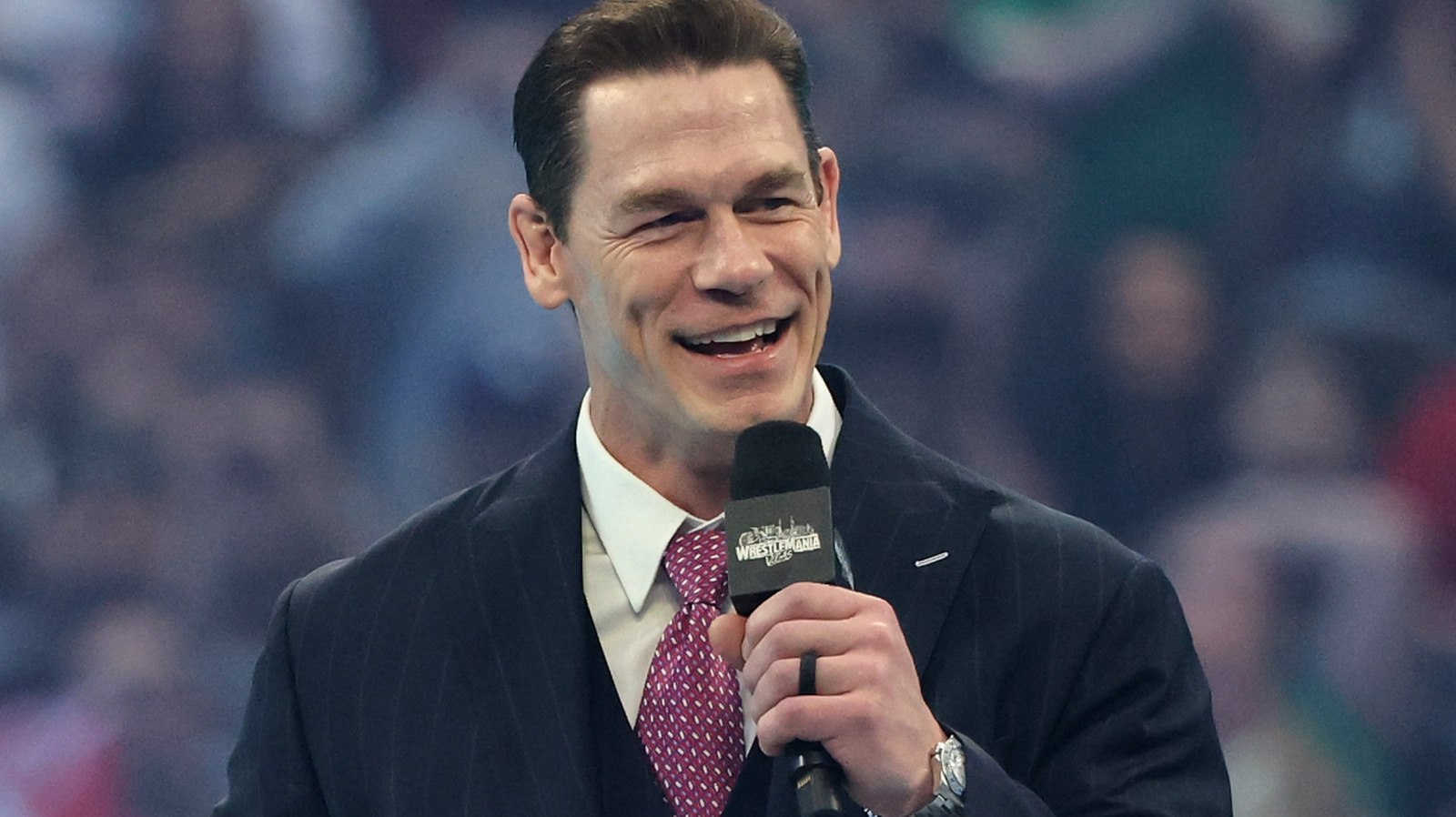
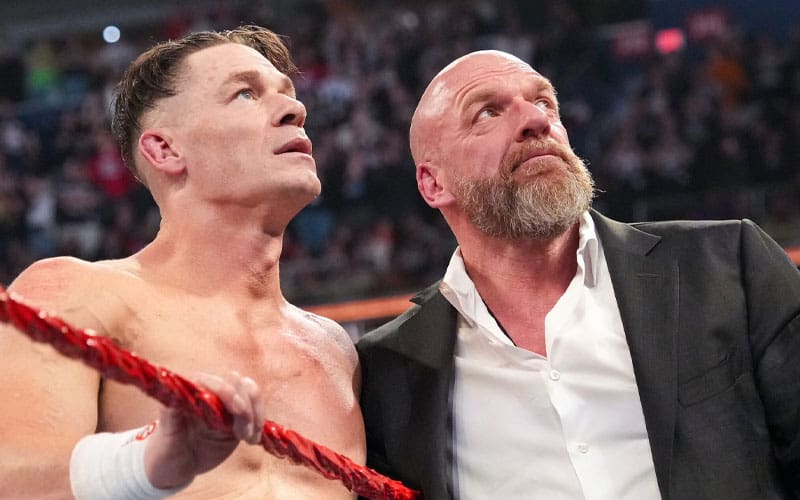
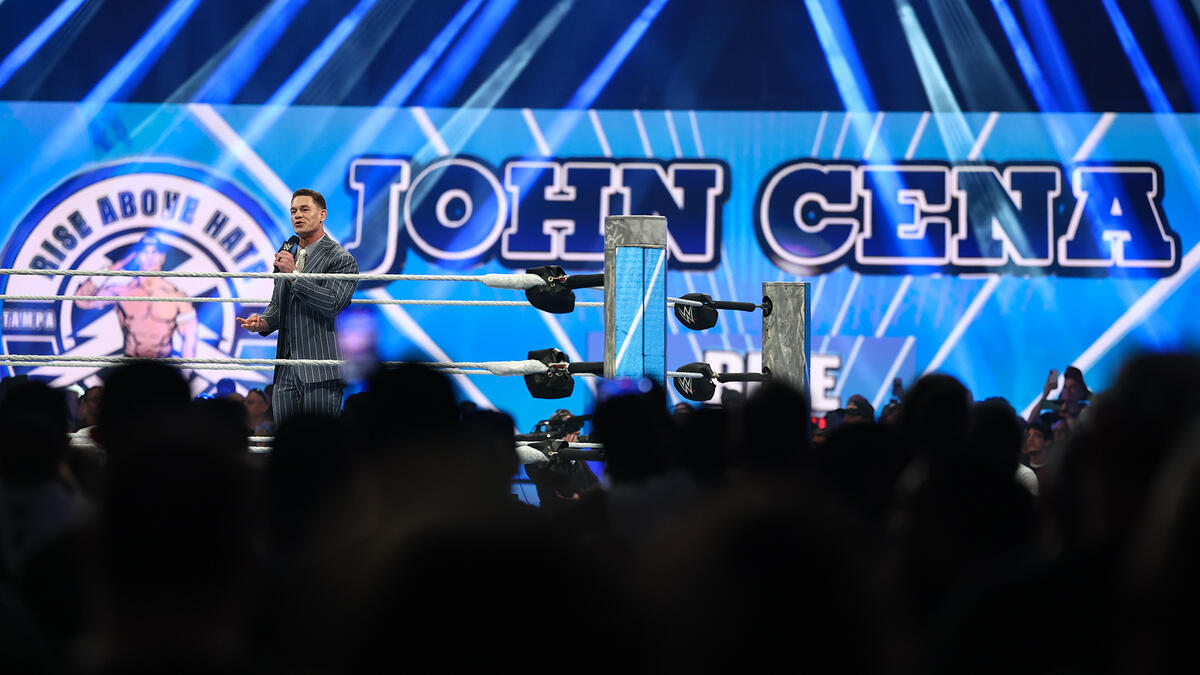
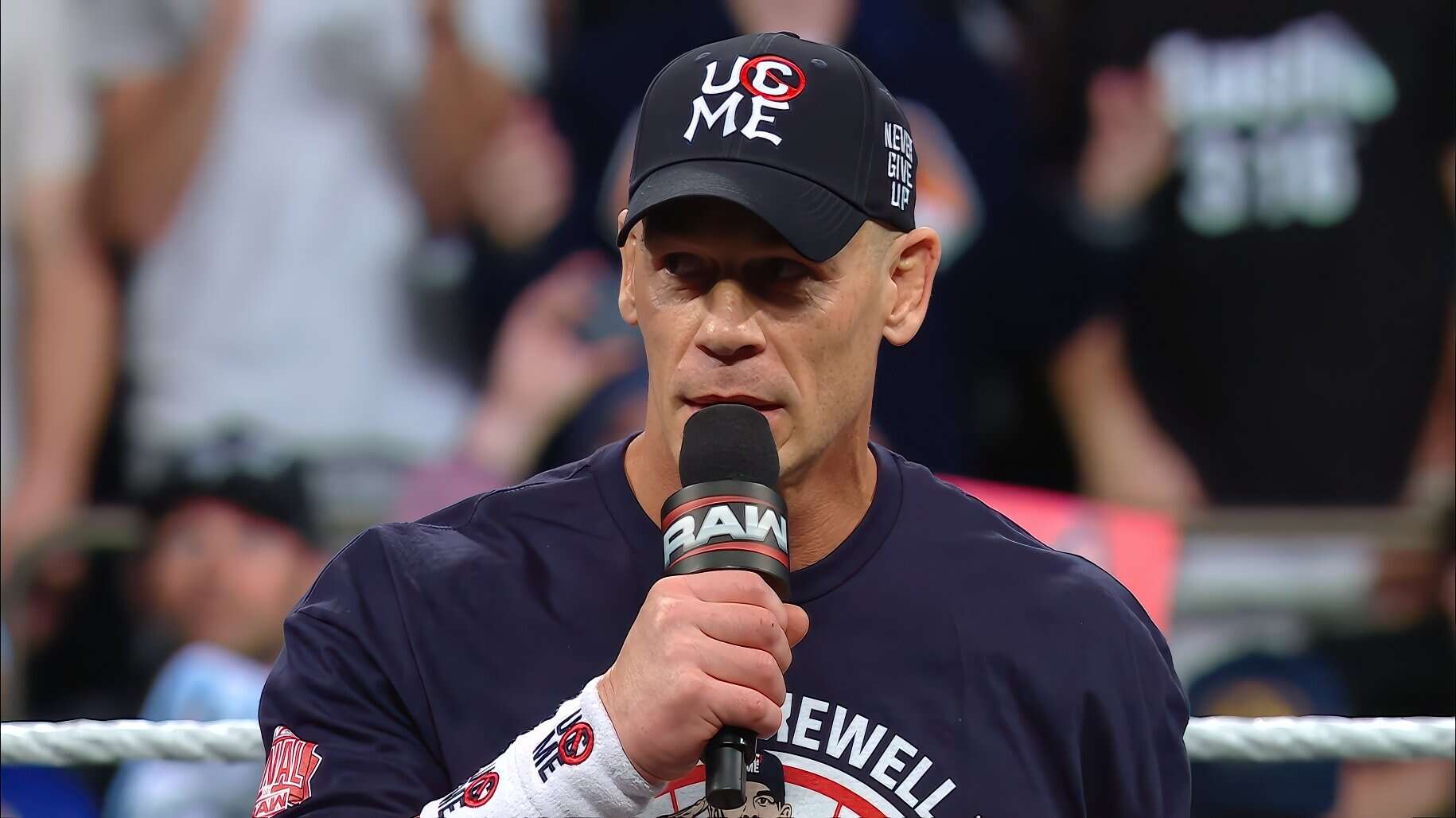
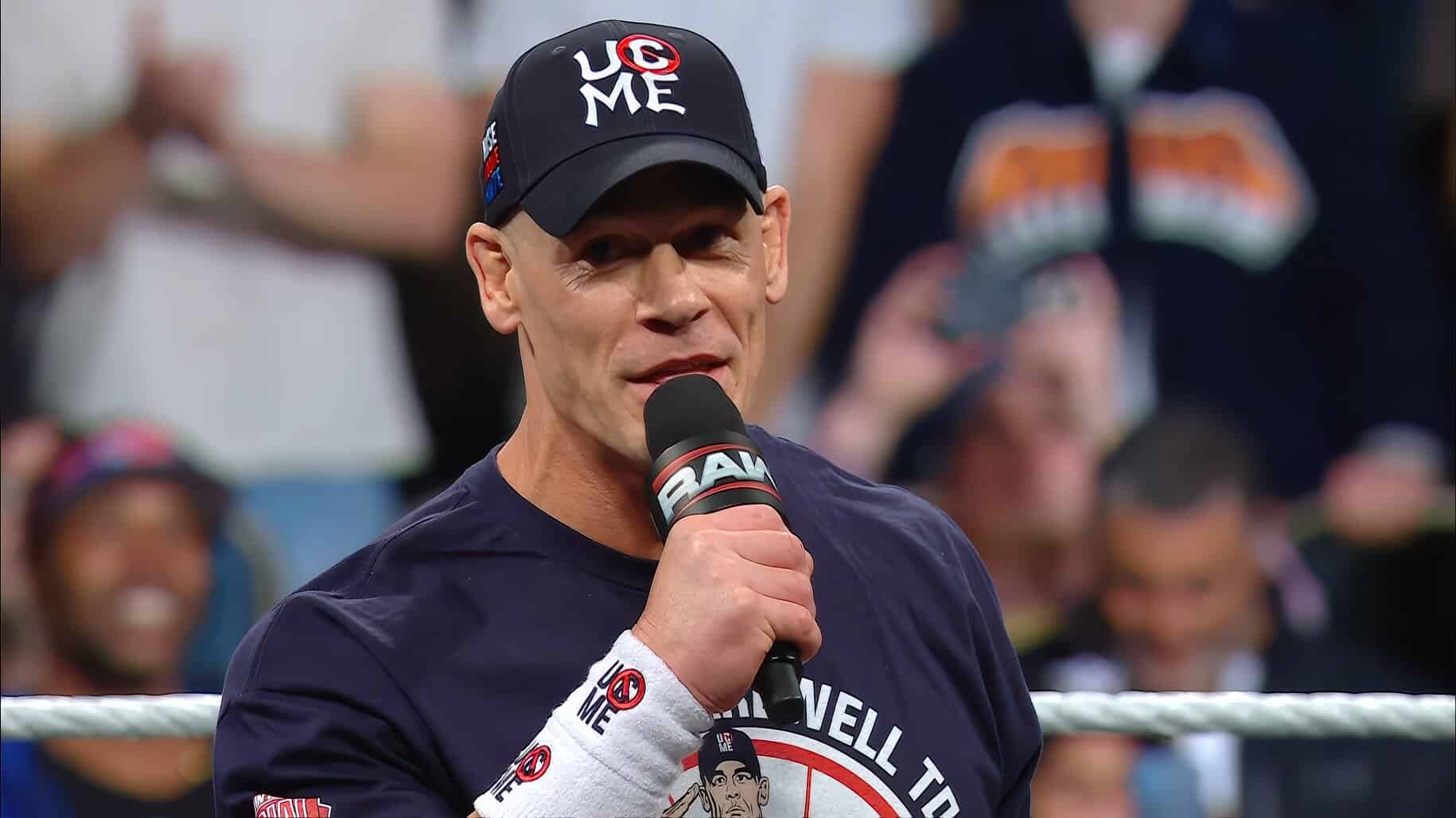
John Cena is not coming back. While fans holding tickets to WrestleMania 41 in Las Vegas might still be clinging to the faint hope of a final surprise entrance, the door is effectively locked. Paul Levesque—known to the industry as Triple H—confirmed his stance on the matter today, April 14, 2026, during a media availability.
Levesque addressed questions regarding Cena’s status, leaving zero ambiguity for the future. He stated that he believes in Cena’s commitment to his retirement plan. The 16-time world champion has been explicit about his physical condition and his post-wrestling career path for months.
This is a pivot point for a generation of fans. Cena spent two decades as the primary engine for the company. His move into acting and hosting has taken him further away from the squared circle, with his recent absences becoming the norm rather than the exception. The transition from active competitor to legacy figure is now complete.
The physical cost of the tenure
Professional wrestling does not offer a smooth exit ramp. Cena’s body, after 20 years of taking bumps, performing the Five Knuckle Shuffle, and sustaining heavy impacts through tables, has clearly reached its functional limit. He has been vocal about the wear and tear on his neck and lower back.
In this industry, the list of performers who return for one last match usually ends in diminished returns. We have seen legend after legend miscalculate their final act. By stepping away entirely, Cena avoids the spectacle of a shadow-of-himself return match. It is a disciplined, if difficult, decision.
Critics might point out that legends rarely stay retired in WWE history. We have seen countless 'last matches' that lasted only until the next major pay-per-view cycle. Yet, Cena’s current career trajectory in Hollywood is too demanding to support a part-time wrestling schedule.
What happens to the WrestleMania 41 plans
With WrestleMania 41 arriving in less than a week, the card is set without the biggest name of the Ruthless Aggression era. WWE is banking on its new crop of main event talent to carry the show. It is a necessary shift to move the spotlight away from the past and onto the current roster.
Some might argue that the absence of a draw of this magnitude detracts from the spectacle of WrestleMania. However, relying on aging stars creates a roadblock for newer, younger talent to reach that top-tier stratosphere. The company must prove it can move tickets and generate massive interest without relying on the same names that carried the brand in 2006.
The strategic implication here is clear. By cementing Cena’s retirement, the front office is signaling that they are comfortable with their internal pipeline. They have the star power to move past the era that Cena dominated. If this sticks, it marks the end of an era where singular icons define the entire entity.
The historical context
Historically, when titans leave, the vacuum can be dangerous. We saw the lull in the early 90s, and we saw the panic when the Attitude Era rosters began thinning out. Management is trying to ensure this exit is handled as a celebration of the resume rather than a loss of assets.
Cena’s influence remains, but his participation is finished. There will be no 'one more match' tease at the end of a big event. The path forward for the organization is now defined by the current titleholders and the performers who have been pushing for the top spot since the post-pandemic era began.
We are watching the structural changes of a business attempting to grow beyond the need for veteran crutches. It is a high-stakes bet on the current talent pool. If the metrics don't hold up, the temptation to bring back icons will return with force. For now, the commitment stands.
Read Next
- Top 10: The Moments Defining the Road to WrestleMania 41
- Why Gunther is the only logical choice to end the Goldberg era in Las Vegas
- John Cena is double-dipping in Vegas and the IWC is losing its mind
- Jacob Fatu almost debuted as Caesar Sikoa and the internet is losing it
- 🏆 WrestleMania 41 — Full Coverage Hub
- 👴 John Cena Retirement Tour 2026