The math behind Cena's retirement
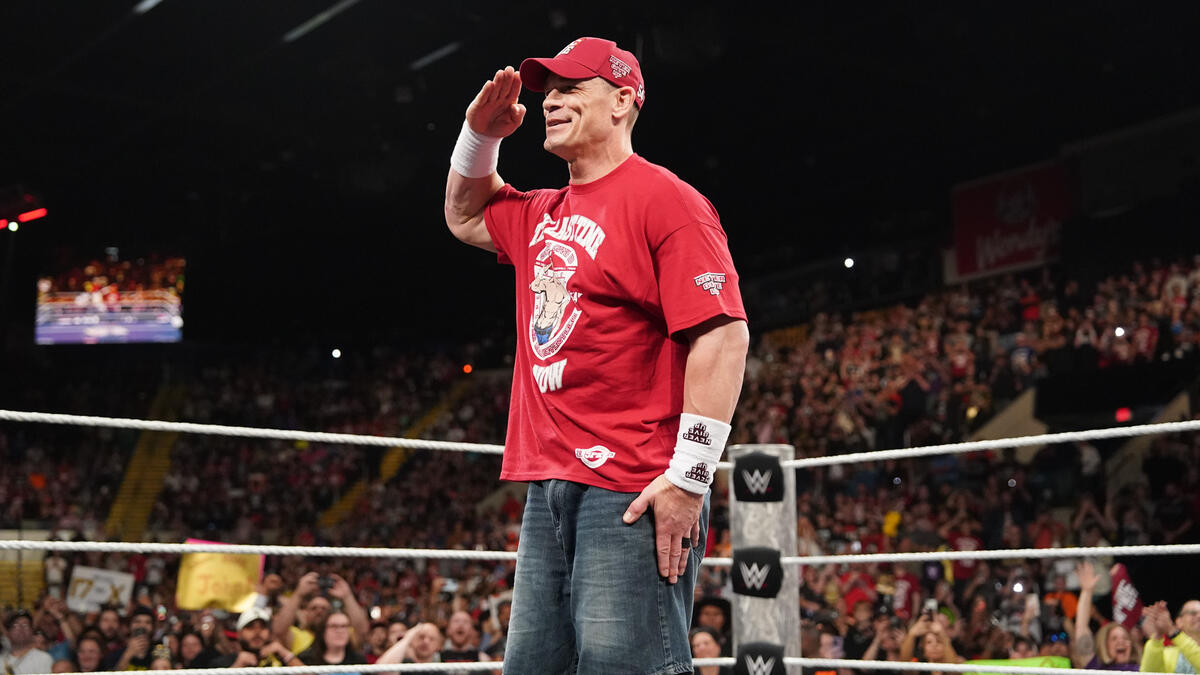
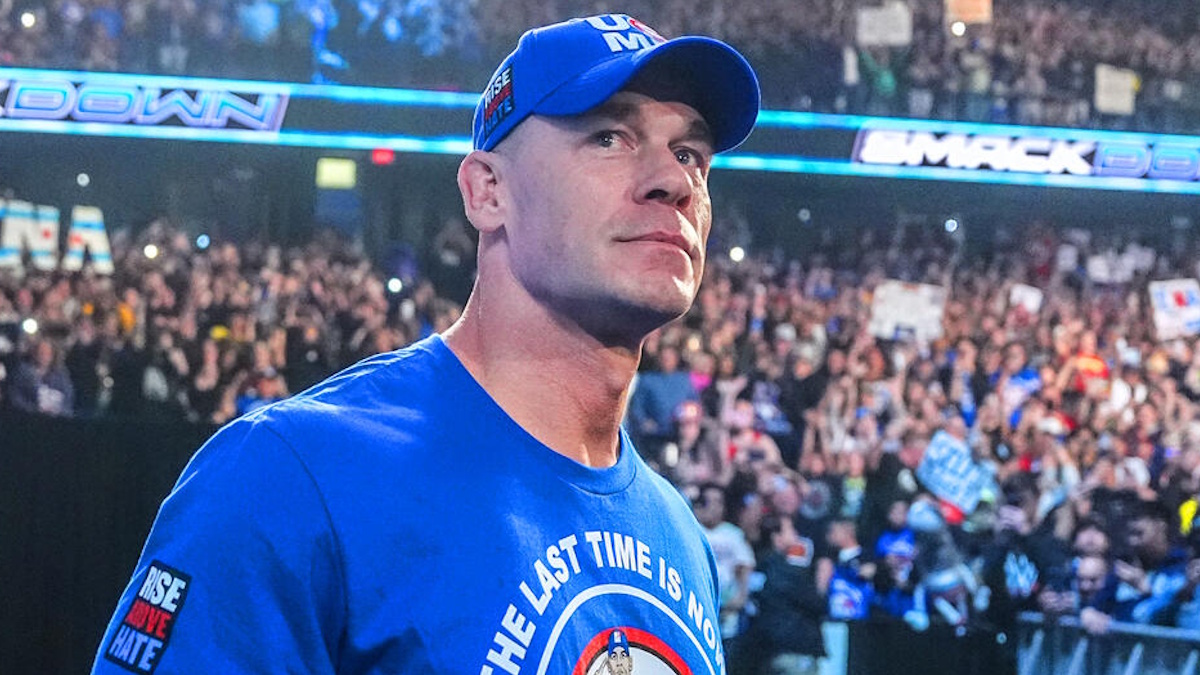
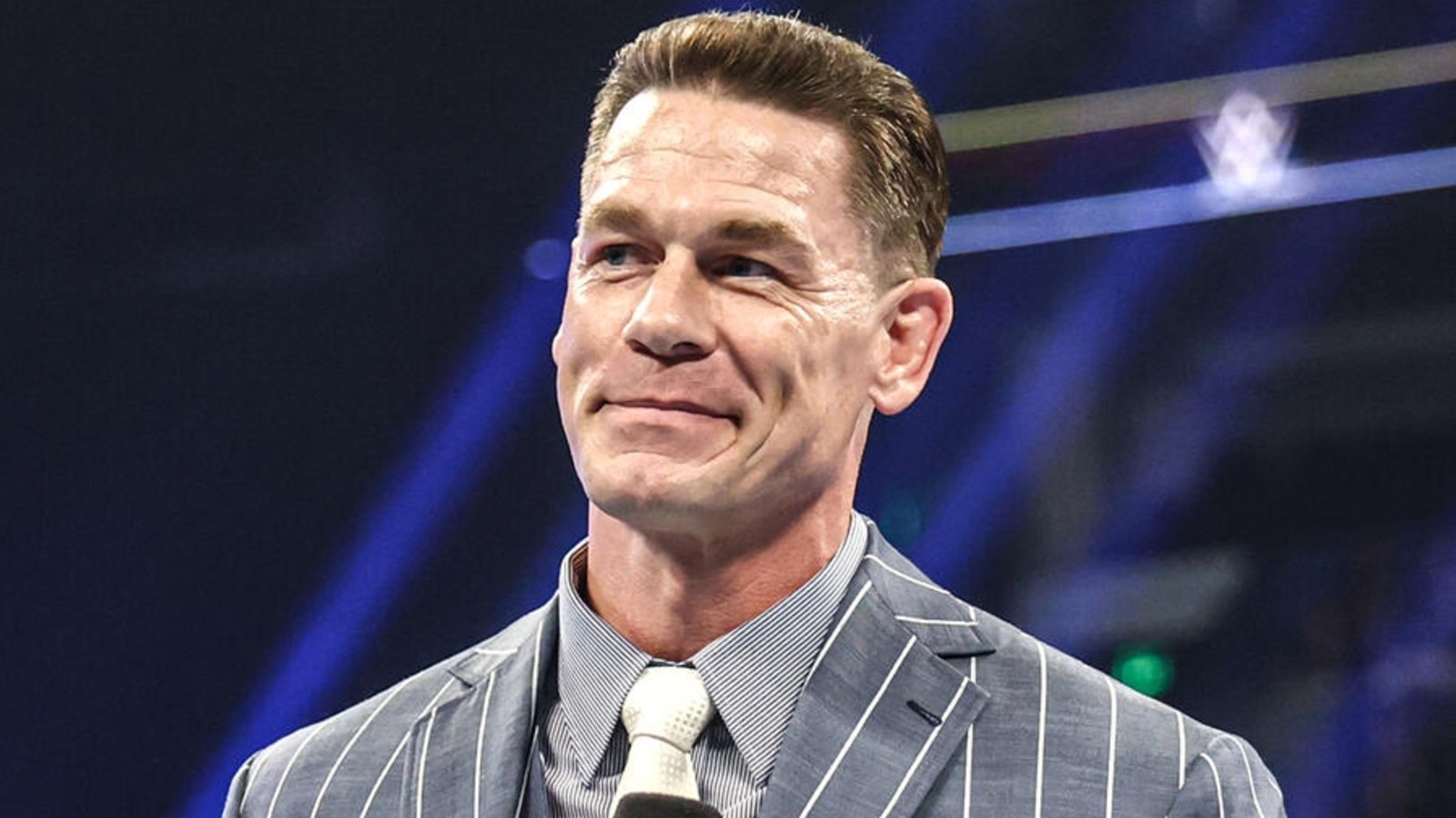
Every time a pay-per-view hits a lull or a main event feels toothless, the internet resurrects the idea of John Cena lacing up the boots. It is a nostalgic reflex. However, the man himself recently put the discourse to bed on Wrestling Inc, explicitly stating that a full-time return would be financial suicide. He is not talking about his bank account; he is talking about the physical and professional opportunity cost of missing his current projects.
We need to stop treating Cena like a break-glass-in-case-of-emergency wrestler. His transition into the film industry means his insurance premiums alone likely prohibit anything beyond a short, non-contact cameo. When performers reach his level of outside success, the risk-to-reward ratio of a match changes entirely. Getting tossed through a broadcast table in 2026 carries a different weight than it did in 2012.
The booking reality vs the fan desire
Cena’s comments highlight a fundamental misunderstanding fans have regarding how WWE manages its legends. The company does not need him to work a thirty-minute iron man match to move tickets. They need his legacy to anchor the brand while they build the next generation. If Cena were to return, he would only eat up main event slots that performers like Austin Theory or Bron Breakker need to cement their placement.
The current product is trending toward a faster, high-impact style that relies on complex sequences. Look at the recent performance metrics of the main roster; the work rate has spiked since the shift in creative leadership. Integrating a veteran who hasn't taken a consistent bump schedule in years would force a technical bottleneck. It would look sluggish compared to the 22-minute barnburners we see on weekly television.
The trap of the legacy return
There is a glaring flaw in the constant speculation. If Cena returns for a program, he either wins, which stalls rising talent, or he loses, which diminishes the aura of the final decade of his career. Neither outcome serves the long-term growth of the locker room. We have seen how forced nostalgia can derail momentum for younger stars.
His refusal to commit to a return is an act of professional self-preservation. Some criticize this as being detached from the fans, yet it is actually the most honest statement in the industry. He has provided his share of sweat and blood. Expecting him to walk back into the ring just to satisfy a crowd reaction is a selfish fantasy that ignores the reality of his current workload.
The final verdict
My prediction is simple. You will see him at a major event sitting in the front row, perhaps getting involved in a segment with a microphone, but you will not see him competing in a physical match. The insurance costs are too high, his schedule is too packed, and his brand is too valuable to risk for a one-off pop.
The industry is moving forward. The future of the company sits on the shoulders of the current roster, not on the return of a man who has already checked every box on the list. We should accept the retirement announcement for exactly what it is. The era of Super Cena is over, and that is objectively better for the health of the television product.
Read Next
- Why Gable Steveson's return rumors to NXT are stalling
- John Cena is finally treating wrestling like a high-wire act
- John Cena’s classic tournament faces a reality check before it even begins
- Top 10: Defining Modern Wrestling Moments
- 🏆 WrestleMania 41 — Full Coverage Hub
- 👴 John Cena Retirement Tour 2026