The Noise Before the Storm
Wrestling media is currently an absolute mess. If you try to read about the upcoming premium live events, half the internet is buried under aggressive pop-ups pushing Jackpot Games BTC or promising you can win big with Bitcoin. It is a headache to navigate. But if you strip away the digital noise and look strictly at what is happening between the ropes, the picture for WrestleMania 41 is coming into sharp focus.
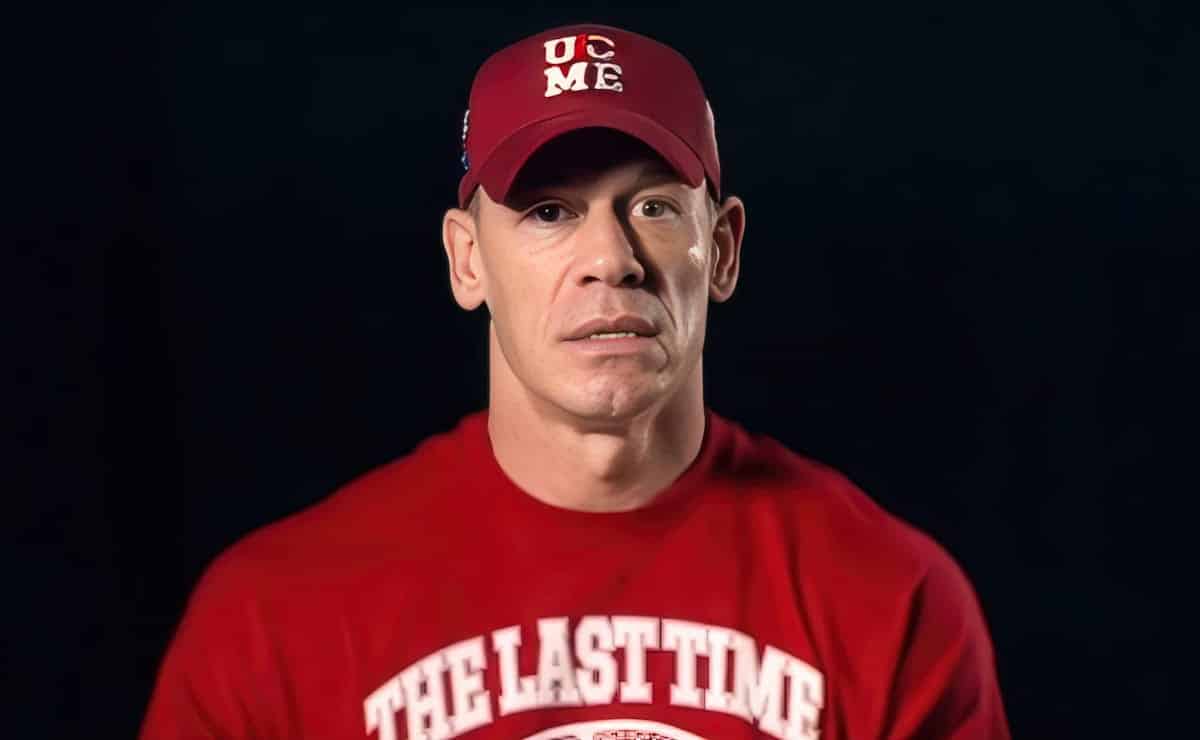
We are less than a month away from Las Vegas. Allegiant Stadium is going to host the biggest weekend in the industry. Night 1 on April 19 belongs to John Cena’s farewell and CM Punk. But Night 2 is the true tactical battleground.
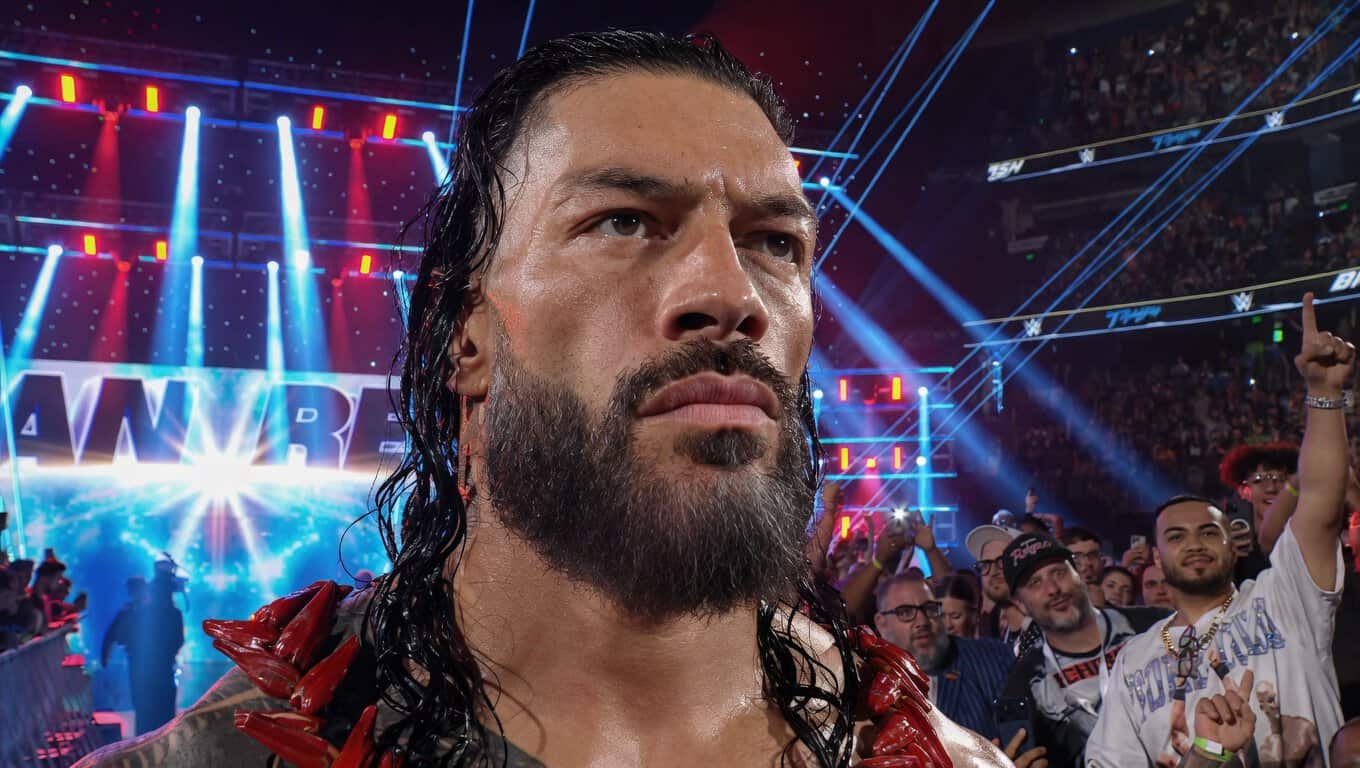
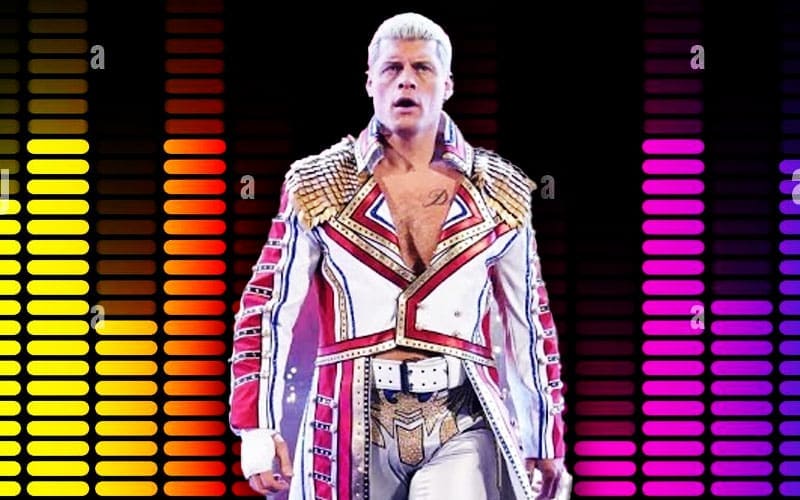
Cody Rhodes will defend the WWE Championship. The shadow of Roman Reigns and the Bloodline looms over the entire main event scene.
This is not just another title defense. It is a clash of distinct in-ring philosophies. Cody wrestles a very traditional, babyface-in-peril style. He absorbs heavy damage, sells the desperation, and relies on explosive, sudden-impact maneuvers to create separation.
The Bloodline, historically and currently, wrestles a suffocating control style. They cut the ring in half. They use the ropes as weapons. They rely heavily on outside distractions to break their opponent's rhythm.
The Geography of the Ring
When you analyze Cody's tape over the last year, a clear pattern emerges. His defensive base is surprisingly narrow. When an opponent works over his left leg, Cody instinctively drops his hands to protect his base. This leaves him wide open for strikes to the jaw.
Against a faction that strikes as violently as the Bloodline, that is a massive structural flaw. You cannot afford to drop your guard.
The spacing in a Bloodline match is notoriously difficult to manage. Most wrestlers try to keep the action in the center of the canvas. This is a mistake. The center of the ring offers no escape route.
Cody needs to fight near the neutral corners. If he gets dragged to the ropes, he is susceptible to cheap shots from whoever is lurking on the floor. His spatial awareness has to be flawless.
Let's talk about the Disaster Kick. It is Cody's primary transition move. He uses the ropes for elevation to deliver a sudden strike. But it is high-risk. If an opponent scouts the springboard, they can easily push him over the top rope to the floor.
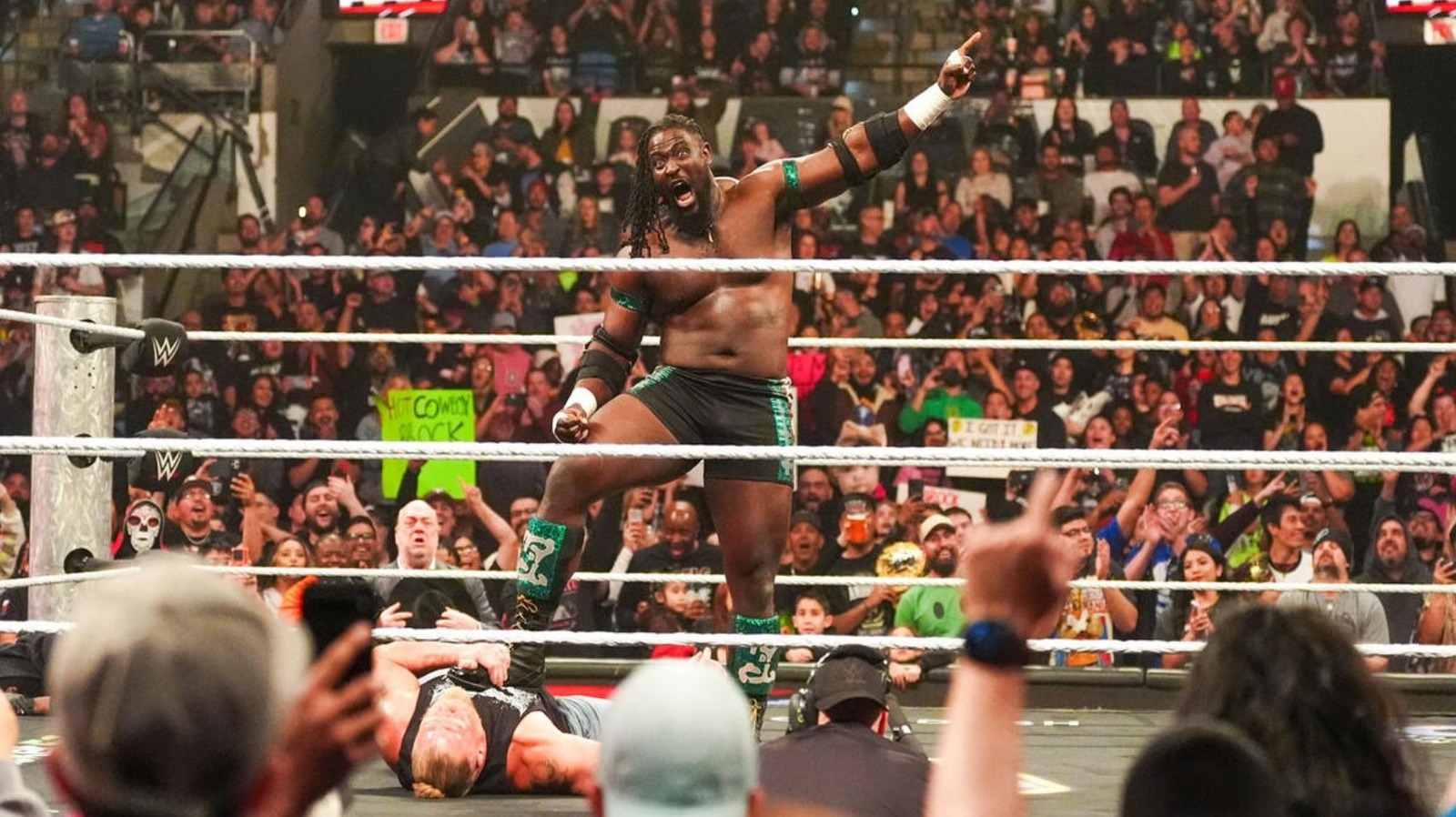
Taking a bump to the floor in a Bloodline match is essentially a death sentence. The moment you hit the mats, the numbers game swallows you whole. They are vultures.
The Pacing Problem in WWE Main Events
This brings me to my biggest issue with the current product. The booking relies way too heavily on melodrama over actual wrestling psychology. Every major title defense follows the exact same script.
The first fifteen minutes are a slow, grinding feeling-out process. Then we get a sudden burst of offense. Then, inevitably, a referee bump around the 25-minute mark.
It is lazy. It forces the performers to stall. They have to lie on the mat for three minutes while the crowd chants for a backup official. Cody is a fantastic worker, but he leans into this theatrical stalling too often. He needs to push the pace early and force the Bloodline out of their comfort zone.
Roman Reigns operates at a very deliberate speed. He likes to stalk. He uses his presence to intimidate. If Cody tries to match that slow pace, he will lose. He has to turn the main event into a track meet.
He needs to force quick scrambles. He needs to use his amateur wrestling background to secure quick takedowns. The longer the match goes, the more the math favors the Bloodline.
The Stadium Variable
Wrestling in a massive NFL venue like Allegiant Stadium fundamentally changes how a match is worked. The acoustics are completely different from a standard basketball arena. Sound travels slower. The roar of the crowd washes over the ring in a delayed wave.
Wrestlers have to adjust their timing. If you hit a high spot and immediately transition to the next sequence, you lose the crowd. You have to pause. You have to let the fans process what just happened.
Cody Rhodes is a master of this stadium pacing. He understands the theatrical pause better than anyone else on the roster. He knows exactly when to look hard-camera and milk a reaction.
But this delayed timing also gives the Bloodline an advantage. Every second Cody spends posing is a second the Bloodline uses to recover and reposition.
We also cannot ignore the emotional drain of Night 1. April 19 is going to be incredibly heavy. John Cena's farewell match is going to take a massive emotional toll on the audience.
When you watch a legend walk away, it drains your adrenaline. The crowd will be exhausted by the time Night 2 begins. CM Punk's major match on Night 1 will also feature intense, heated brawling that sets a very high bar for violence.
Cody and his opponent have the unenviable task of waking up a fatigued stadium on Sunday night. They cannot start slow. If they lock up and exchange wristlocks for five minutes, they will lose the building.
The Mechanics of Survival
This brings me to another significant critique of the modern main event. The insistence on long entrance walks.
At a stadium show, the walk down the ramp can take upwards of four minutes. The Bloodline will undoubtedly drag this out, turning their entrance into a slow, imperial march. It looks great on television, but it actively cools down the live crowd.
By the time the bell actually rings, the audience has been sitting on their hands for ten minutes. It forces the wrestlers to work twice as hard to re-engage the fans. It is a self-inflicted pacing wound that WWE refuses to fix.
Let's look at the defensive mechanics of the Bloodline. They utilize a distinct swarming technique when one of their own is in trouble. If their man is caught in a submission, they don't just break it up. They actively attack the joints of the aggressor.
If Cody locks in a Figure Four, he has to anticipate a kick to the back of the head. He cannot just sit back and apply pressure. He has to keep his eyes darting to the floor.
This constant state of paranoia is exhausting. Wrestling is difficult enough when you only have to focus on the man in front of you. Having to maintain a radar for thirty minutes physically drains the nervous system.
I've noticed Cody trying to mitigate this by staying strictly on the offensive. His recent matches show a drastic increase in strike volume. He is throwing more elbows, more stiff kicks to the thigh.
He is trying to chop down the tree before the forest can collapse on him. It is a smart strategy, but it requires a cardio base that few humans possess.
If he gasses out, the Bloodline will pick his bones. We have seen them do it a hundred times. They wait for the chest to heave, they wait for the hands to drop, and then they strike.
The Final Prediction
Let's break down the mechanics of the Cross Rhodes. It requires the opponent to be dazed. Cody hooks the head, spins, and drives them into the mat. But against a larger, stronger opponent, hooking the head is difficult.
If the opponent lowers their center of gravity, the move is instantly blocked. Cody needs to soften up the neck and back for thirty minutes before he even attempts his finisher.
This means we are going to see a heavy dose of targeted offense. Expect Cody to use dragon screws to limit mobility. Expect him to use DDTs to compromise the neck.
But the Bloodline knows this. They watch the same tape I do. They will actively protect against neck targeting. This chess match is what makes the impending clash so fascinating. It is a clash of styles, a clash of mentalities, and a clash of pure will.
I expect the crowd in Las Vegas to be red hot for this. WrestleMania 41 Night 2 is built entirely around this emotional crescendo.
The undercard will feature phenomenal athletic displays, but the main event is a psychological thriller. It is about whether the system can break the man, or if the man can break the system.
My confident prediction? We are going to see absolute chaos. The match will break down into a wild brawl that spills up the entrance ramp.
Cody will hit three consecutive Cross Rhodes. The referee will be out of position. The Bloodline will swarm.
But Cody has spent a year preparing for this exact scenario. He will have a counter-strategy. He will retain the WWE Championship, pinning his opponent in the middle of the ring at the 38-minute mark.
It won't be pretty. It won't be a technical masterpiece. It will be a brutal, ugly fight. And that is exactly what it needs to be.
Read Next
- The Usos just exposed Roman Reigns' biggest weakness ahead of Las Vegas
- WrestleMania 41 prep: The gear actually worth your money
- WrestleMania 41 needs Roman Reigns but the Bloodline desperately needs an ending
- Paul Heyman is right to be sick of the Bobby Heenan comparisons
- 🏆 WrestleMania 41 — Full Coverage Hub
- 💥 WWE Backlash 2026 — Full Coverage Hub
- 👑 Roman Reigns Return 2026 — The Tribal Chief