
Jinder Mahal's career deserves more than the meme status it earned
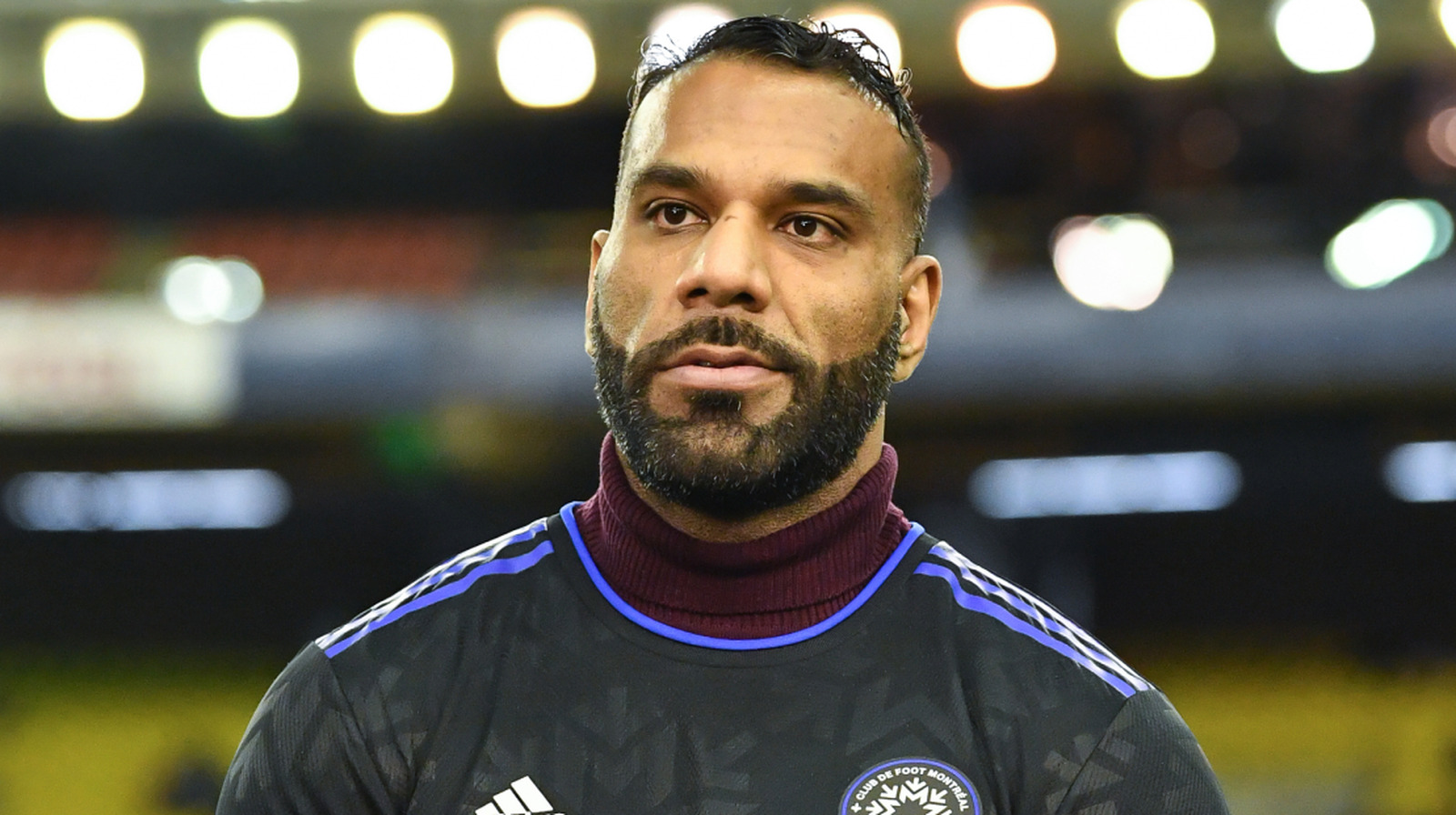
The Modern Day Maharaja's selective highlight reel
When a wrestler spends 12 years in the WWE, the history books often condense their career into a single paragraph of polarizing results. Raj Dhesi, best known as Jinder Mahal, recently reflected on his tenure with his favorite moments from his two separate stints. While social media often reduces his 2017 push to a punchline, analyzing his career require looking at the specific geometry of his transitions within the mid-card and main event roles.
Dhesi’s career didn't follow the linear ascent of a homegrown talent. He arrived in a corporate environment that struggled to reconcile his physical conditioning with the lack of underlying booking momentum. By the time he claimed the championship in 2017, the company was experimenting with a globalized narrative that arguably bypassed traditional character building.
The mechanics of a controversial title run
The 2017 championship reign is frequently analyzed through a lens of cynicism, yet the technical execution of his matches during that period displayed a reliance on classic heel tropes that many modern workers abandon. He utilized a methodical, slowed-down pace designed to frustrate opponents like Randy Orton, focusing on heavy headlocks and rest holds to emphasize the size disparity. This was not a crowd-pleasing style, but it was structurally sound for an antagonist meant to draw heat in an era where fan appreciation for work-rate often outweighs the narrative need for a credible villain.
However, the flaw in Dhesi’s elevation was the sheer speed of the pivot from jobber status to champion. He lacked the high-level match history that usually serves as a pedigree for main-event credibility. When you look at the statistics of his matches during that championship summer, the win-loss record felt disjointed because the audience had seen him lose effectively every exchange for the previous half-decade. The suspension of disbelief required to accept that transformation was simply too heavy for the fanbase to lift.
Beyond the Maharaja character
Dhesi's second run with the company, which concluded recently, offered a more seasoned presentation. He had moved away from the 2017 theatrics and leaned into a more grounded, aggressive persona. Watching his later tag-team work, one notices a tighter grasp on ring positioning and tag-team psychology that was absent in his earlier years. His ability to act as a pivot point for younger talent in the lower mid-card allowed him to stabilize matches that otherwise lacked focus.
Still, the critique remains: he was often positioned in storylines that prioritized external branding over internal ring chemistry. There were moments when his interference spots felt recycled, mirroring his 2017 tactics rather than evolving toward something fresh. A 12-year veteran should ideally be the anchor of a division, yet Dhesi’s best work often happened on the fringes of the major pay-per-view cards. When his role was clearly defined as a supporting antagonist, his performance metrics were consistent, but he lacked the spark required to elevate the bouts into the top-tier of the program.
History will likely be unkind to his championship reign, viewing it as a failed experiment in market expansion. Yet, credit is due for his longevity in a high-pressure environment that typically churns through roster members with alarming speed. He survived multiple management shifts and creative shake-ups, a feat that requires a type of professional durability rarely seen in the modern era of constant personnel turnover. Looking back, his career serves as a case study in what happens when the booking office invests heavily in a look rather than a narrative foundation.
Hitman: My Real Life in the Cartoon World of Wrestling
The brutally honest, definitive story from the best there is.
Frequently Asked Questions
Why was Jinder Mahal's 2017 WWE Championship win controversial?
What ring style did Jinder Mahal use during his championship run?
How did Jinder Mahal's wrestling persona change in his second WWE run?
What role did Jinder Mahal play for younger WWE talent later in his career?
What is the main critique of Jinder Mahal's WWE storylines?
More Coverage

IYO SKY bleeds for the cause and the internet loses its collective mind
an hour ago
NXT Heatwave is looming and the brand feels stagnant
2 hours ago
Alpha Academy’s implosion is the most compelling story on Raw
2 hours ago
Top 10: Analyzing the modern WWE roster and the volatile state of talent
2 hours ago
WWE sparks major return rumors with cryptic Raw vignette
2 hours ago
SummerSlam stakes are rising after chaotic Raw gauntlet
2 hours agoMore Analysis
IYO SKY bleeds for the cause and the internet loses its collective mind
an hour ago
NXT Heatwave is looming and the brand feels stagnant
2 hours ago
Alpha Academy’s implosion is the most compelling story on Raw
2 hours ago
The wrestling bubble is bursting and everyone has a theory
2 hours ago
Top 10: Analyzing the modern WWE roster and the volatile state of talent
2 hours ago