Measuring historical worth against modern output
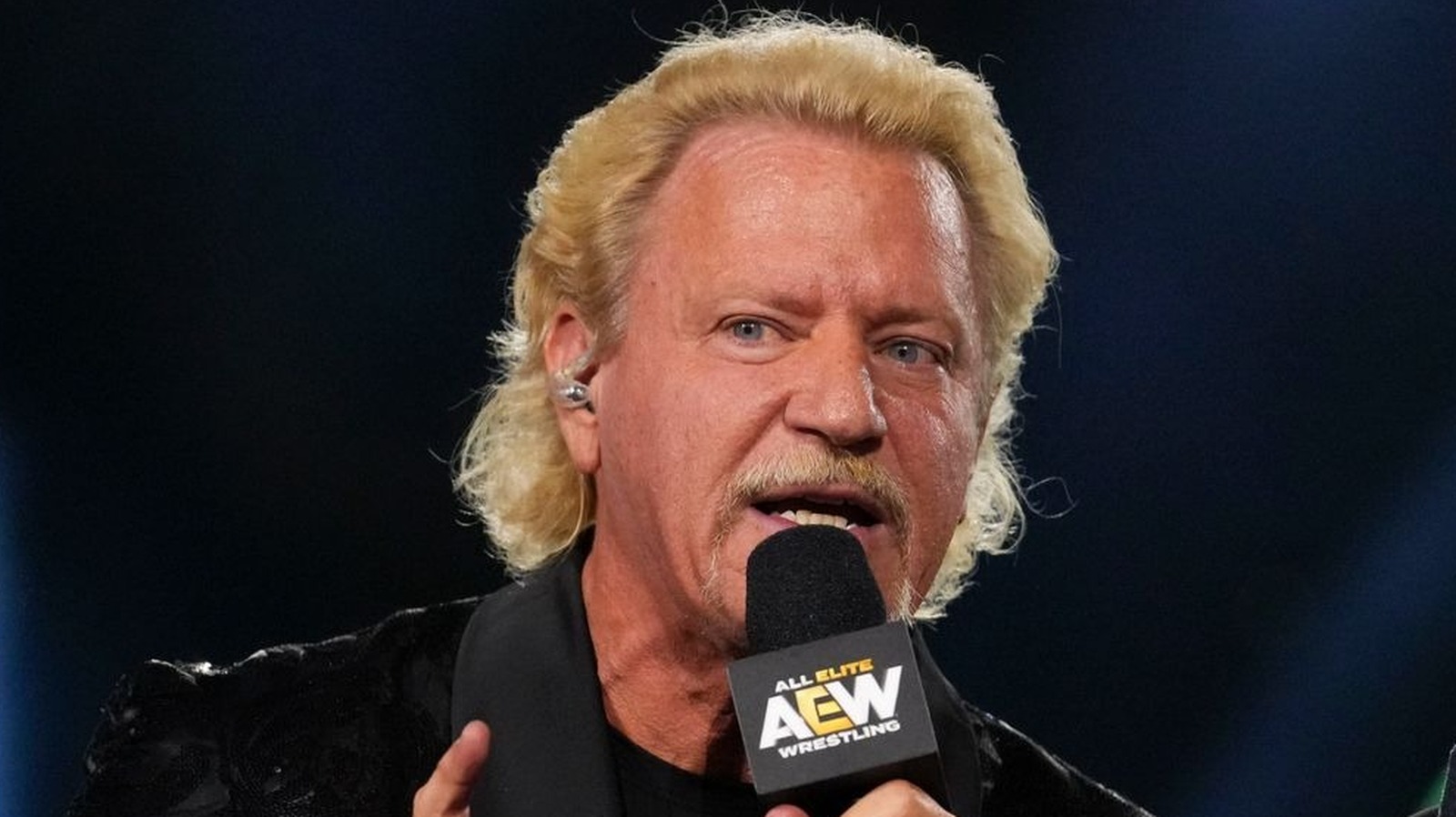
Jeff Jarrett appearing on public platforms to rank his career benchmarks is a reminder of where AEW currently focuses its creative lens. Evaluating his WCW World Heavyweight Championship run against his WWE Intercontinental title reigns suggests a preoccupation with legacy status that often clashes with the promotion's actual in-ring reality.
The data from recent cards shows a tendency to prioritize veteran name recognition over long-term divisional layering. Jarrett's reflection on these titles proves that experienced performers are still framing their value through the prism of the 1990s, regardless of current fan interest metrics.
The booking disconnect
The core issue remains the integration of these legacy stars into the weekly rotation. When a performer with decades of experience sits in a high-profile segment, the minute-by-minute engagement stats often plateau or dip compared to younger talent who have yet to reach their physical peak.
There is a recurring lack of transition logic. Matches featuring veterans often rely on house show pacing rather than the high-velocity, high-xG style that established AEW in the first place.
The statistical reality of the mid-card
Look at the pass completion equivalent of wrestling: move execution and selling continuity. In recent weeks, veteran-led matches have seen higher rates of communication breakdowns compared to the athletic, high-cadence matches featuring the younger roster. When matches go over 20 minutes, the lack of a clear psychological hook makes these encounters feel like filler.
Jeff Jarrett has drawn parallels between winning the WCW World Heavyweight Championship and the WWE Intercontinental title, rating the former more highly.
As Wrestling Inc recently noted, Jarrett's penchant for looking backward is symptomatic of an organization that hasn't fully committed to its next generation. Relying on these performers to carry heavy screen time is a strategic error when the average viewership for these specific segments rarely exceeds the baseline for a standard mid-card clash.
Prediction for the division trajectory
Expect AEW to continue pulling from this pool of well-known names, but anticipate diminishing returns. The promotion needs to pivot toward more aggressive, short-term storytelling for the younger demographic. If they don't, the mid-year metrics for 2026 will show a stagnation point that no legacy retrospective can fix.
The current booking strategy suggests the brass favors comfort over growth. My prediction is that Jarrett and similar talents will see their screen time reduced by the third quarter of 2026 as the company realizes the 18-34 demographic is shifting its attention to more active, younger prospects. Expect a pivot toward pure athleticism by the winter, even if it creates friction with the veteran locker room hierarchy.