The 2.5-hour sprawl of AEW Collision
AEW is pushing the temporal limits of professional wrestling with their latest "Summer Blockbuster" event. Stretching to a 2.5-hour runtime on TNT and HBO Max, the show tries to justify a dense card with four women’s matches, doubling down on the division during a critical mid-year squeeze. Scheduling this much content ignores the diminishing returns of modern TV wrestling windows.
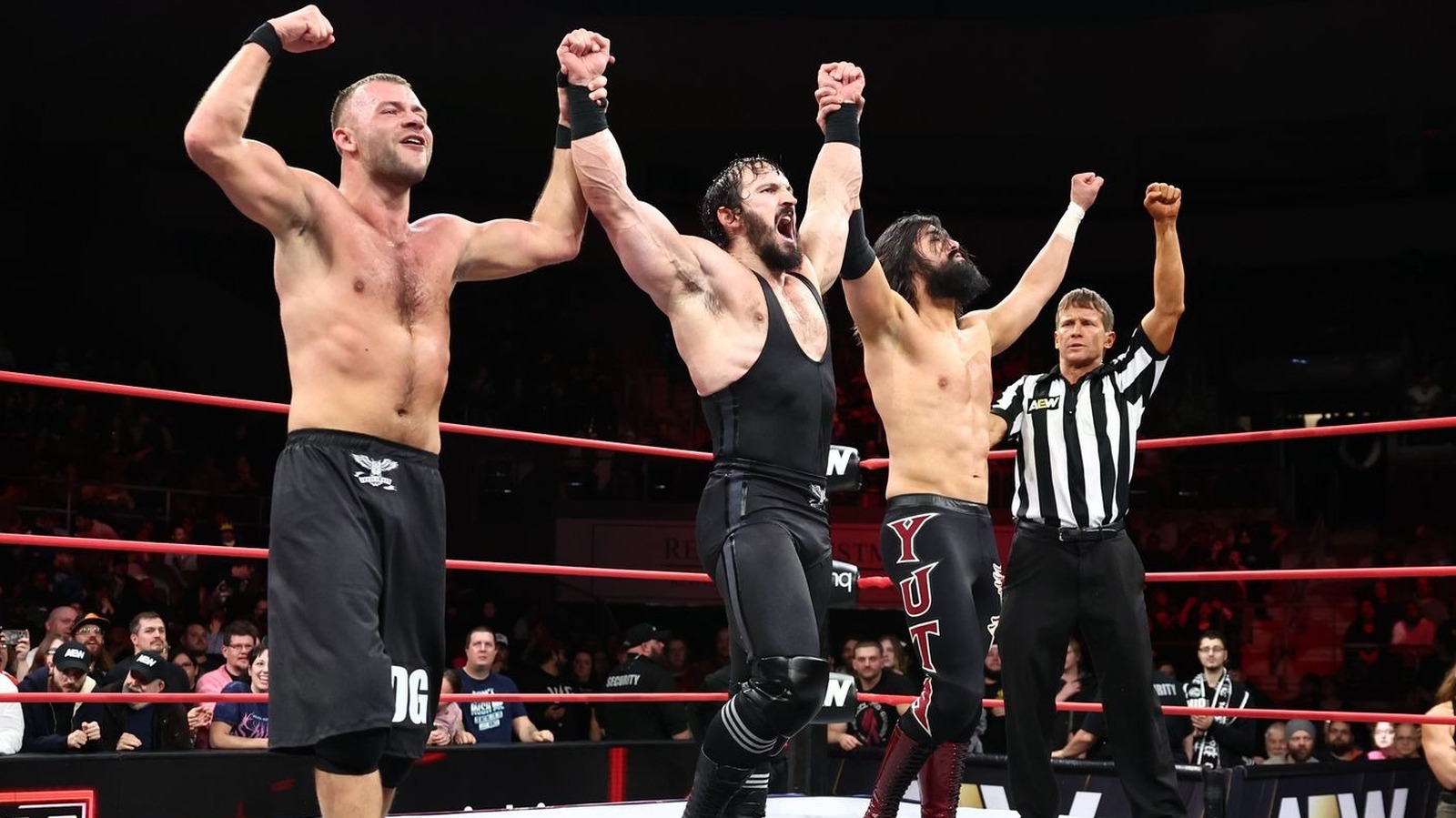
The June 13 event, as reported by Wrestling Inc, was a disjointed affair. While the Cincinnati Street Fight anchor provided high-intensity spots, the decision to cram two Survival of the Fittest qualifying matches into one broadcast felt like checking a box rather than building momentum. When you book a card this heavy, individual feuds get lost in the noise.
The TNT Championship paradox
Kevin Knight secured his position as TNT Champion by besting Myron Reed, a victory that underscores the current booking philosophy. Knight, who escaped the ring with hardware still in hand, represents a tactical shift in how AEW handles its secondary titles. As noted in the recent coverage, title defenses are becoming less about long-term reigns and more about high-velocity, short-notice booking.
This reliance on constant defense is a gambler’s play. It protects the belt from stagnating but risks devaluing the prestige the TNT Championship once held. Knight’s retention was efficient, but the lack of a secondary story arc surrounding his win makes the next defense feel like an immediate afterthought rather than an event.
The Athena and Maya World factor
Booking Athena against Maya World for the upcoming slot is technically correct but strategically hollow. Recent F4WOnline reports confirm this matchup, yet the move feels disconnected from the broader divisions seen in Friday's broadcast. When you have four women's matches on a single card, the average match time inevitably drops toward the 8-10 minute mark.
This isn't just about roster turnover; it is about production capacity. By squeezing this number of bouts into a 150-minute window, the company sacrifices ring storytelling for pure volume. Even the most technically sound performers cannot hit a 4.5-star cadence when the clock is the primary opponent. The result is a rinse-and-repeat cycle where the audience is expected to invest in new faces every seven days without a proper thematic hook.
What the numbers miss
The danger here is a race to the bottom in viewer engagement metrics. AEW is currently operating on a volume-based strategy, flooding airtime to combat potential churn. However, looking at the video highlight package from the recent taping, the engagement suggests that viewers are cherry-picking content rather than watching the full block. When you provide 150 minutes of product, you invite dispassionate consumption.
Ultimately, stacking the deck only works if the audience stays for the main event. By splitting the attention between title defenses and tournament qualifiers, the promotion creates a paradox where every match is supposedly big, meaning none of them land with the impact of a true blockbuster. Booking is a game of subtraction, not addition. Until the management team realizes that, they will continue to produce shows that look strong on paper but feel hollow in the ring.