The Double J Pivot
For years, wrestling veterans treated Dark Side of the Ring like it was a SWAT team raid on their backyard. If you were a guy who grew up in the territory days, the show was the enemy. It was the shadowy journalist lurking in the corner ready to document how your knees gave out or how the pills ran out. Jeff Jarrett was right at the front of that line, viewing the program as little more than a vultures-and-garbage exercise in exploitation.
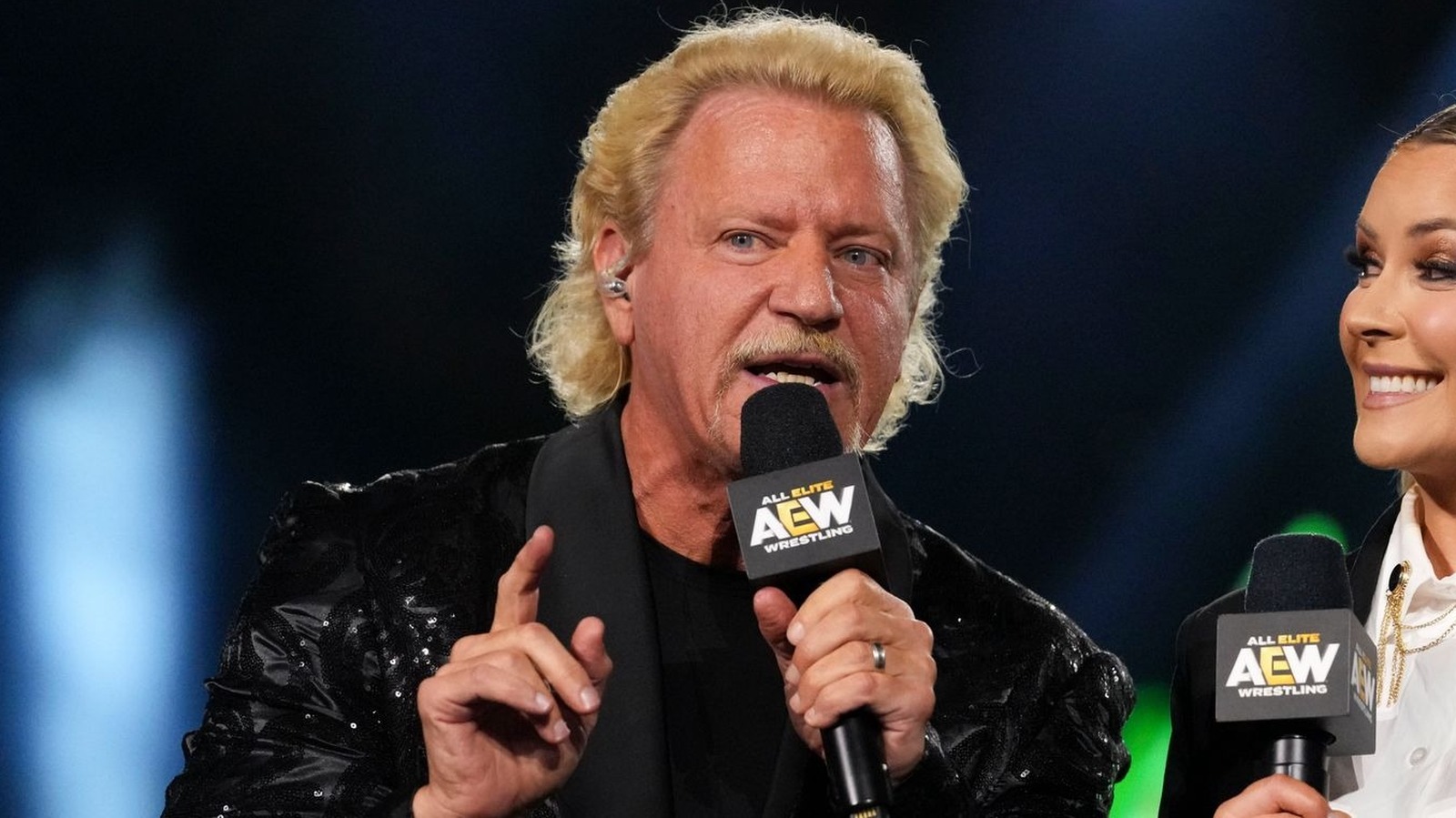
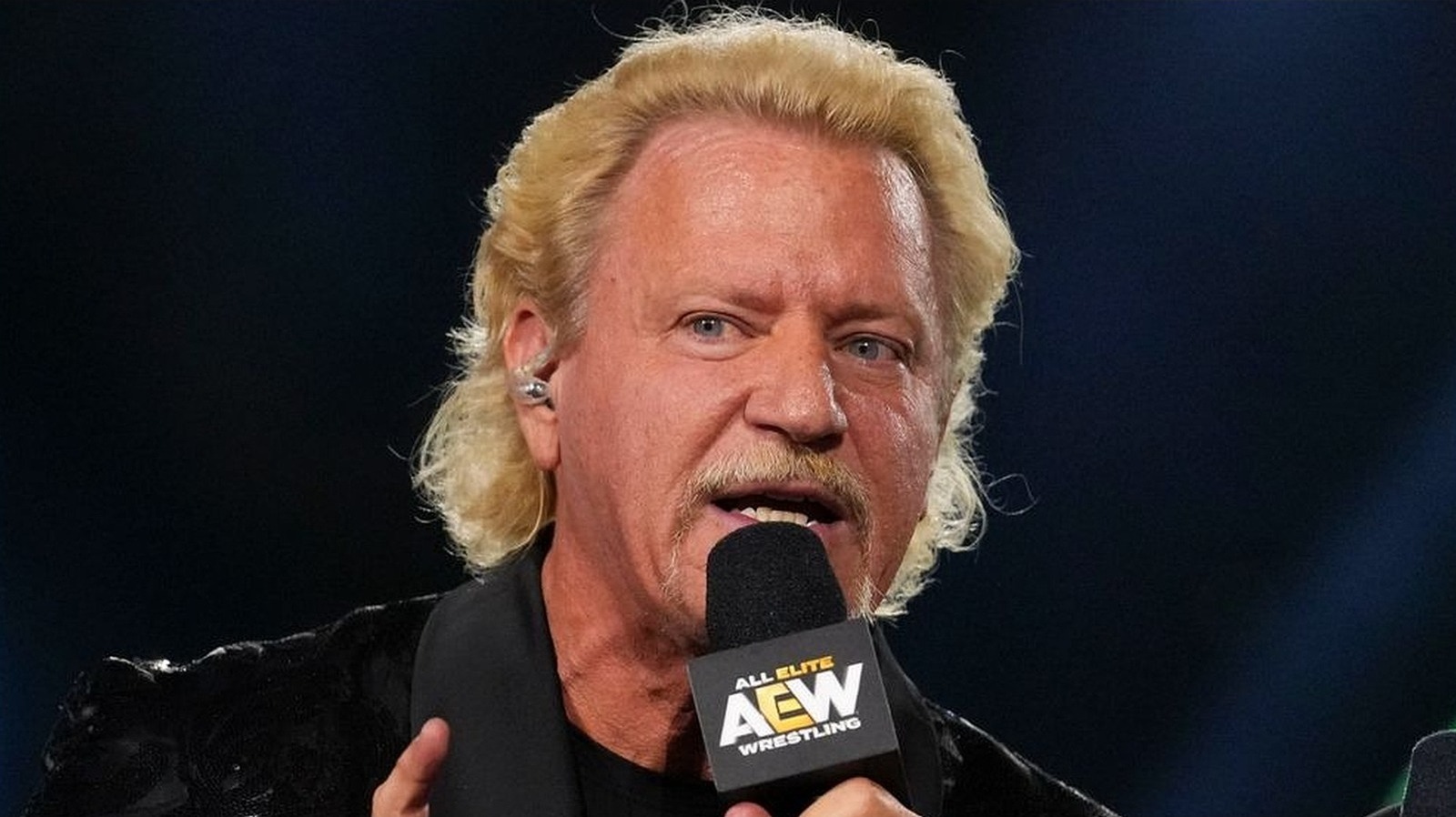
Then, something shifted. Jarrett recently admitted that his perspective on the series has undergone a total transformation. It turns out, when you actually stop viewing every piece of media as an indictment of your life's work, you might realize it is documenting history. As reported by Wrestling Inc, the man who once thought the show was purely out to bury the industry now sees the value in the archive.
The Burden of the Territory Days
Jarrett is one of the last high-level guys who lived through the transition from regional promotions to the national expansion model. He knows where the bodies are buried—mostly because he probably worked a card in an armory with half of them. His initial instinct to bark at the show makes sense. If your entire life was defined by protected locker room secrets, a docuseries analyzing the darkest hours of your peers feels like a betrayal.
But wrestling history is often a cesspool of bad decisions and dangerous habits. Ignoring the reality of the territory years doesn't make the pain go away. Jarrett realized that providing context isn't the same as holding a grudge. It is the difference between a work-shoot promo and actual archival journalism.
The Booking of His Own Biography
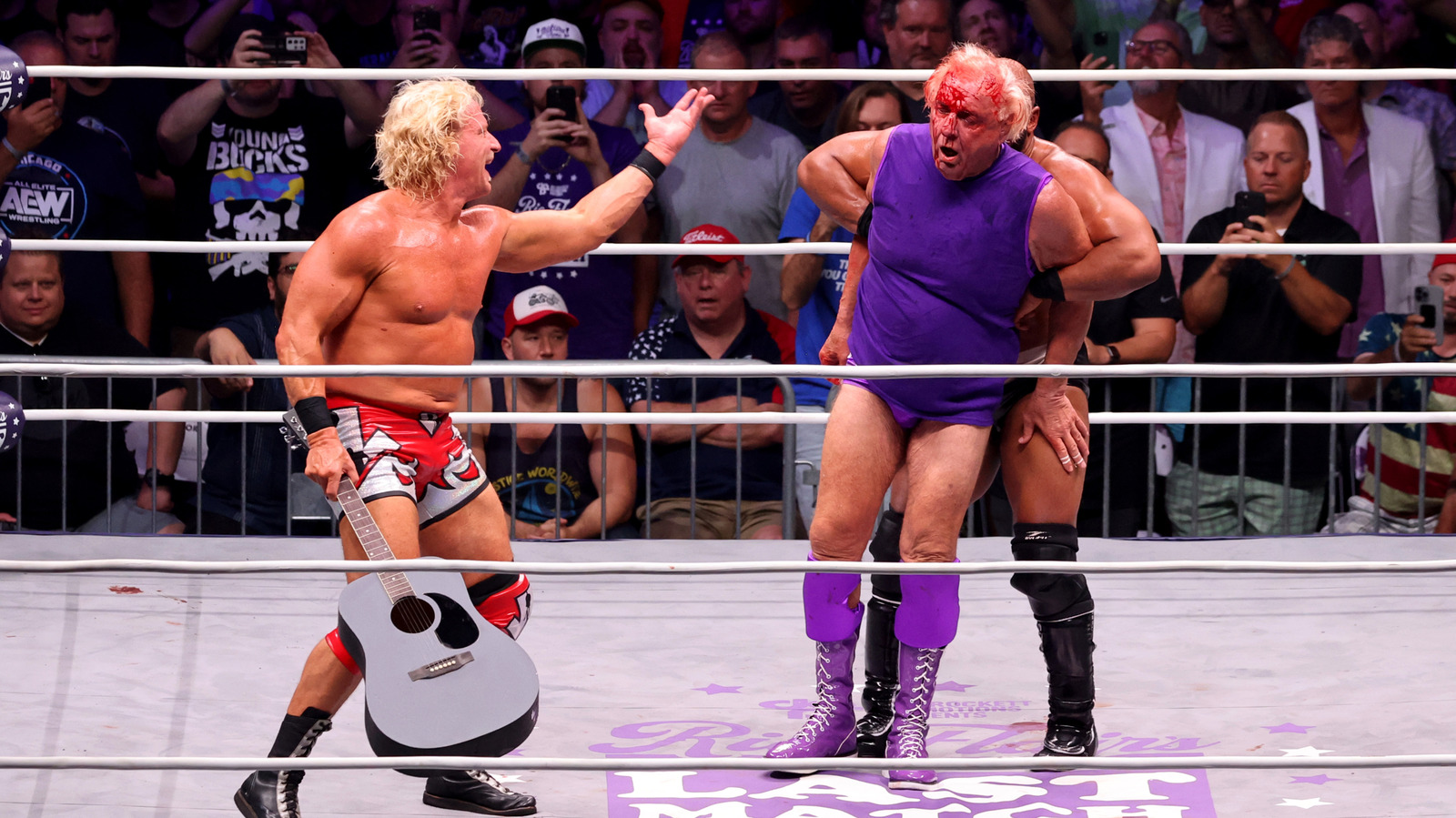
Let's be real for a second. The wrestling business loves to hide behind the veil of kayfabe even when the show is long over. Jarrett’s change of heart is essentially a realization that his own legacy is better preserved by the truth than by the silence. He spent decades in the ring with a guitar in his hand, often playing the villain. He knows how to read a crowd. He finally read the room on this documentary series.
However, we shouldn't act like this erases the flaws of the series. Some episodes still feel like a desperate grab for morbid curiosity points rather than deep dives. The producers occasionally lean too hard into the melodrama of a 1980s tragedy. Jarrett’s support doesn't mean the show is flawless journalism; it just means the people who lived it are finally tired of running from the cameras.
It takes a certain level of security to stand up and say you changed your mind on something this polarizing. Jarrett isn't just a WWE Hall of Famer; he is a guy who has seen the business from every angle—including running a promotion that hit some serious turbulence. He understands that the stories told in these episodes are part of the fiber of this sport. Whether he is talking about the risks of the business or the legends who didn't survive the grind, he is finally playing ball with the reality of his own career. That is a 180-degree turn for a man who previously treated the show like a heel turn against his friends.