The Monday night transition that everyone saw coming
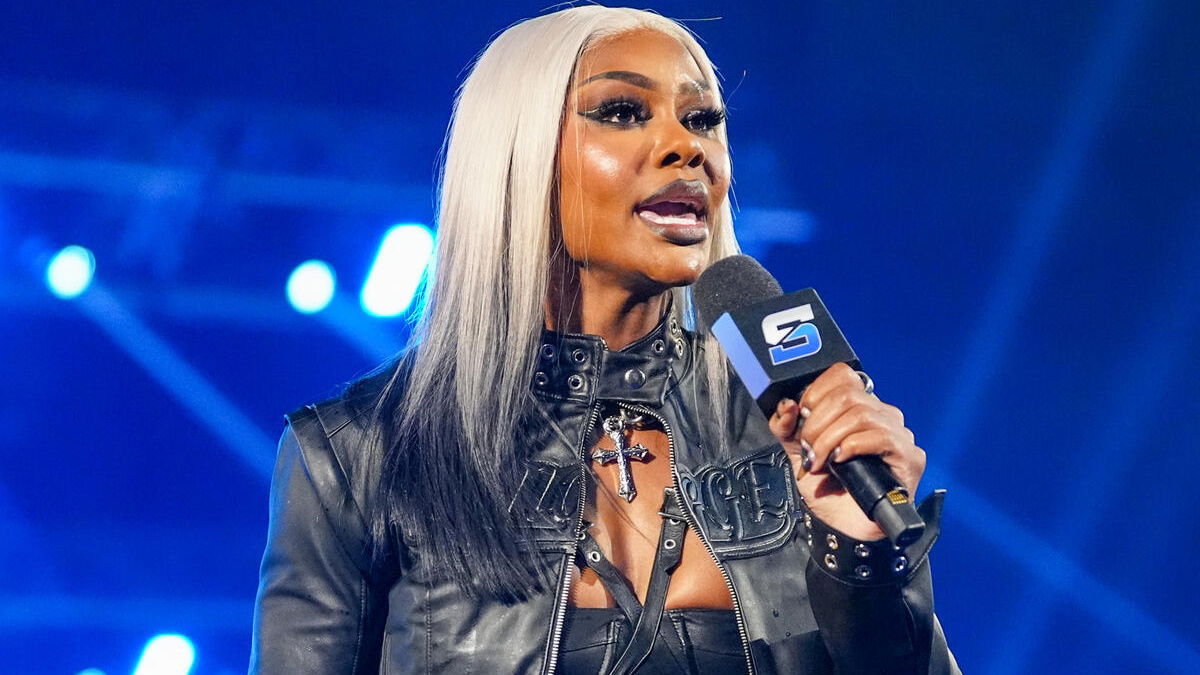
The post-WrestleMania vacuum usually fills itself with rumors of contract expirations and creative reboots, but the most telling data point from the last seven days wasn't a return or a debut. It was a simple absence. Jade Cargill was missing from the April 24 episode of SmackDown, and while the initial chatter leaned toward injury or fatigue after the Allegiant Stadium spectacle, the reality is much more tactical. Cargill is effectively signaling the end of her blue-brand tenure, and the mechanics of the WWE schedule are the primary driver.
For a performer of Cargill's profile, the Friday night production loop is a logistical hurdle that often clashes with the high-stakes branding opportunities she maintains outside the ring. On the most recent episode of SmackDown, her absence left a noticeable hole in the mid-show pacing. This wasn't just a missed date; it was a trial run for a division without its most physically imposing asset. As recent reports have indicated, Cargill herself has been vocal about the fact that Monday Night RAW offers a workflow that better suits her professional requirements.
Why the three-hour window changes everything for Jade
The shift from a two-hour Friday broadcast to a three-hour Monday night slot isn't just about adding sixty minutes of television. It is about the breathing room required for a developmental project that is being polished in front of millions. Cargill’s transition has been unique because she famously bypassed the traditional Orlando-based refinement system. When she discussed skipping NXT, she framed it as a business decision, but the tactical fallout is visible in every match that goes past the seven-minute mark.
On RAW, the pacing allows for longer vignettes and more substantial non-wrestling segments that can mask the technical gaps while she continues to find her rhythm. SmackDown is a sprint; RAW is a marathon. For someone still learning the specific cues of the WWE production style, having that extra hour of broadcast space is the difference between a rushed three-minute squash and a multi-segment story that builds her aura. The data suggests that her most effective segments are those where she has the space to dominate the frame without the pressure of a ticking clock.
The technical tax of skipping the Performance Center
We need to be honest about what we are seeing in the ring. Cargill is a generational physical specimen, but the decision to bypass NXT has created a visible ceiling on her current match quality. During her high-profile tag match at WrestleMania 41, there were at least three instances where her positioning on Irish whips led to awkward collisions. This isn't a lack of effort; it's a lack of the repetitive, low-stakes reps that Orlando provides. She is essentially doing her internship during the Super Bowl.
The lack of zero matches in the NXT system means her footwork in the 8th minute of a match often reverts to the static, reactive posture seen in her early years. She frequently waits for opponents to find their marks rather than leading the dance. This is the critical flaw in her current presentation: she looks like a world-beater until the match requires a complex transition or a high-speed counter. Moving to RAW doesn't fix the footwork, but it gives the writers more tools to protect her while she catches up to her own hype.
The draft-day inevitability
WWE is currently preparing for the 2026 Draft, and Cargill is the most logical candidate for a brand switch. The SmackDown roster is currently heavy on technical workers like Bayley and Naomi who thrive in fast-paced, 12-minute television matches. RAW, conversely, is becoming the land of the giants. A move to Monday nights places her in a environment with Rhea Ripley and Nia Jax—opponents who can match her power and, more importantly, lead her through the technical sequences she occasionally stumbles over.
Moving to WWE RAW might not just make sense for her career — it could be the specific catalyst needed to turn a physical marvel into a consistent main-eventer.
The betting lines for the draft should reflect this reality. Cargill has essentially outgrown the Friday night experiment. Her absence from the post-WrestleMania SmackDown wasn't a fluke; it was the first step toward a Monday night coronation. The schedule fits, the roster depth fits, and the corporate branding goals align perfectly with a flagship show presence. If she stays on SmackDown, she risks being exposed by the relentless pace of a two-hour show that has no room for developmental growing pains.
The final verdict on the Cargill move
Expect Jade Cargill to be the #1 female pick for RAW in the upcoming draft. The logic is too sound to ignore. By moving to Mondays, she gains a 168-hour reset period between her primary television obligations and her weekend media appearances. This isn't just about being a star; it's about the sustainability of a performer who is being asked to carry a brand while still learning the fundamentals of the house style.
The negative observation remains: her in-ring timing is still a 4 out of 10 compared to her peers. She misses cues, she hesitates on high-impact spots, and she relies too heavily on the Jaded finisher to save a clunky match. But WWE isn't in the business of five-star technical clinics when they have a star who looks like she was carved out of granite. They will move her to RAW, give her the Monday night spotlight, and hope that the extra hour of television provides enough cover for her to eventually become the wrestler her physique says she already is.
My prediction is firm: Cargill will debut on RAW before the end of May. The SmackDown chapter is closed. The Friday night grind was a necessary introduction, but the Monday night stage is where the real investment begins. Watch the draft order closely; if she isn't the first woman off the board for the red brand, it will be the biggest booking surprise of the year.