The Big Picture
The professional wrestling world underwent a total structural realignment during the third week of April 2026. From the emotional transition of the sport's biggest icons in Las Vegas to the hard-hitting championship shifts in Hiroshima, the industry has never moved faster. These are the moments that defined the week, separating the legitimate contenders from those merely holding a spot on the card.
10. The Mid-Card Shuffle
The fallout from the weekend exposed a hollow mid-card that desperately needs rebuilding before the summer. With the top stars locked into massive, multi-month angles, the secondary titles felt entirely neglected.
A thrown-together fatal four-way on television highlighted the lack of direction for several highly paid talents. The sequences were sloppy, the timing was off, and the crowd completely checked out by the third minute. The creative team has entirely abandoned the concept of competitive mid-tier wrestling.
9. The Glaring Absence of Future Planning
In previous years, the location for the next massive stadium show was a heavily hyped announcement, but the silence regarding any 2027 event is deafening. The company clearly has not finalized a venue, a staggering administrative lag for an event that requires years of municipal planning.
Speculation ran rampant all weekend, distracting from the actual matches. This delay points to internal friction and a lack of long-term vision under the current leadership structure. Fans expecting a grand reveal were left with nothing, a strange anti-climax that closed out an otherwise monumental weekend.
8. The Immediate Pivot to Backlash
The lack of breathing room following WrestleMania 41 is a structural flaw in the current booking cycle. We are already staring down the barrel of WWE Backlash on May 9, leaving exactly 13 days to build a premium live event card.
The television episodes this week felt frantic, rushing to set up rematches without letting the consequences of Vegas settle. It forces the talent to transition from emotional peaks straight into thrown-together feuds. The relentless schedule is burning out the creative team and exhausting the audience.
7. The Hiroshima Championship Shift
While the North American scene was consumed by Allegiant Stadium, the Japanese wrestling circuit saw a massive title change in Hiroshima. The bout was a stiff, unrelenting showcase of strong style that made the Vegas main events look soft by comparison.
The challenger absorbed an ungodly amount of punishment before hitting a desperate lariat to secure the pinfall at the 22-minute mark. It was violent, concise, and perfectly paced. The only negative was the sparse attendance, a disappointing turnout for a match of this caliber.
6. The Vanishing in Las Vegas
The terrifying situation surrounding the missing UK fan cast a heavy, unavoidable shadow over the post-WrestleMania celebrations. As the production trucks left Nevada, the wrestling community mobilized online, led by veterans like Natalya signal-boosting the search efforts.
The response from the corporate side has been muted, a silence that feels cold given the circumstances. Fans travel across the globe for this event, and the failure to ensure basic safety in a chaotic environment is a glaring issue. It is a sobering reminder of the logistical nightmares that accompany stadium shows.
5. The Bloodline's Implosion
Roman Reigns stood in the ring after Night 2, watching his family's grip on the company finally slip entirely. The post-match angle was long, perhaps five minutes too long, but it effectively hit the reset button on a faction that had dominated the top of the card for years.
Reigns' facial expressions told the story better than any promo could, oscillating between fury and devastating realization. The segment dragged, relying too heavily on dramatic pauses rather than action, killing the momentum of the live crowd. The execution was sloppy, but the narrative weight was immense.
4. Logan Paul's Podcast Admission
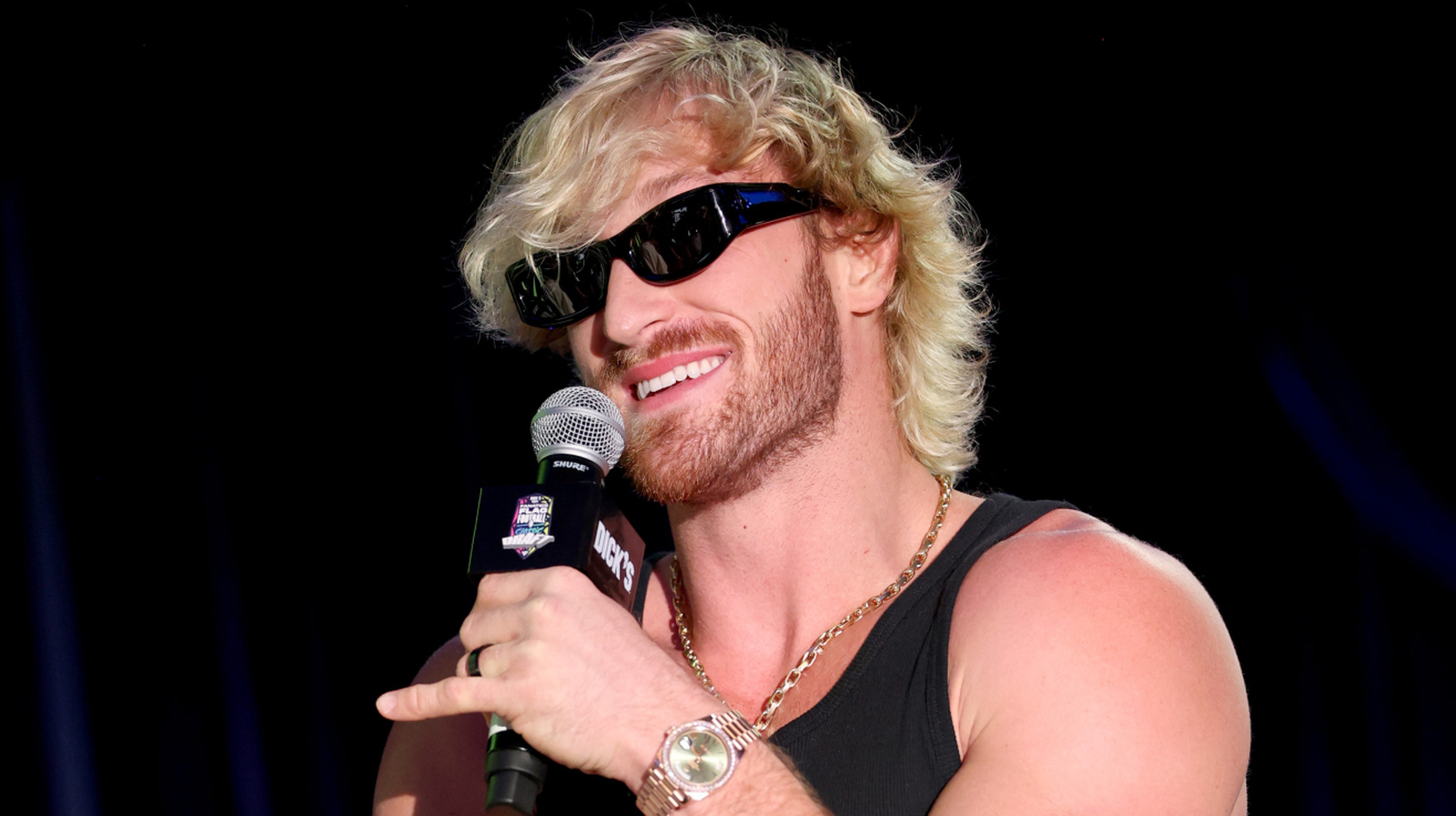
The timing of Logan Paul's appearance on the "What's Your Story?" podcast could not have been more calculated or poorly judged. Days after the biggest weekend of the year, Paul chose to discuss his relationship with Vince McMahon, the man who originally signed him.
It pulled focus from the in-ring product and dragged backstage controversies into the light just as the company tried to pivot to Backlash. Paul remains an undeniable athlete, but his insistence on inserting himself into executive-level narratives is exhausting. It was a misstep that annoyed the locker room and frustrated fans.
3. CM Punk's Major Match Return
CM Punk arrived at Night 1 with the singular goal of proving he still belonged in the main event conversation, and he largely succeeded. The match was a grueling, ground-based affair that played to his technical strengths rather than exposing his declining speed.
He targeted his opponent's knee relentlessly, a brilliant piece of psychology that paid off down the stretch. However, the finish felt rushed, a sudden sequence of counters that ended the match before it reached a true crescendo. It was a sharp reminder that while the mind is still elite, the physical timing isn't always perfect.
2. John Cena's Farewell at Allegiant
Nobody wanted to see John Cena leave his boots in the ring on Night 1, but the execution of his final match at Allegiant Stadium left a bitter taste for some purists. The pacing was deliberately slow, masking the physical limitations of a man who has given his body to this industry for two decades.
The pop when his music hit was deafening, but the actual in-ring work felt like a nostalgia act rather than a competitive contest. He missed an important spot in the corner midway through the bout, a rare botch that broke the immersion. A flawed match, but an undeniable moment.
1. Cody Rhodes Defends the Crown
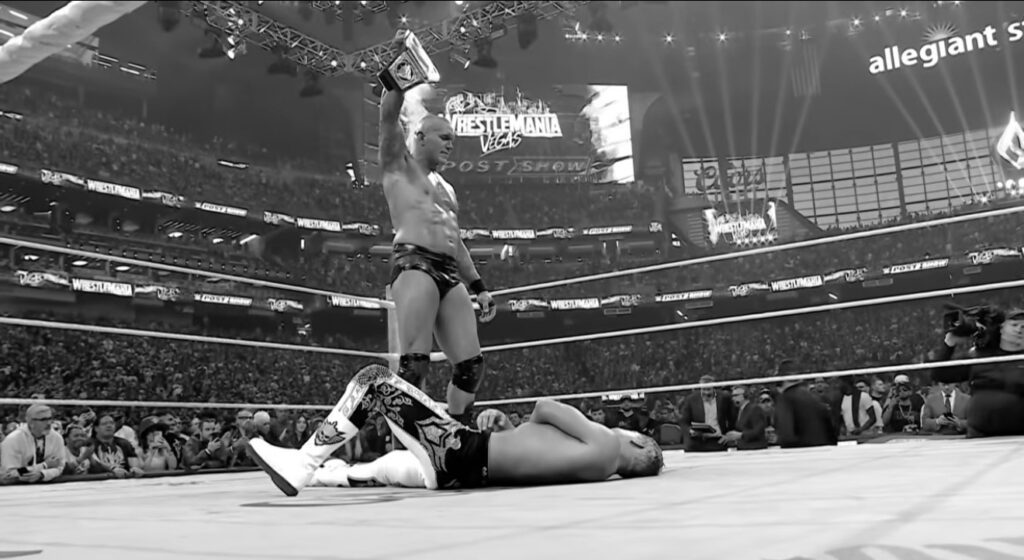
Cody Rhodes didn't just defend the WWE Championship at WrestleMania 41 Night 2; he survived a coordinated assault that exposed the cracks in his reign. The Allegiant Stadium crowd watched as the Bloodline threw every available body at the champion.
Rhodes countered the chaos with a desperate, brawling style we haven't seen since his return. The booking was flawed, dragging down the pace in the middle segment, but the sheer emotion carried it through. This wasn't a clean win, and that vulnerability is exactly what makes his next defense so compelling.
Honorable Mentions
The rapid ticket sales for AEW Double or Nothing on May 24 deserve a nod, proving there is still an appetite for alternative programming. Additionally, the sheer logistical feat of breaking down Allegiant Stadium and shipping the staging across the country in under 48 hours is an unsung triumph of the production crew. Neither moment fundamentally changes the on-screen product, but both keep the industry machine moving.