The Cardinal Sin of the Indies
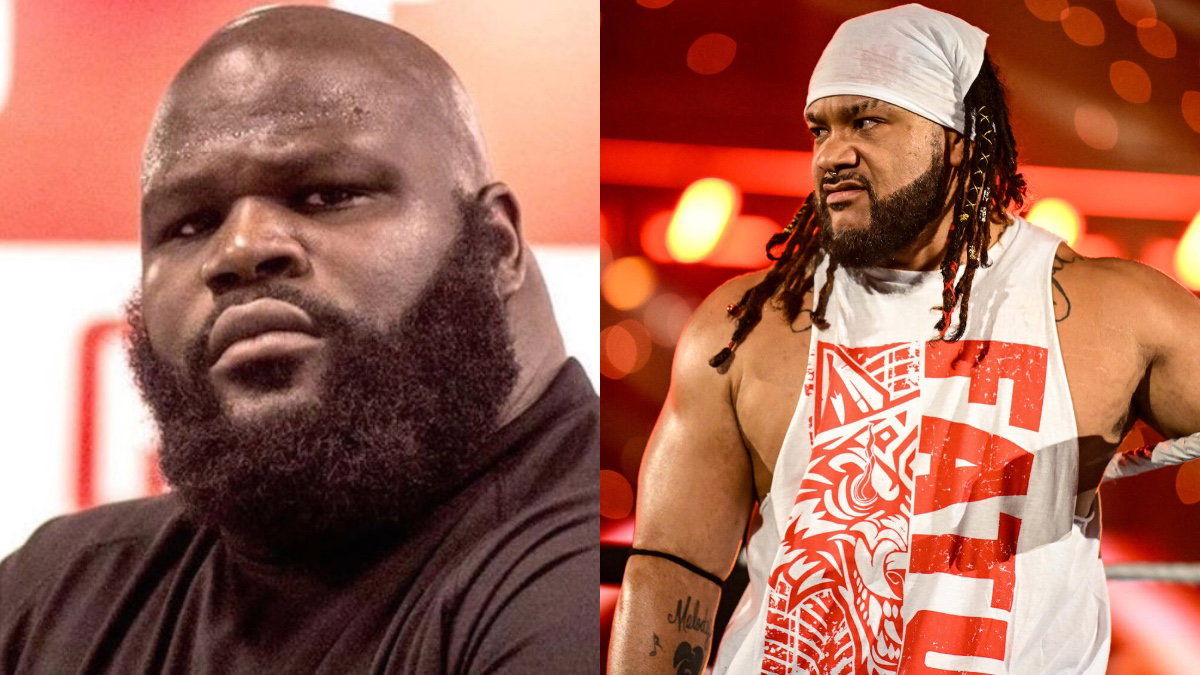
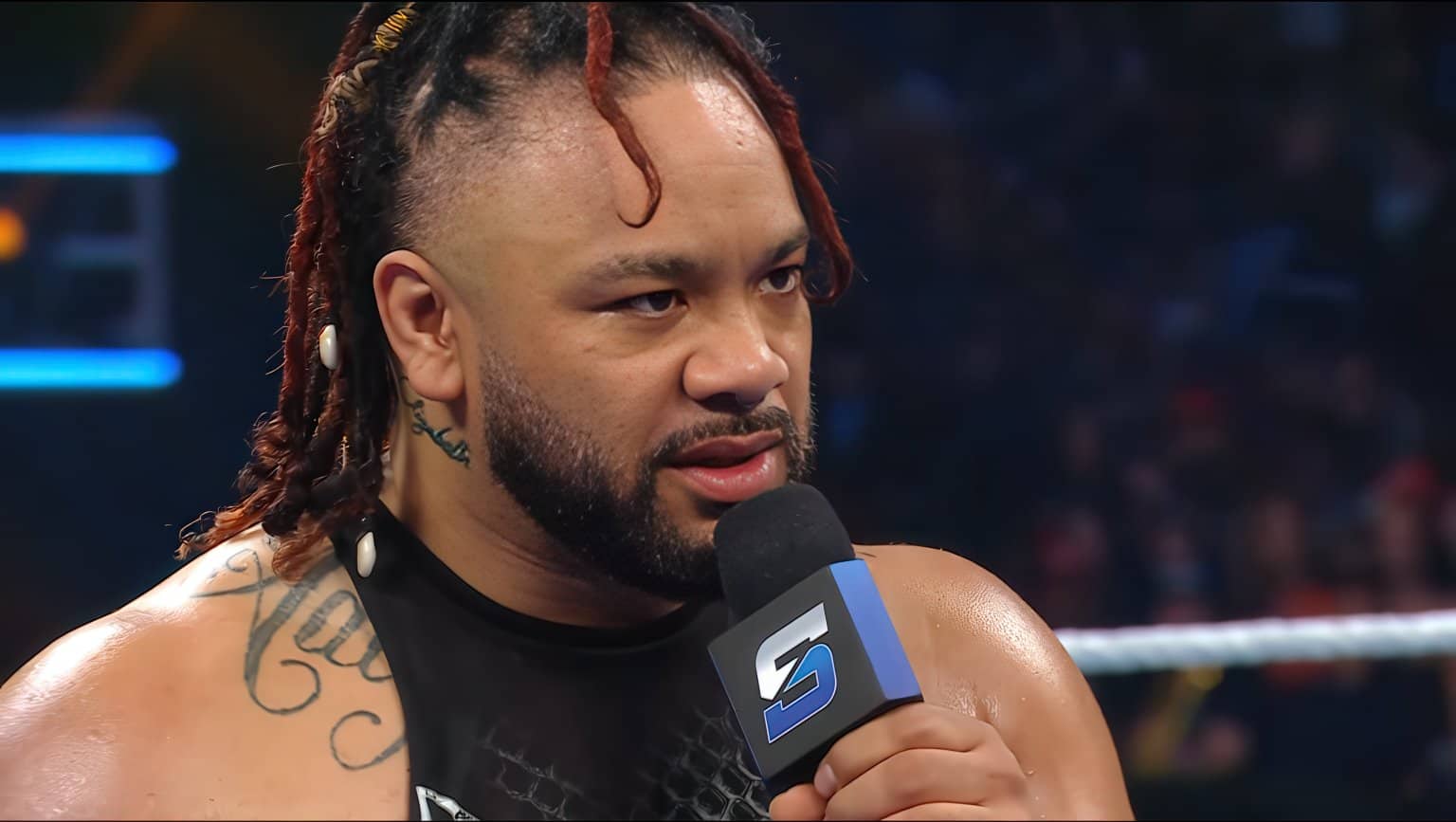
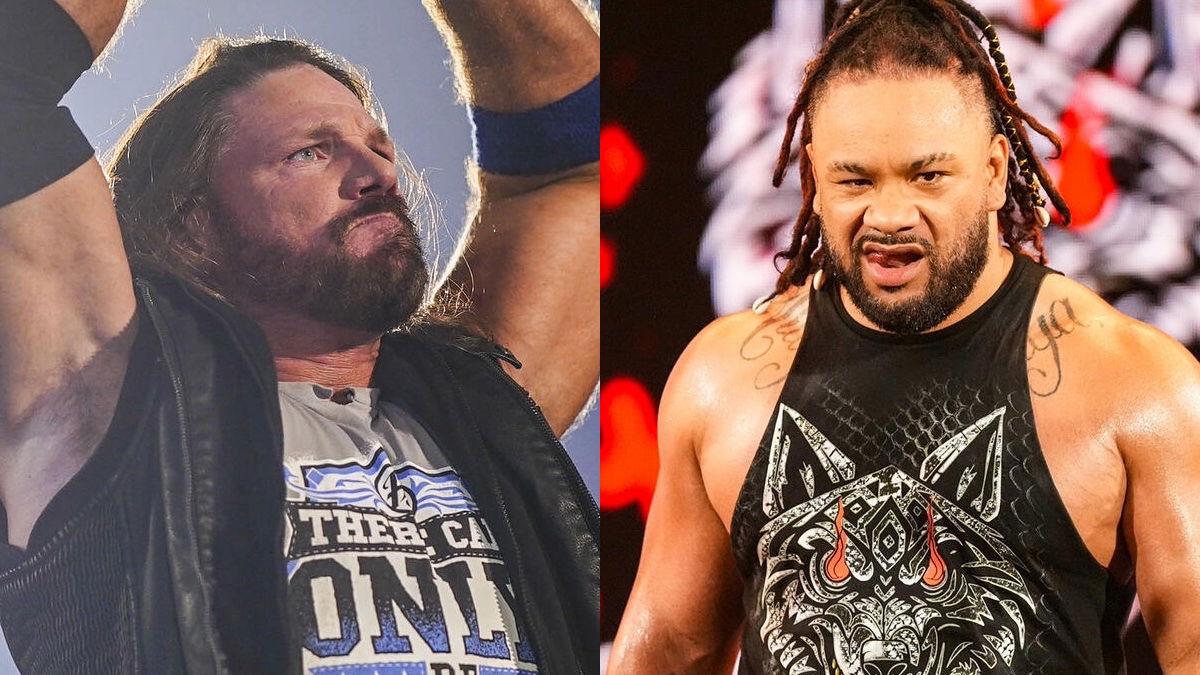
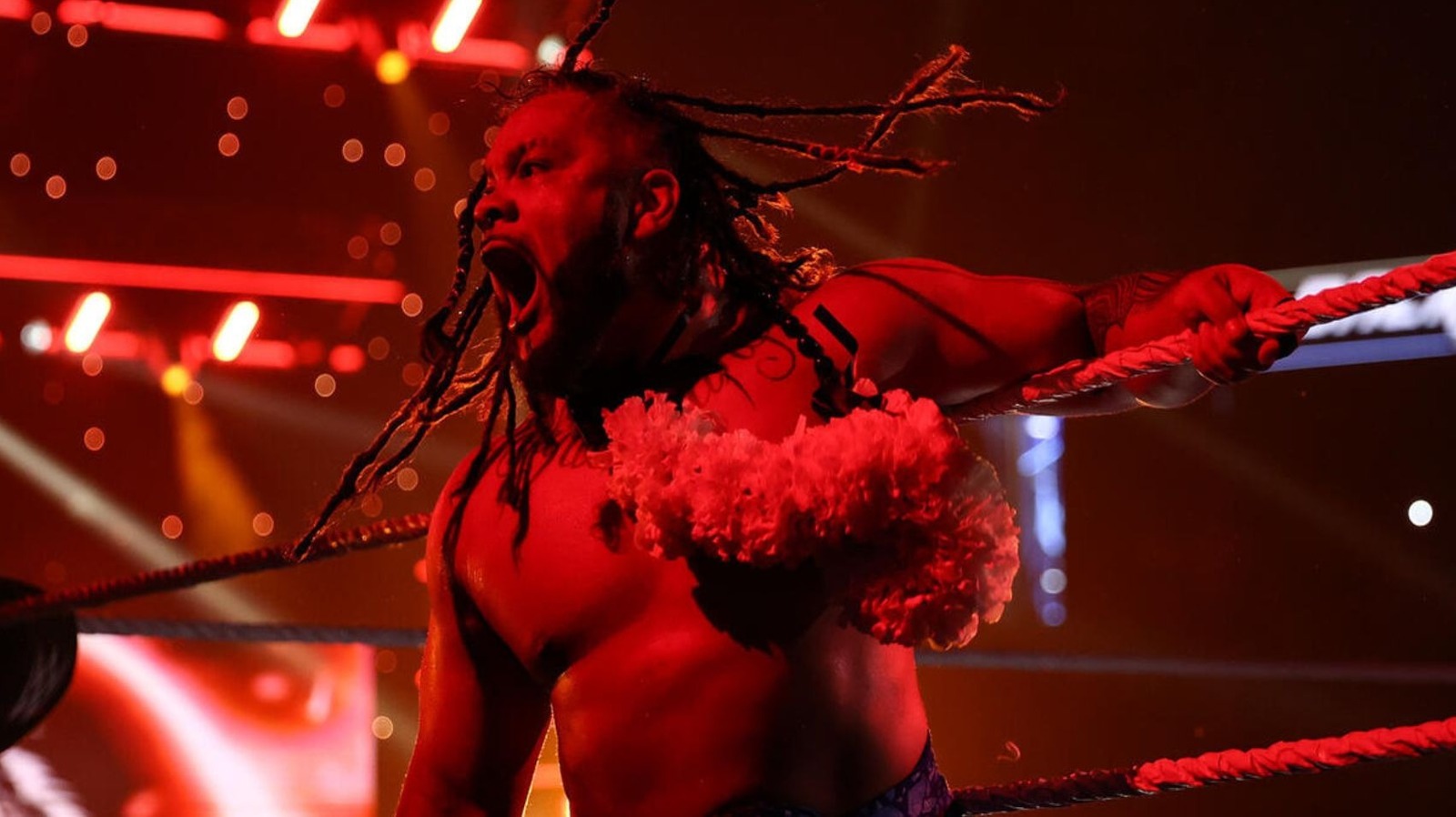
Jacob Fatu is currently tearing through the WWE roster as the most dangerous element of the new Bloodline. He moves with a terrifying mix of power and agility, hitting springboard moonsaults that men his size simply should not be attempting.
The crowds have instantly bought into him. The merchandise is moving. The television ratings spike when he clears the ring. He looks like a lock for main event status.
But the Samoan Werewolf's arrival on national television was not a straight line. It was delayed by contract situations, a long stint on the independent scene, and a few self-inflicted wounds.
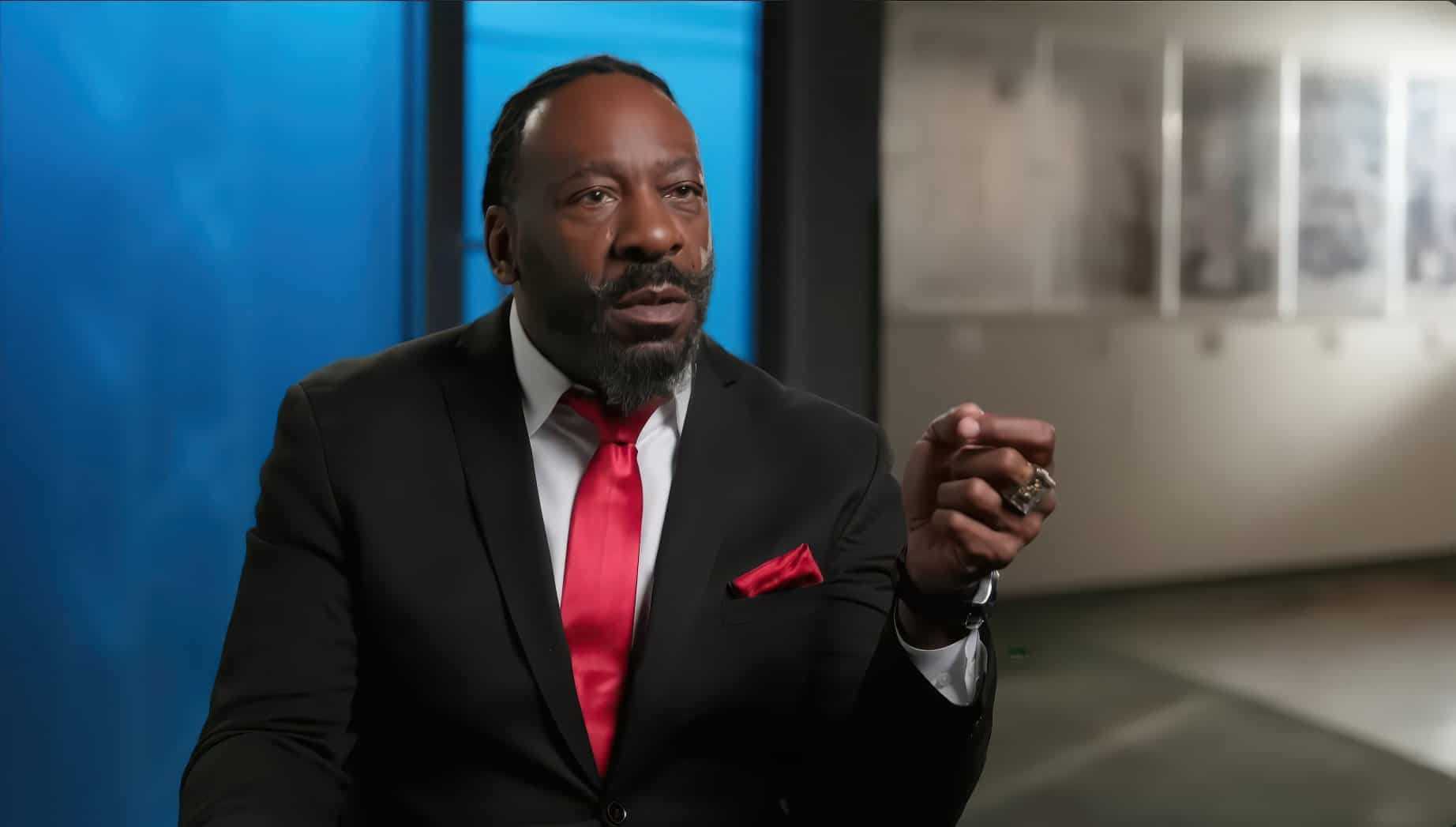
The most notable of those wounds was recently brought to light. Fatu admitted to ghosting WWE Hall of Famer Booker T on a scheduled booking for Reality of Wrestling, according to recent reports.
In independent wrestling, no-showing an event is the cardinal sin. Promoters operate on razor-thin margins. They sell tickets based on advertised names.
When a heavily promoted star simply fails to appear, the promoter takes the heat from the fans, issues the refunds, and usually blacklists the talent for life. When that promoter is a two-time Hall of Famer with a direct line to WWE management, a no-show is usually career suicide.
Reality of Wrestling is not just another Texas independent group. It operates as an unofficial feeder system for WWE's developmental brand, NXT. Booker T regularly evaluates talent there, sending the best prospects to Orlando.
Burning a bridge with ROW is effectively burning a bridge with the WWE Performance Center. Fatu made a mistake that should have permanently closed the door to Stamford.
The Hall of Famer Steps In
Instead of burying Fatu to WWE executives, Booker T did the exact opposite. Fatu recently confirmed that Booker T was a major advocate for him, actively helping him secure his WWE contract despite the prior unprofessionalism.
This is a staggering departure from traditional wrestling politics. For decades, the industry was governed by fragile egos and petty grudges.
A veteran of Booker T's stature could have made one phone call to Triple H or Shawn Michaels and ensured Fatu never stepped foot in a WWE ring. Instead, Booker recognized the undeniable upside. He saw the generational talent buried under a bad decision and chose to facilitate a career rather than destroy one.
Booker's willingness to look past the slight says more about his eye for talent than anything else. He understood what MLW fans had known for years. Fatu was a freak athlete.
He just needed the right structure. By putting his own reputation on the line to vouch for someone who had already burned him once, Booker T took a massive gamble. So far, that gamble is paying off spectacularly on Friday nights.
The Independent Baggage
It is worth examining why Fatu was even in a position to be taking random independent dates a year ago. For years, he was the crown jewel of Major League Wrestling.
He held their world championship for an astonishing 819 days. He was routinely cited as the best unsigned talent in North America.
Yet, the major companies hesitated. AEW passed. WWE dragged its feet.
Part of this was tied up in his airtight MLW contract, which kept him off the market during the height of the Wednesday Night Wars. But there were also persistent murmurs about reliability.
Fatu's reputation on the indies was complicated. When he showed up, he delivered main-event quality violence. But getting him to the building wasn't always a guarantee.
The ROW incident is just the most high-profile example of a pattern that terrified major corporate promotions. WWE is a publicly traded monolith that requires its performers to hit endless media hits, charity appearances, and international flights.
Talent relations executives want safe bets. Fatu, for a long time, was not a safe bet. He was a wildcard. It took a respected voice like Booker T to convince management that the reward outweighed the risk.
The Burden of the Bloodline
Fatu had to watch the Bloodline saga unfold from the outside. While his cousins were headlining premium live events, he was battling in front of a few hundred fans in un-air-conditioned buildings.
He was carrying the family name without the global platform. The psychological toll of being the forgotten family member must have been heavy. He was hitting breathtaking twisting sentons on concrete floors while his family was headlining stadiums.
This isolation likely fueled some of the erratic behavior. When you know you have main-event talent but feel trapped by contract disputes or past mistakes, professionalism can slip.
The Reality of Wrestling incident occurred in this context. Booker T, who survived his own difficult early years before breaking into WCW, likely recognized that frustration. He saw a man getting in his own way and decided to throw down a rope.
The Current Reality
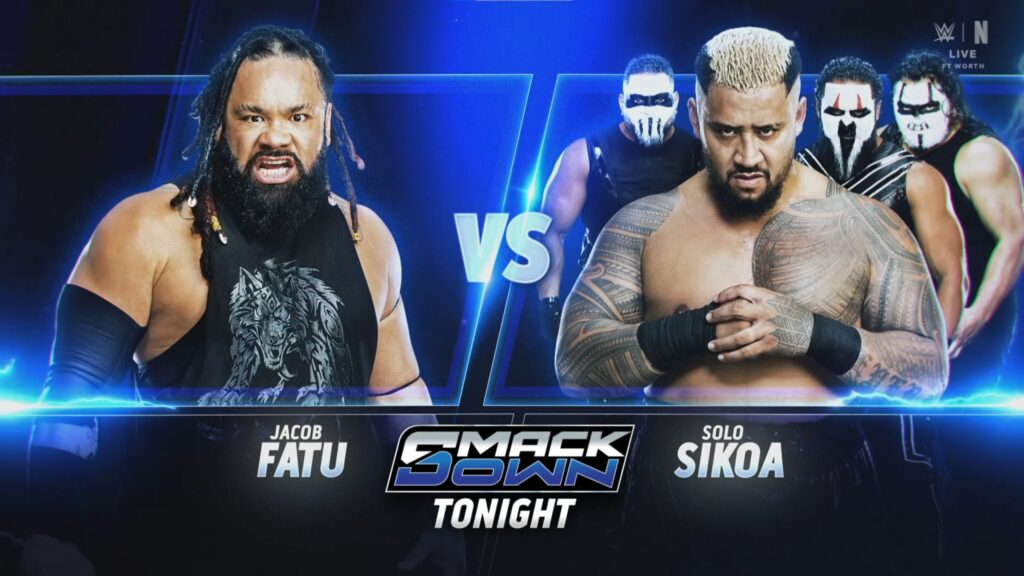
Looking at the current state of WWE programming, it is hard to imagine the Bloodline saga without Fatu. Solo Sikoa has stepped into the leadership role, but it is Fatu who provides the actual physical threat.
When the new iteration of the faction attacks, Sikoa barks the orders, but Fatu is the one delivering the high-speed offense that leaves bodies broken around the ringside area. He is the engine driving the group forward.
There is, however, a major flaw in how he is being presented right now. WWE has made Fatu so dominant that he frequently overshadows his supposed Tribal Chief.
Sikoa often looks like a middle manager standing next to a natural disaster. The creative team is struggling to balance Fatu's explosive ring work with Sikoa's need to appear as the top heel on the SmackDown brand. When the enforcer is vastly more interesting than the leader, the faction dynamic begins to wobble.
Still, this is a good problem to have. Fatu has adapted to the WWE style seamlessly.
He has completely eliminated the sloppy, high-risk spots that sometimes plagued his independent matches, refining his moveset into a tight, television-ready package. He is hitting his marks, playing to the hard camera, and executing his role perfectly.
The Changing Industry
This situation highlights a massive shift in how WWE evaluates talent under the Paul Levesque regime. During the Vince McMahon era, a talent with Fatu's history of independent no-shows would likely never get a second look.
McMahon demanded total compliance and rarely forgave perceived slights against his trusted circle. The new administration is far more pragmatic. They are willing to absorb a certain amount of risk if the upside is high enough.
They lean on the evaluations of trusted veterans like Booker T rather than relying solely on rigid corporate background checks. This is the same pragmatism that brought CM Punk back into the fold after years of bitter litigation. It is a focus on business over personal feelings.
Fatu is the ultimate beneficiary of this new era. He dodged a massive bullet.
If he had pulled that stunt with ROW five years ago, he might still be wrestling in armories. Instead, he is heavily featured on network television, heading into a massive summer schedule, and poised to be a major player for years to come. He owes Booker T a massive debt of gratitude, and based on his recent comments, he knows it.