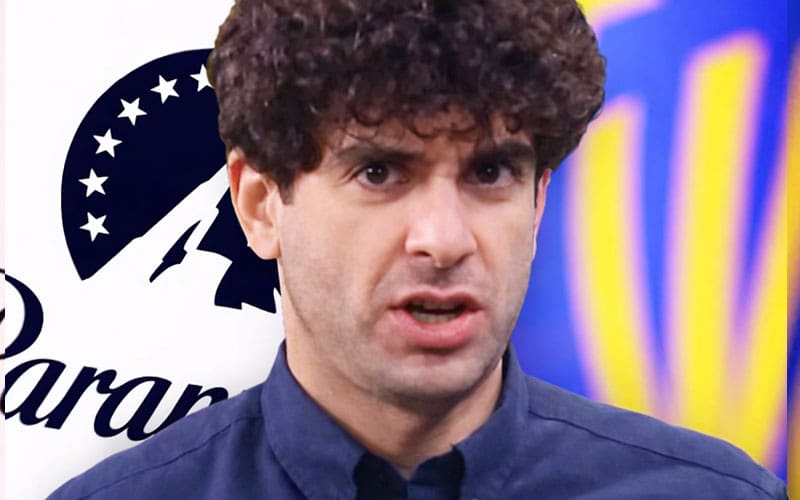
The ownership shift changing the game
The landscape for All Elite Wrestling shifted on Thursday. Warner Bros. Discovery shareholders officially gave the green light to the Paramount-Skydance merger. While ownership changes usually happen at the boardroom level, the trickle-down effect on television distribution for wrestling is the immediate concern for fans.
This deal puts AEW in uncharted territory. For years, the promotion has relied on the WBD umbrella as its primary home on TNT and TBS. With a new corporate parent, every contract negotiation and project renewal faces a layer of scrutiny that did not exist twenty-four hours ago. The focus now turns to how David Zaslav’s legacy assets align with Paramount’s objectives for the linear television space.
Contract realities and future reach
AEW’s current media rights deal sits as the most valuable asset in the company’s portfolio. With shareholders finalizing the acquisition, the new management team faces a choice: double down on wrestling programming or optimize costs by trimming legacy broadcast expenses. AEW has maintained high ratings in the key demographics, yet the challenge remains consistent growth rather than just retention.
Reports indicate that financial stakeholders are already auditing the value of live sports-adjacent content. If the new leadership prioritizes streaming integration, we could see a pivot toward Max as the exclusive hub for AEW events. This shift would mirror tactical moves seen in other major sports, though history suggests live weekly wrestling requires the linear reach that cable television still provides.
The danger of creative stagnation
Beyond the business of rights fees, the merger brings risks to the talent roster. If Paramount looks to streamline production costs, the current bloated roster size will be the first area highlighted. Tony Khan has consistently prioritized acquiring independent talent, but a corporate-led austerity push could force a shift toward a leaner creative direction.
We have seen this play out before when entertainment conglomerates merge. The middle-of-the-card acts, often utilized for depth in three-hour formats, are frequently the first casualties. If AEW loses its ability to showcase a variety of styles daily, the unique 'independent spirit' that defined its early years risks dilution under a more rigid, metrics-driven management style.
The probability of roster disruption
The chatter among industry observers leans toward a period of silence followed by aggressive restructuring. It is premature to claim that the product is failing, but the inability to consistently draw above their baseline indicates that changes are necessary. Some critics argue the roster is too large for the amount of television time available.
Expect the company to tighten its belt as the transition phase closes. The likelihood of a significant roster purge in the next six to twelve months is rising. Executives at the new entity will likely want to see a lean, high-performing output rather than the massive, experimental laboratory that defined the previous half-decade of AEW programming.
Market impact and final outlook
The merger is confirmed, but the operational integration will take months. AEW is entering a high-stakes cycle during the 2026 calendar year, with the upcoming Double or Nothing event serving as a benchmark for fan interest. If the gate numbers continue to show volatility, management will have no choice but to adjust the creative strategy accordingly.
Total alignment between the wrestling product and the new ownership is the goal. If they miss the mark, the consequence will be a reduced footprint on television. The era of unchecked experimental booking likely ends here, replaced by a need for proven commercial performance that validates the acquisition’s heavy price tag.