The alternate reality of AEW's first year
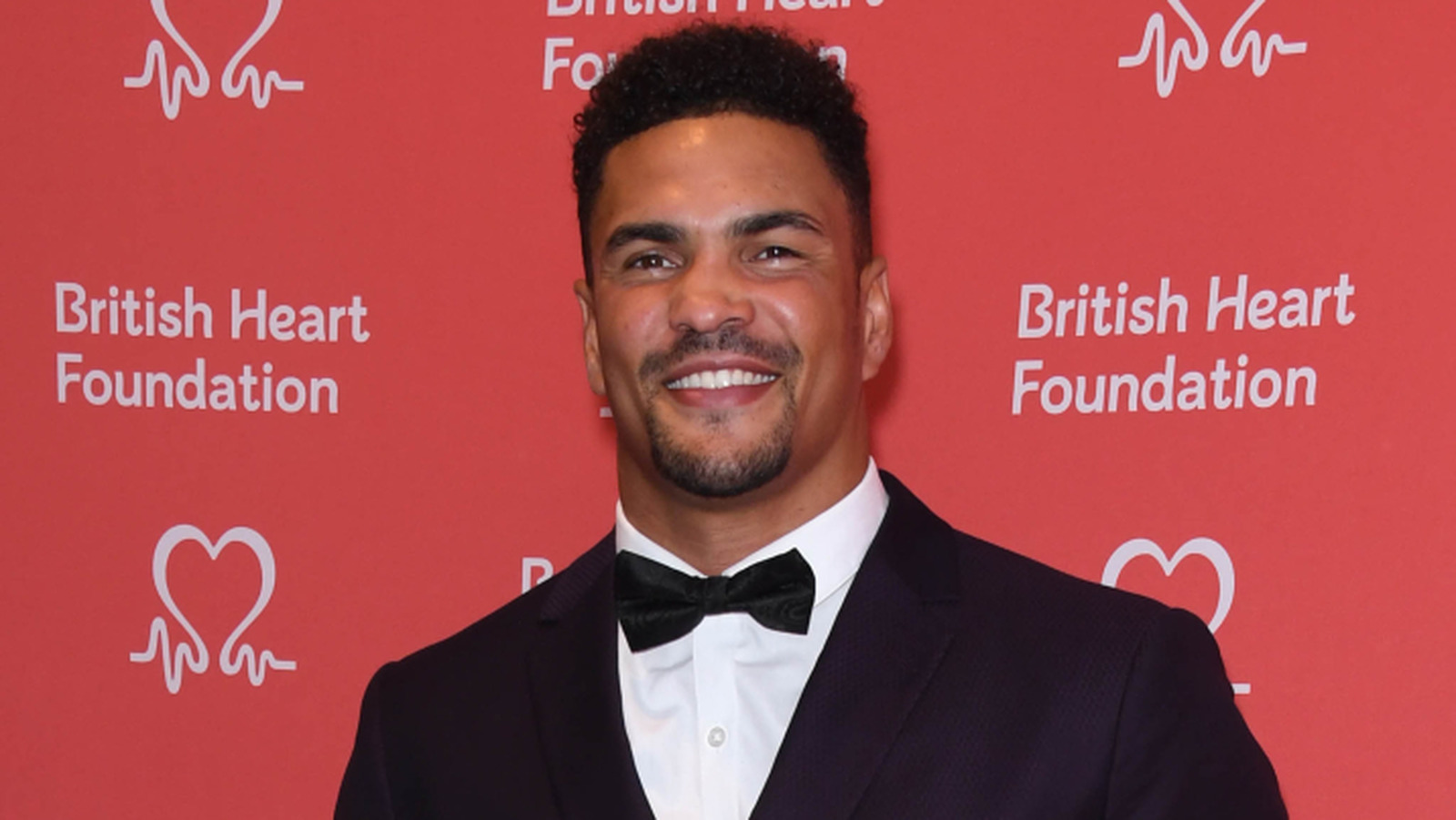
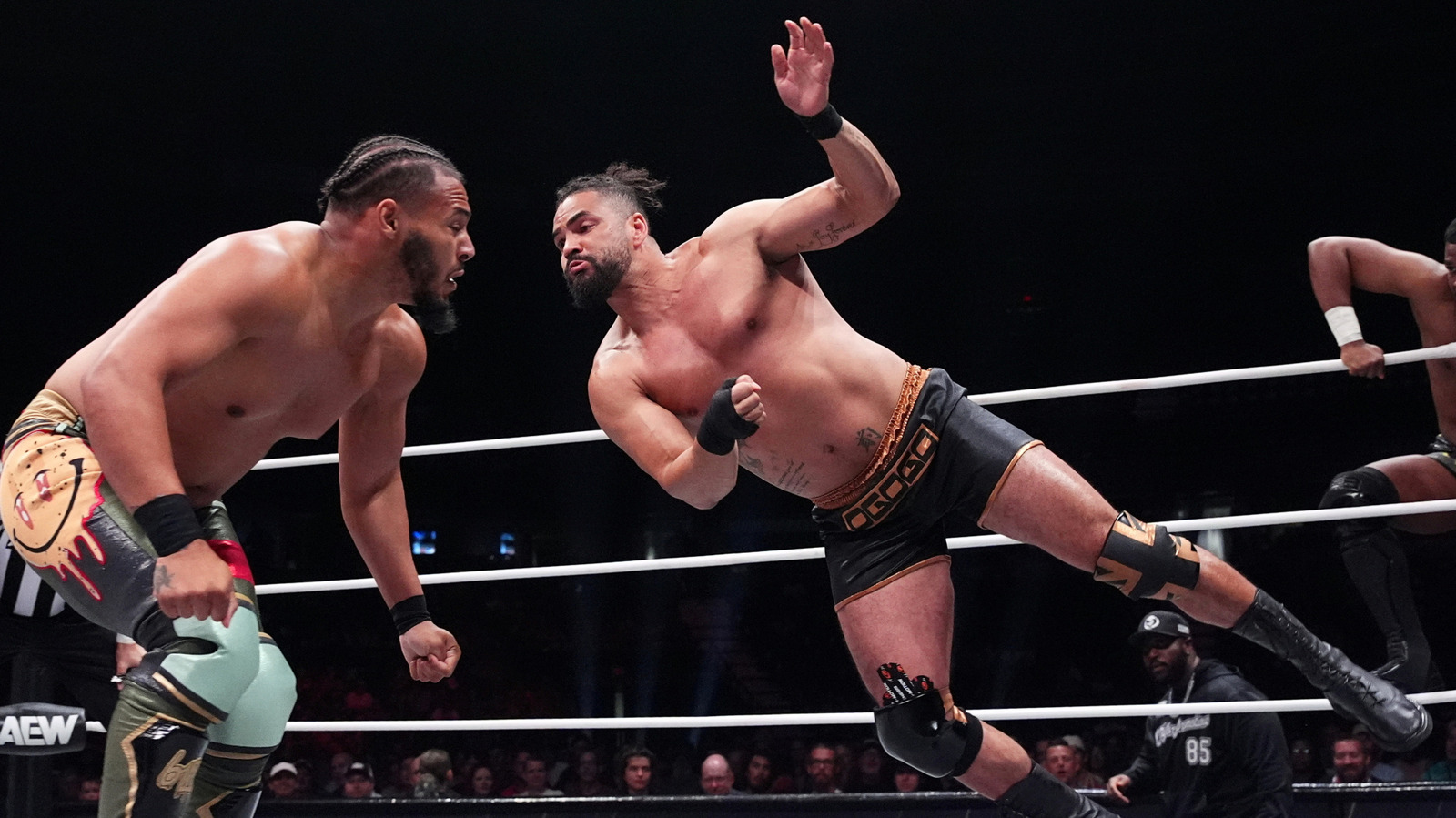
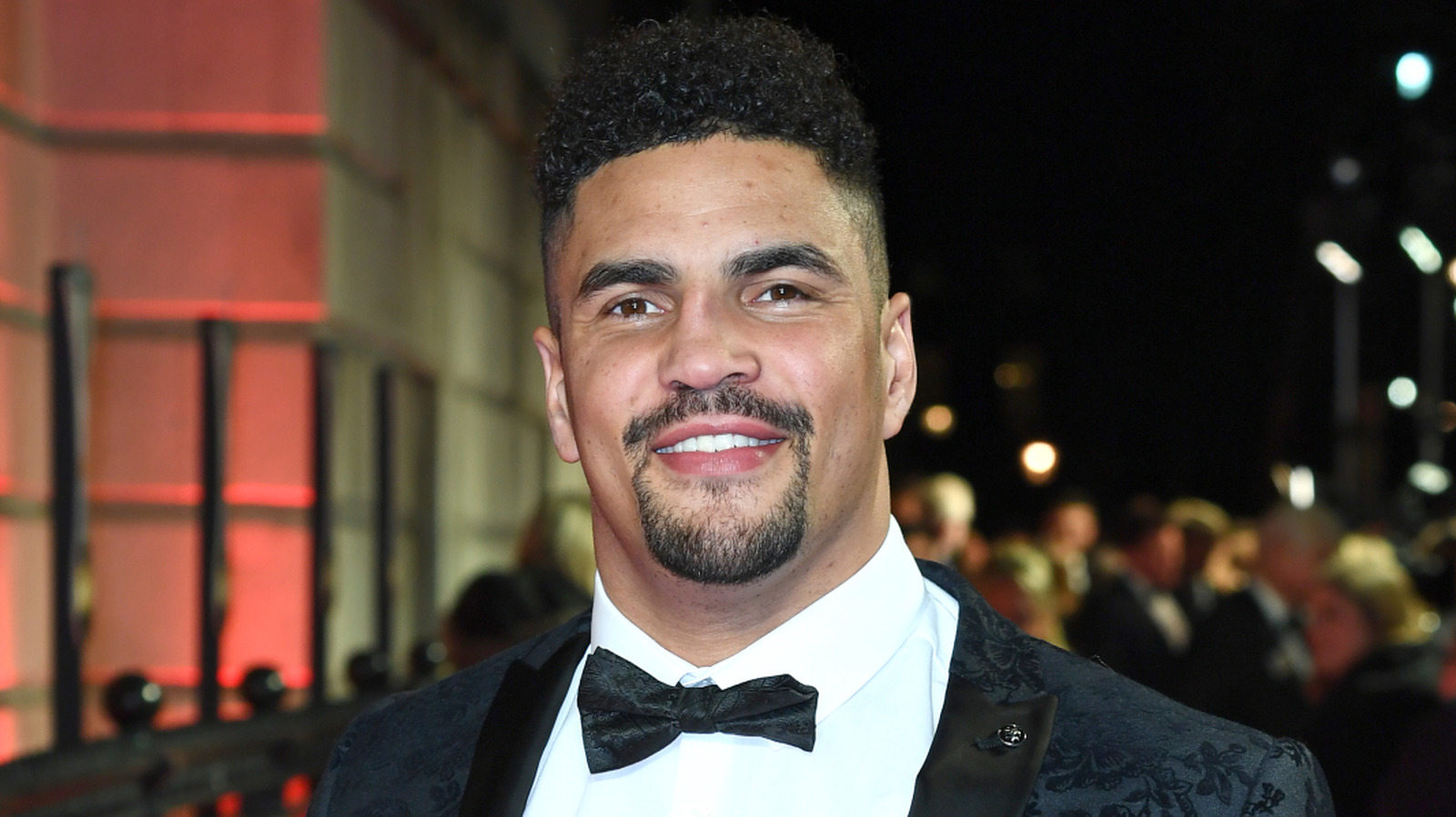
Anthony Ogogo recently revealed that Tony Khan originally planned for him to be a foundational member of one of AEW's first factions. Given the timing and his profile, the implication points heavily toward Chris Jericho's Inner Circle. It is a massive "what if" for a wrestler whose career has been defined by stops, starts, and severe medical interventions.
To understand the gravity of that missed opportunity, you have to look at the numbers. In 2019, faction membership in AEW was not just a narrative device. It was a statistical shield. Being aligned with Jericho during the company's inaugural year guaranteed television time, protected booking, and a direct pipeline to main event programs.
The numbers behind the muscle
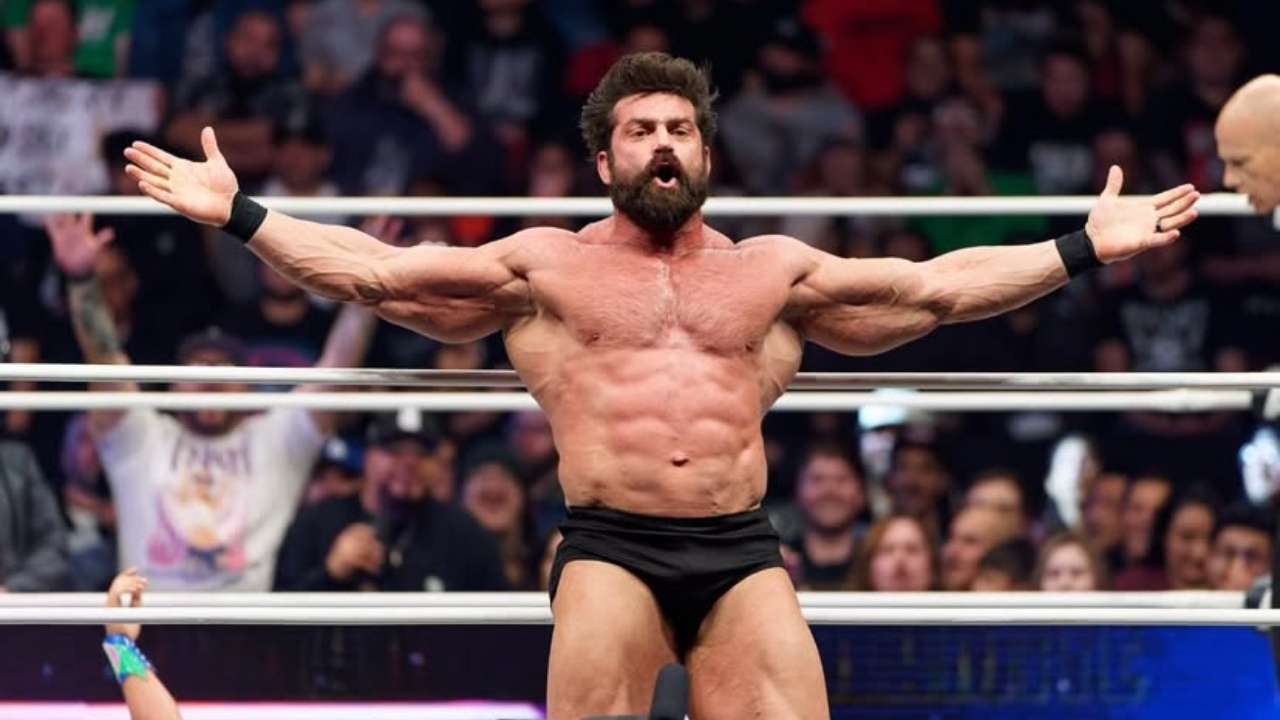
Look at the man who ultimately took the enforcer role in that group: Jake Hager. Hager debuted on the very first episode of Dynamite. For his first six months in the company, he didn't even need to wrestle a sanctioned match to remain relevant. When he finally did step into the ring, he was heavily protected.
Hager went on a 12-match undefeated streak in singles competition to start his AEW run. He was kept away from clean losses for over a year. Hager's first major singles match didn't happen until Revolution 2020, where he defeated Dustin Rhodes. By then, he had already established a physical dominance on television without having to take a single bump.
Ogogo, conversely, had to wait. The former Olympic boxer, who won a bronze medal at the 2012 London Games, was raw. He needed the exact kind of structural support that a faction provides. Instead of debuting as a silent killer alongside the World Champion, Ogogo was routed through the Nightmare Factory.
The Double or Nothing data point
When he finally arrived on television in early 2021, he was pushed immediately into a highly scrutinised feud with Cody Rhodes. The angle was bizarrely structured from the start. It positioned Rhodes, portraying an American patriot, against Ogogo, who was framed as a generic foreign heel despite his legitimate sporting credentials.
The feud culminated at Double or Nothing 2021. The match lasted exactly 10 minutes and 55 seconds. Ogogo lost clean in the middle of the ring. From a statistical standpoint, this was devastating for a monster heel in training.
In wrestling, monster heels rely on a high win percentage and short match times in their rookie year. Think of Wardlow's early run, where he maintained an average match time of just under 4 minutes. Ogogo was fed to a top babyface in his third official AEW match. After that loss, his win probability in high-stakes television matches cratered. He was soon sidelined by complex eye surgeries, but the booking damage was already logged in the database.
The faction bump
Television minutes are the most valuable currency in professional wrestling. In 2019 and 2020, Dynamite was a strictly two-hour program. There was no Rampage. There was no Collision. The bottleneck for screen time was severe. If you were not in the Inner Circle or The Elite, you were fighting for scraps.
There is a quantifiable faction bump in professional wrestling. During the first 50 episodes of Dynamite, Jericho's faction won over 65 percent of their multi-man tag matches. Members of the Inner Circle and The Elite accounted for roughly 45% of all television main events. Solo acts simply could not compete for minutes.
If Ogogo had taken that spot, his match count would likely look very different today. Currently, he has wrestled fewer than 50 matches across his entire professional career. A significant portion of those occurred on AEW Dark or independent shows in the UK. He simply doesn't have the reps.
Working in a top faction allows a green wrestler to work multi-man matches. They can tag in, hit three explosive power spots, and tag out. It hides flaws while building a statistical resume. By missing out on that early alignment, Ogogo was forced to learn the hardest parts of the job without a safety net.
The Factory's negative impact
His later inclusion in The Factory alongside QT Marshall did not offer the same protection. By late 2021, The Factory's win rate on television had dipped below 20%. They were designated bumping heels.
Ogogo was placed in a group whose primary function was to lose to ascending babyfaces. The win probability for a wrestler aligned with The Factory in a Dynamite main event was virtually zero. A good stable hides your flaws; a bad stable drags your baseline credibility down to its level.
The structural differences in stable booking
To fully appreciate the mathematical chasm between the Inner Circle and The Factory, you have to look at how AEW booked their respective feuds. The Inner Circle's primary program in 2020 was against The Elite. This culminated in the Stadium Stampede match, a cinematic bout that shielded all participants from standard wrestling bumps while maximizing their character exposure. The viewership metrics for these segments consistently broke the one million viewer mark during the Wednesday Night Wars.
When Ogogo was running with The Factory, their major program was against the Nightmare Family. This feud was heavily criticized for taking up valuable television time without elevating any of the younger talent involved. If we look at the quarter-hour ratings breakdown for Dynamite during the spring of 2021, segments involving The Factory routinely lost viewers. The audience had correctly identified that the group existed solely to absorb losses.
This is where the concept of heat becomes quantifiable. Real heat translates to viewer retention and ticket sales. The Inner Circle generated measurable heat because the audience believed they were a threat to win any match they entered. The Factory generated apathy because their loss probability was mathematically certain. Placing a legitimate Olympic medalist into a stable with a negative viewership correlation is one of the most glaring analytical errors in AEW's early booking history.
Boxing pedigree vs wrestling reality
It is worth examining the raw numbers of Ogogo's athletic background to see what AEW was originally trying to capture. As an amateur boxer, he fought under the immense pressure of the Olympics. His professional boxing record stands at 11-1, with 7 knockout victories.
That is a legitimate combat sports resume. In a controlled environment, an 11-1 professional boxer is a terrifying prospect. However, professional wrestling requires a completely different kind of repetition. A full-time independent wrestler might work 150 matches in a single calendar year to build a database of experience. Ogogo has not had that luxury.
There is also the matter of strike accuracy and physical translation. Ogogo's primary weapon in AEW has been the Governor's Hammer, a devastating right hand to the midsection. From a biomechanical standpoint, this is a brilliant wrestling finisher. It doesn't require complex lifting, it minimizes the risk of catastrophic injury to the opponent, and it can be hit from any angle. In his first few matches, his strike-to-knockout ratio was booked perfectly at 1:1.
But when you place a striker into traditional wrestling matches, that ratio gets diluted. They are forced to use transitional holds, take bumps, and sell offence from much smaller opponents. If Ogogo had been stationed at ringside as Jericho's heavy, he could have maintained that ratio indefinitely. He would only be deployed when maximum impact was required, preserving his aura and hiding his lack of grappling experience.
The final tally
We are left looking at a stark statistical reality. Anthony Ogogo is a highly capable athlete who was dealt a difficult hand medically. But the structural failure to protect him in his early years compounded those issues.
Tony Khan's original plan was clearly to utilize that legitimate combat sports background to lend credibility to an early heel group. Missing that initial boat shifted Ogogo onto a much steeper developmental curve. He lost the 3x television time multiplier that early faction members enjoyed.
One path offered a shielded, statistically advantageous rise. The other led to a clean pay-per-view loss in his rookie year and a permanent struggle to regain that lost momentum. The numbers do not lie, and in this case, they tell a brutal story of what might have been.