
Bad News Brown was the original Stone Cold and WWE finally knows it
The Olympian Who Hated Everyone
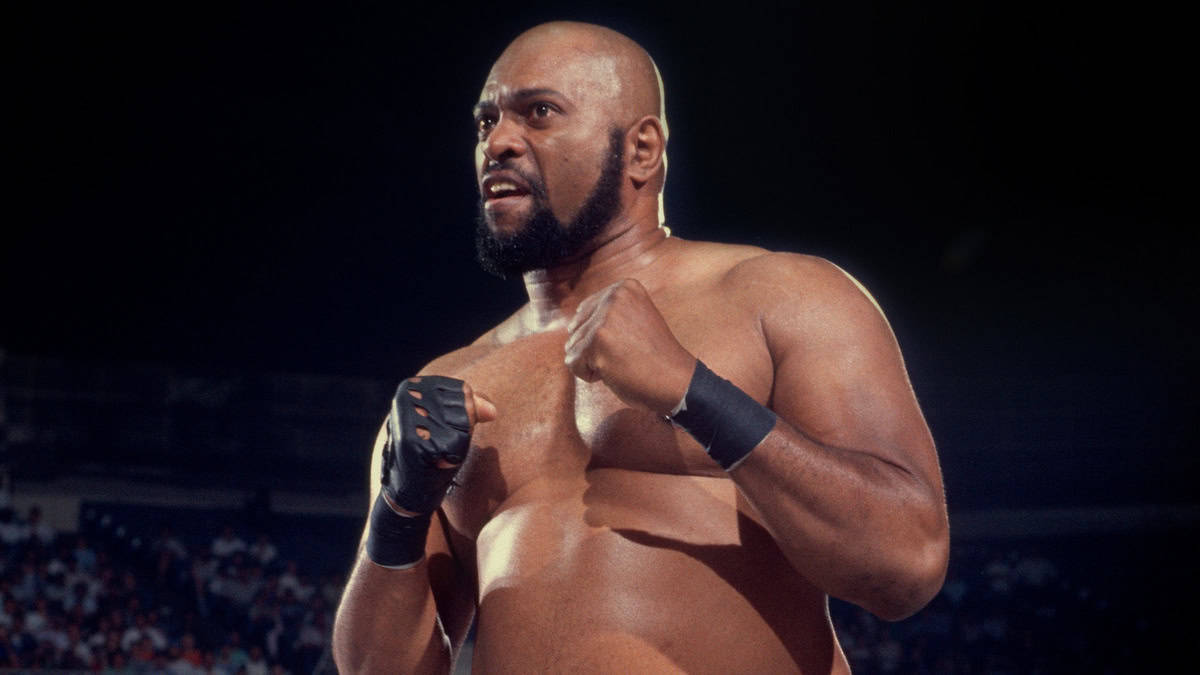
The announcement that Allen Coage, known to millions of wrestling fans as Bad News Brown, will be inducted into the 2026 WWE Hall of Fame Legacy class feels like a long-overdue reconciliation. For a man who built his entire persona on being the ultimate loner—a man who walked to the ring without music and left without shaking a single hand—the Hall of Fame ceremony is the ultimate irony. But beneath the scowl and the signature black singlet was a tactical innovator who predated the anti-hero boom by a full decade.
Coage didn't just play a tough guy; he was arguably the most legitimate combatant on the roster during his 1988-1990 run. He wasn't a collegiate grappler or a powerlifter playing at violence. He was a 1976 Olympic bronze medalist in Judo. That pedigree didn't just give him credibility; it informed every single movement he made inside the ropes. While his peers were leaning into the cartoonish excess of the late eighties, Coage was working a style that felt uncomfortably real.
As Wrestling Inc reported, his induction comes as part of the Legacy class, a designation often reserved for those whose contributions occurred outside the modern spotlight or whose relationship with the company was complicated. In Coage’s case, it’s both. He wasn't just a wrestler; he was a tactical disruptor who refused to fit the mold of the smiling babyface or the cowardly heel. He was simply Bad News.
The Tactical Efficiency of the Ghetto Blaster
Watch a Bad News Brown match from 1989 and you’ll see a glaring absence of wasted motion. Most wrestlers of that era relied on the "test of strength" or long, drawn-out bearhugs to fill time. Coage operated with the efficiency of a judoka. His tie-ups were tight, usually leading to a high-crotch takedown or a stiff forearm shiver that looked like it could cave in a ribcage. He understood center of gravity better than anyone else in the locker room, a direct carry-over from his years on the mats in Montreal and Tokyo.
Then there was the Ghetto Blaster. In an era where the leg drop and the elbow drop were the gold standard for finishers, Coage used a running back enzuigiri. It was a strike-based finisher that required timing and explosiveness. He would wait for his opponent to stagger, usually after a series of clubbing blows, and then launch himself. It wasn't about the height of the jump; it was about the torque of the trailing leg. It was a zero-percent fluff move that ended matches instantly.
His matches were often short, violent bursts of activity. He didn't trade holds for twenty minutes. He looked for the opening, exploited the mistake, and applied the finish. This was tactical wrestling at its most primal. He treated the ring like a combat zone, not a theater. This lack of "showmanship" is precisely why he stood out, but it’s also likely why Vince McMahon never pulled the trigger on a sustained main event run for him.
The WrestleMania IV Tactical Shift
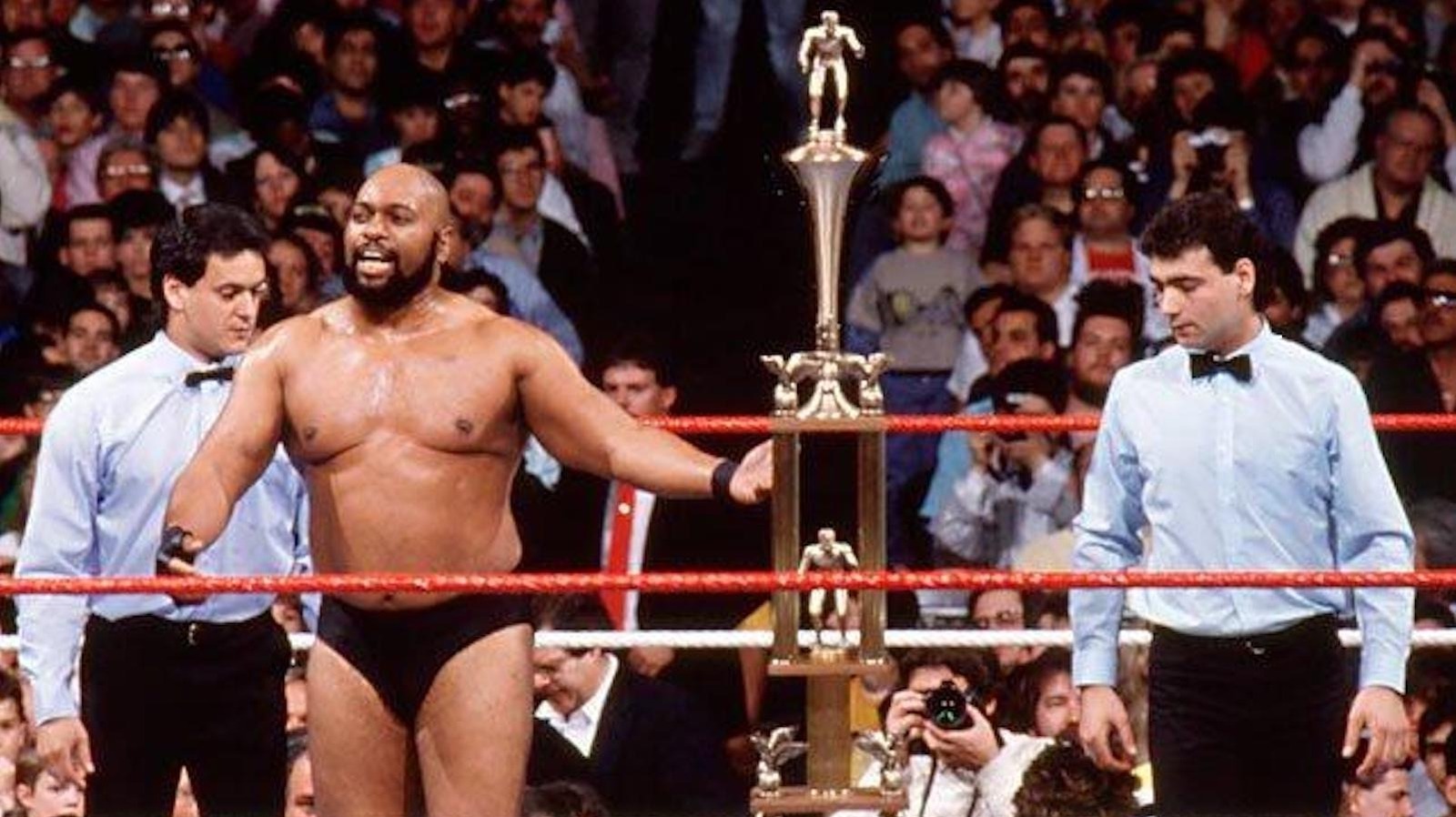
The high-water mark of Coage's WWE career remains the battle royal at WrestleMania IV. On a card defined by a grueling, multi-round tournament for the vacant world title, the battle royal was supposed to be a popcorn match. Instead, Bad News Brown turned it into a masterclass in opportunistic positioning. He spent the majority of the match near the ropes, minimizing his exposure and letting the more energetic competitors like Junkyard Dog and the Hart Foundation eliminate each other.
The finish remains one of the most clever bits of booking from that era. Bad News and Bret Hart formed a temporary alliance to eliminate the Junkyard Dog. In any other match, this would lead to a standard face-off. Instead, as Bret celebrated, Coage immediately attacked. He didn't wait for a bell or a signal. He caught Hart with the Ghetto Blaster and threw him over the top rope. The subsequent destruction of the trophy was the first time many fans saw a "heel" destroy a prize they had actually won. It was a rejection of the very system he was competing in.
This was the blueprint for the loner character. He didn't want the trophy; he wanted the dominance. He didn't want the fans' approval; he wanted their silence. By the time he walked out of the Trump Plaza that night, he had established himself as a man who could not be bargained with. It was a tactical victory that should have led straight to a program with Hulk Hogan, but the office had other plans.
The Piper Feud and the Limits of 1990
No analysis of Bad News Brown is complete without addressing the feud with Roddy Piper that culminated at WrestleMania VI. This is where the "Legacy" induction becomes interesting, as the match is largely remembered today for Piper’s decision to paint half his body black—a move that has aged incredibly poorly. From a tactical standpoint, the match was a disaster. It ended in a double count-out, a result that protected neither man and frustrated the Toronto crowd.
Coage was notoriously protective of his character. He reportedly refused to lose to Piper in a way that he felt diminished his "tough guy" status. This stubbornness was his greatest strength and his ultimate professional ceiling. He wasn't a company man. He was a man who knew his value and wasn't willing to trade it for a paycheck. While this made him a hero to the boys in the back who wanted to stand up to management, it made him a liability in the eyes of the bookers who valued script-following above all else.
The WrestleMania VI match featured a lot of brawling on the outside, with Coage using his surroundings to negate Piper’s speed. He used the ring post and the steel steps not as props, but as tactical assets. Even in a disjointed match, his judo-based clinch work was visible. He would grab a handful of Piper’s hair or trunks just to stabilize him for a knee strike. It was ugly, it was gritty, and it was entirely on brand for Bad News.
The Critical Eye: Why He Never Reached the Top
Despite his legitimacy and his unique aura, Bad News Brown never held a title in the WWE. This is the negative observation that modern historians have to grapple with. Was it racism? Was it his refusal to play the political game? Or was his style simply too abrasive for a company that was trying to sell action figures to children? The truth is likely a combination of all three.
Coage’s promos were legendary for their realism. He didn't scream about the "power of the sun" or "eating vitamins." He called fans "beer-bellied sharecroppers" and threatened to stretch his opponents. He was a heel who didn't want you to boo him; he wanted you to be afraid of him. This created a disconnect. The WWE machine in 1989 wasn't built for fear; it was built for fun. Bad News Brown was the anti-fun.
Furthermore, his refusal to work with certain people—most notably a proposed program involving a snake and Jake "The Snake" Roberts where Coage was supposed to be afraid of the reptile—showed his limits. He argued that a man with his background wouldn't be scared of a pet. While logically sound, this kind of pushback is what gets you labeled as "difficult." He prioritized the integrity of the character over the needs of the television product, a tactical choice that ensured his longevity in the minds of fans but limited his trophy case.
The Shadow of Stone Cold
It is impossible to watch Coage today and not see the DNA of Stone Cold Steve Austin. The black trunks, the black boots, the refusal to trust anyone, the disdain for authority—it was all there in 1988. Coage was doing the "D.T.A." (Don't Trust Anybody) gimmick before the acronym even existed. The difference was the timing. By 1996, the audience was ready for a cynical protagonist. In 1988, they were still looking for a hero in a yellow t-shirt.
If Bad News Brown had arrived in the WWE during the Attitude Era, he would have been a multi-time world champion. His matches with Ken Shamrock would have been shoot-style classics. His promos would have been uncensored masterpieces of urban realism. Instead, he was a man ahead of his time, a tactical genius working in a strategic vacuum. He paved the way for the Tazzes and the Samoa Joes of the world—wrestlers who lead with their combat sports credentials and refuse to compromise on their toughness.
The Legacy induction is a quiet acknowledgment of this influence. It says that while he may not have headlined a dozen pay-per-views, the industry would look very different without him. He was the bridge between the territorial era of the tough-as-nails shooter and the modern era of the MMA-influenced hybrid athlete.
A Final Walk to the Ring
As we approach WrestleMania 41 in Las Vegas, the induction of Bad News Brown serves as a reminder that wrestling is at its best when it feels dangerous. In an era where matches are often choreographed to the second, looking back at the work of Allen Coage is a breath of cold, hard air. He didn't care about star ratings. He didn't care about merchandise sales. He cared about being the baddest man in the room, and more often than not, he was.
The ceremony will likely feature a video package highlighting that WrestleMania IV win and his various skirmishes with the giants of the era. They will show the Ghetto Blaster and the scowl. But for the students of the game, the real tribute will be in the realization that Coage was right all along. You don't need a catchphrase or a colorful costume to be a star. You just need to be someone that people are afraid to fight.
Bad News Brown left the WWE on his own terms in 1990, reportedly walking out after Vince McMahon failed to deliver on a promised title run. He didn't look back, and he didn't apologize. That he is finally being brought into the fold in 2026 suggests that the company has finally caught up to his vision of what a professional wrestler should be. He wasn't just a mid-card heel; he was a tactical pioneer who understood that in a world of make-believe, the man who brings the truth is the most powerful person in the building.
His legacy isn't just a spot in the Hall of Fame. It’s in every strike-heavy match, every lone-wolf gimmick, and every wrestler who refuses to smile for the camera. Bad News is finally good news for the history of the business.
Read Next
- Why putting Bad News Brown and Sid in the Legacy wing is an absolute joke
- Jesse Ventura just accused Donald Trump of buying his way into the Hall of Fame
- Booking Danhausen in WWE is going to be harder than it looks
- The Rock's Hollywood schedule is holding WWE hostage ahead of WrestleMania 41
- 🏆 WrestleMania 41 — Full Coverage Hub
MATTEL WWE Championship Showdown 2-Pack Action Figures
Recreate epic rivalries right on your coffee table.
More Coverage
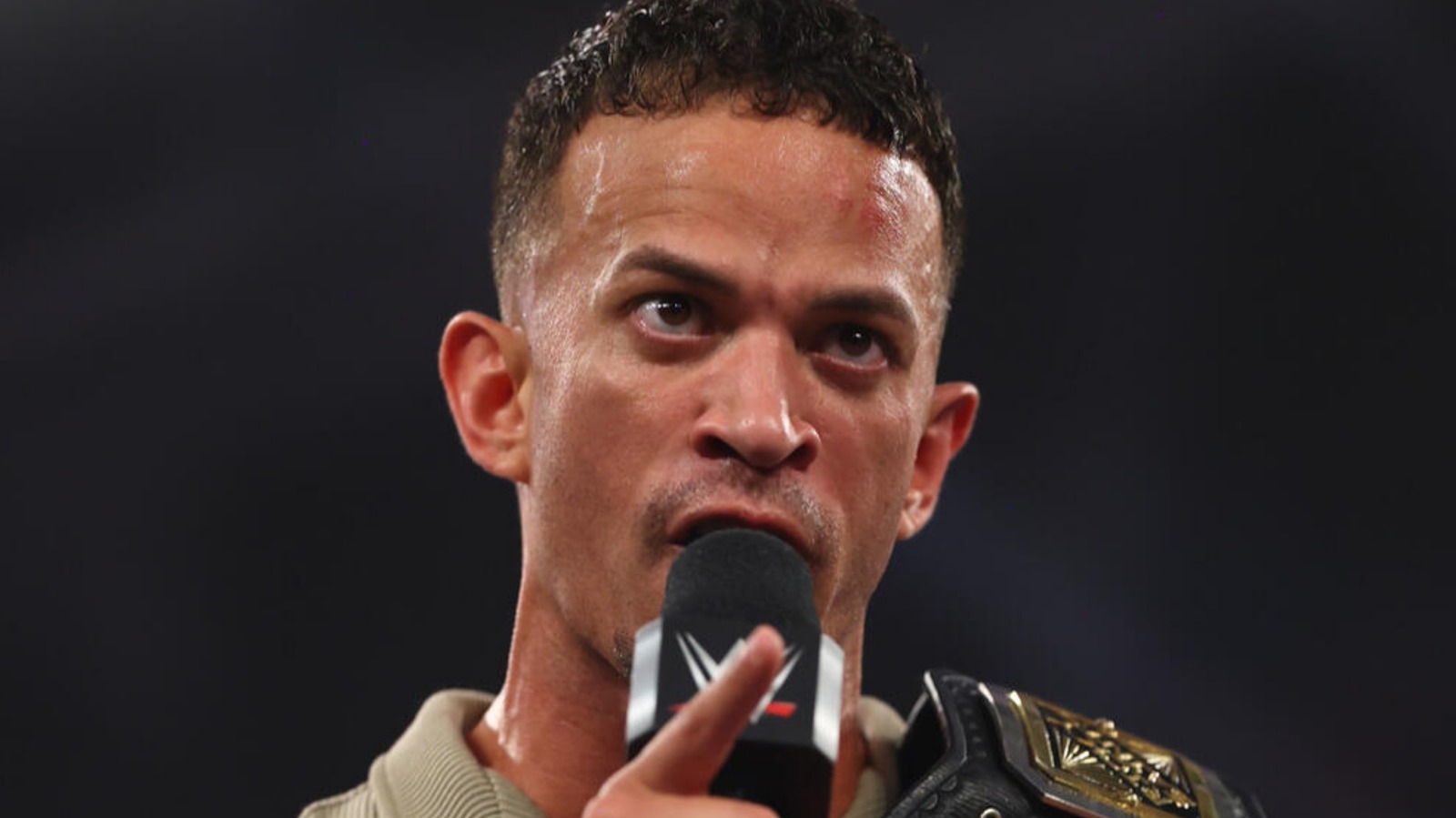
Ricky Saints is playing the game smart by leaning on the right locker room brains
22 minutes ago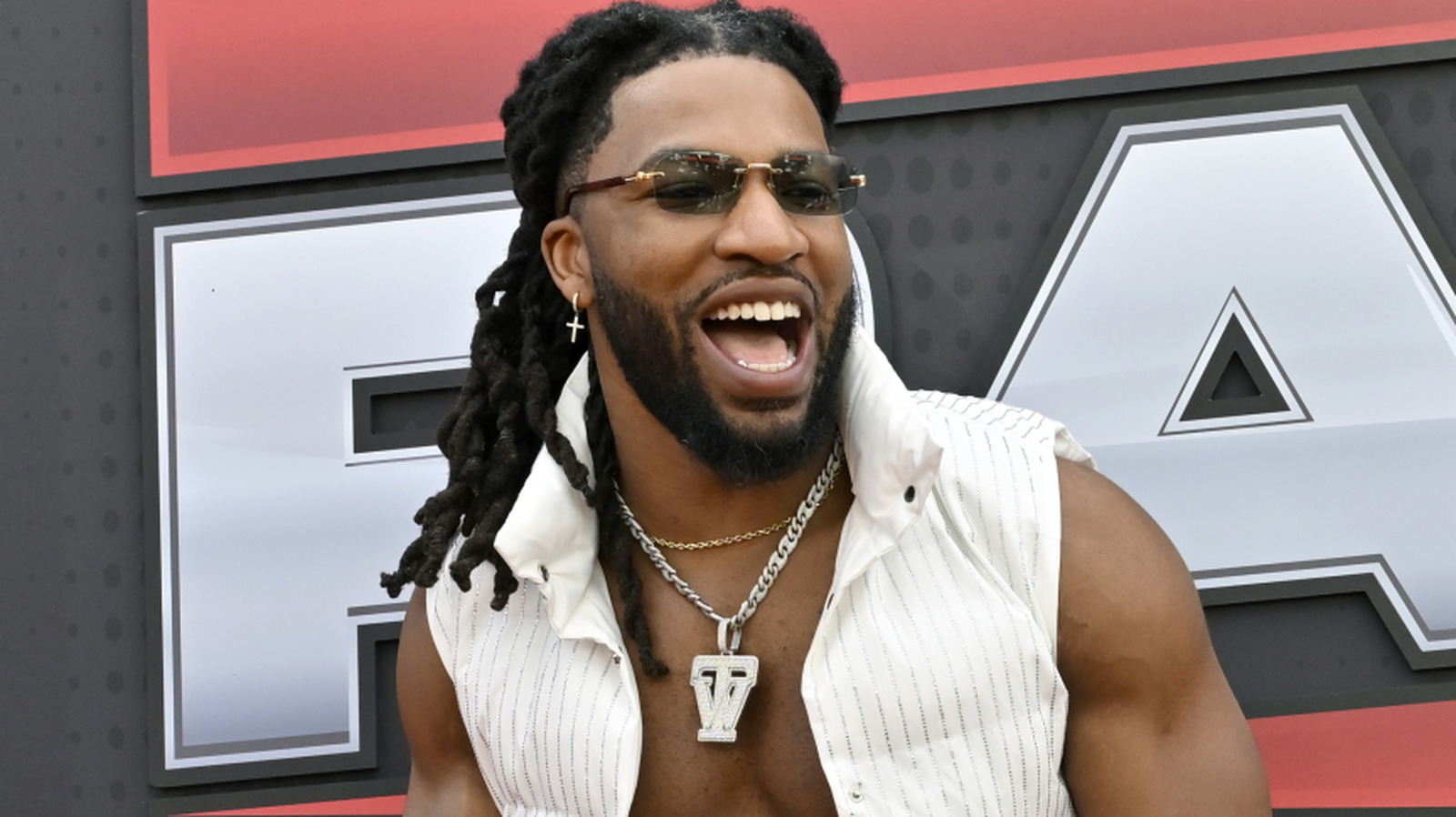
Trick Williams' bold SummerSlam call-out ignores the reality of WWE's roster
32 minutes ago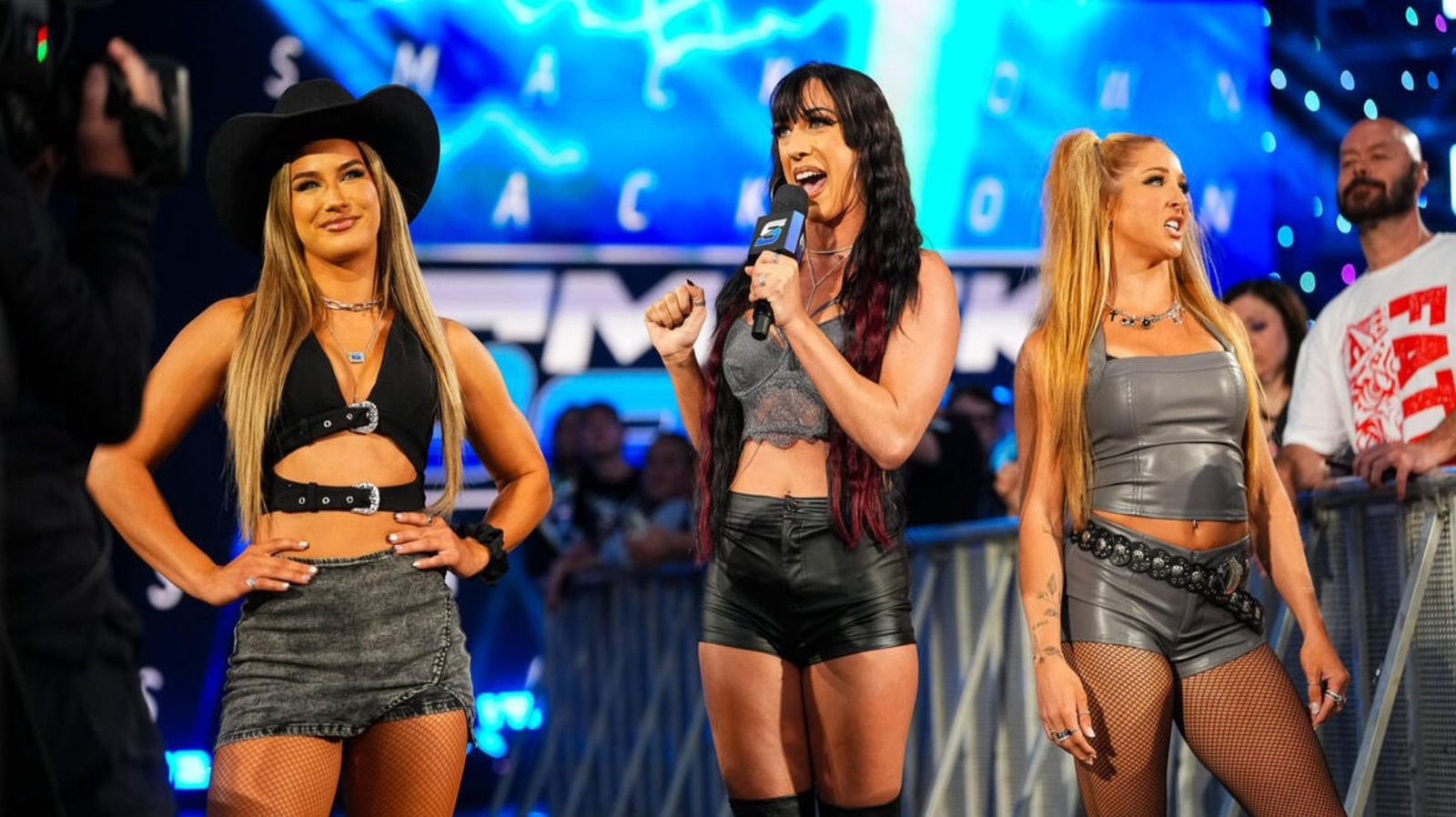
Fatal Influence are testing the durability of WWE's tag team division
an hour ago
Sami Zayn’s title reign remains the flashpoint of modern WWE booking
an hour ago
Why nostalgia-heavy podcasting is failing the current wrestling product
an hour ago
Cody Rhodes and CM Punk are drifting toward a collision course
an hour agoMore Analysis
Bad News Brown finally gets his overdue Hall of Fame ring
3 months, 3 weeks ago
WWE failed the Hall of Fame legacy of Bad News Brown
2 months, 3 weeks ago
The Hall of Fame is finally getting Bad News Brown right
3 months, 3 weeks ago
Why putting Bad News Brown and Sid in the Legacy wing is an absolute joke
3 months, 3 weeks ago
WWE must stop erasing history to chase the next record
2 months, 3 weeks ago