The myth meets the microphone
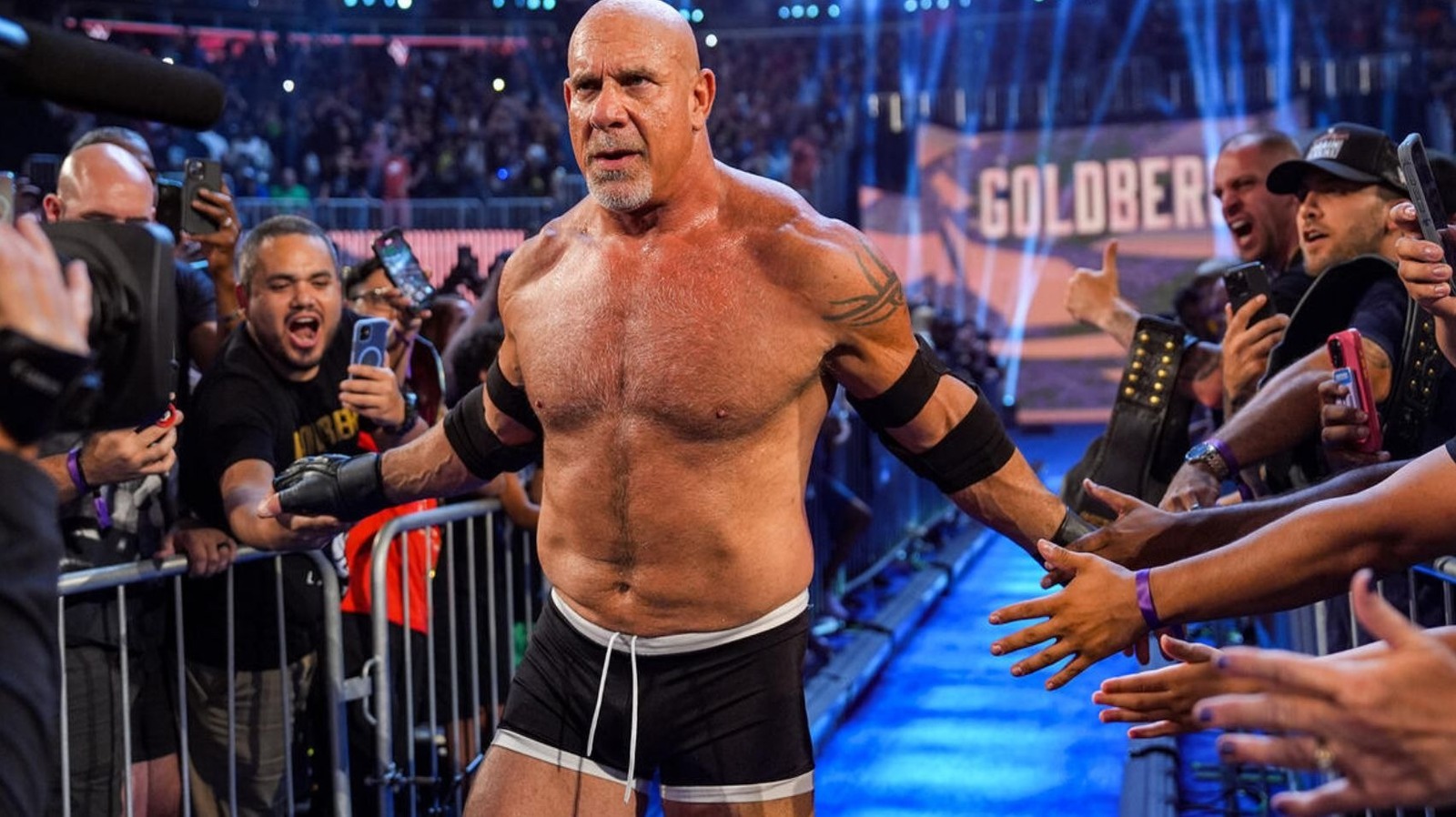
The entrance. The sparks. The snorting smoke. That was Bill Goldberg for nearly three decades. A blunt instrument of professional wrestling. But blunt instruments do not make for compelling television once the bell rings.
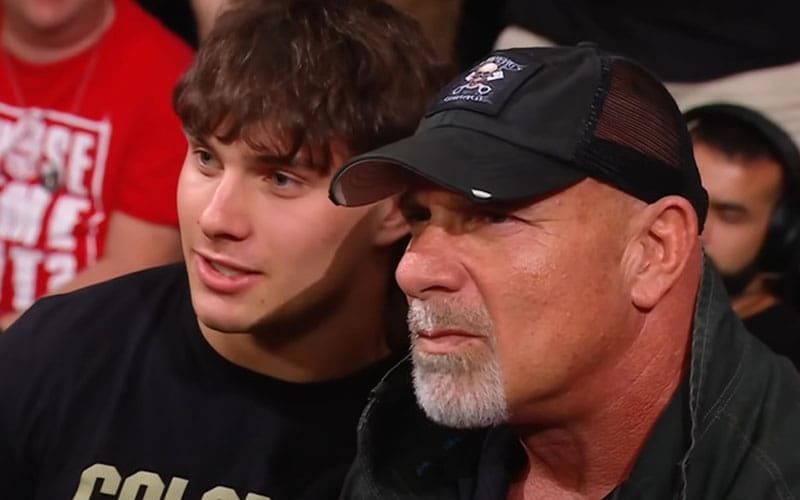
As Ringside News reported, Goldberg is lining up his next move after stepping away from the ring, and it involves a television project with his son, Gage. It is the most predictable post-retirement pivot possible. It is also the most dangerous to his carefully protected legacy.
We saw the final days of his in-ring career. The matches became shorter. The sweat came faster. The aura, once bulletproof, started taking on water around the time he dropped himself on his head in Saudi Arabia. Now, done with taking bumps, he is pivoting to the one arena that has humbled more wrestlers than the squared circle. Unscripted television is unforgiving.
The evolution of an uncooperative star
To project how Goldberg will handle a television crew following him around, we have to examine his history with the wrestling business itself. In WCW, management kept him isolated. They understood that the less he spoke, the more money he drew. He was an anomaly in an era defined by lengthy promos. He just showed up, hit the spear, hit the jackhammer, and left the building.
When he arrived in WWE in 2003, the clash of cultures was immediate. WWE demanded their stars be entertainers. They put a wig on him in a backstage segment with Goldust. They tried to force him into the established corporate mold, and he hated every second of it. He lasted barely a year, famously delivering a bizarre, heavily booed match against Brock Lesnar at WrestleMania 20 before walking away for over a decade.
That version of Goldberg is the guy networks are negotiating with right now. He was a man who bristled at being told what to do, who once punched a locker room door and legitimately shattered the bones in his arm purely out of frustration. Sure, he is older now. He is a father. But the core personality trait that made him a massive star is his absolute, unyielding stubbornness. That exact trait makes reality television a nightmare to produce.
The SummerSlam incident
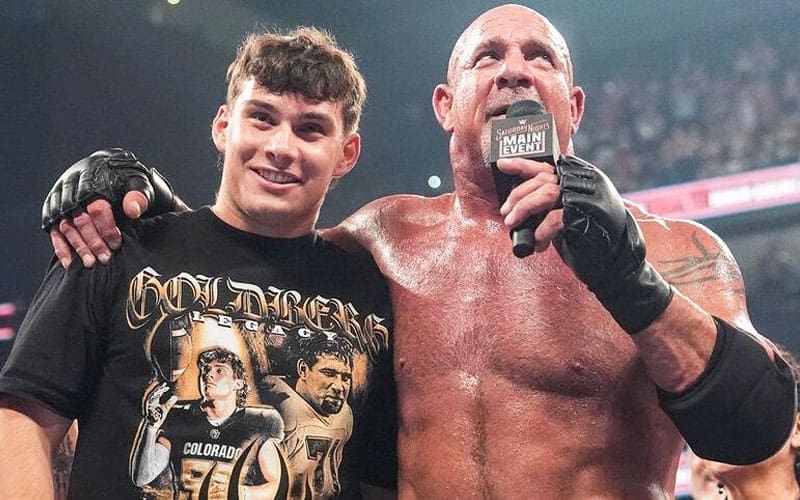
To understand why a show with Gage makes sense to television executives, you have to look back to SummerSlam 2021. WWE decided the best way to get heat on Bobby Lashley was to involve the family. Gage, who had previously been seen as a smiling kid at ringside, was suddenly thrust into the narrative. He jumped the barricade to save his dad, only to get trapped in the Hurt Lock.
It was jarring. Not because it was violent, but because it exposed the central tension of modern Goldberg. He returned to wrestling not to win titles, but to prove to his son that he was a superhero. Superheroes are generally boring when they are off the clock.
The SummerSlam angle worked briefly because of the shock value. But stretching that father-son dynamic across ten episodes of a television season requires a level of vulnerability that he has historically refused to show.
The reality TV graveyard
Professional wrestling and reality television are cousins, but they speak entirely different languages. Wrestling relies on absolute control of the presentation. Reality TV thrives on the illusion of chaos. Think about the history of wrestlers inviting cameras into their homes.
Hogan Knows Best actively accelerated the destruction of Hulk Hogan's public image. Total Divas worked only because it embraced the soap opera aspect of the locker room. Miz & Mrs. succeeds because Mike Mizanin is perfectly comfortable playing the fool on camera.
Can you imagine Bill Goldberg playing the fool?
This is a man who notoriously refused to follow scripts if he felt it made his character look weak. He is protective of his intellectual property to a fault. If this new show is simply a sterilized, heavily curated look at his life, it will fail miserably. Audiences in 2026 are too savvy for infomercials disguised as documentaries. If the cameras are rolling, they expect to see the cracks in the armor. If he refuses to bleed—metaphorically speaking—there is no show.
The Colorado factor
There is, however, a massive variable that makes this project fascinating. Gage Goldberg committed to play football at the University of Colorado under Deion Sanders. If this television project leans heavily into Gage's journey as a collegiate athlete trying to forge his own path under the shadow of a famous father, it has legs.
This changes the dynamic entirely. It stops being a vanity project and becomes a sports documentary with built-in stakes. Bill pacing the sidelines in Boulder, interacting with Coach Prime, while Gage tries to earn snaps as a linebacker. That is actual television. It removes the burden of carrying the show from the father's shoulders and places it on a natural, compelling narrative.
But here is the fatal flaw in that plan. College football programs do not casually allow outside production crews unfettered access to their facilities unless they control the final cut. Sanders runs a tight ship regarding media, despite his flamboyant public persona. The friction between a TV camp wanting compelling footage and a football program wanting zero distractions is a recipe for a production disaster.
The problem with unscripted authenticity
When wrestlers retire, they struggle with the silence. The roar of 80,000 people at WrestleMania 41 in Las Vegas next week will be deafening. Roman Reigns will hear it. Cody Rhodes will hear it. Goldberg will be sitting at home. That transition is brutal for anyone whose self-worth is tied to crowd reactions.
Many try to fill that void with podcasts. Stone Cold Steve Austin found massive success by simply having authentic conversations. The Undertaker is currently navigating those waters, occasionally struggling to reconcile his Deadman persona with his actual opinions. Goldberg is skipping the podcast phase and jumping straight into serialized television.
This requires a completely different type of performance. Reality television isn't actually real; it is heavily produced situational framing. The producers will set up scenarios. It requires the subject to play along, to act naturally in an unnatural environment.
Has anyone ever accused him of acting naturally? His entire presence is forced intensity. He snorts. He glares. If a producer asks him to repeat a conversation with his son because the lighting was bad, how does he react? The behind-the-scenes footage of this show would likely be far more entertaining than the actual episodes.
Let's look at the broader state of wrestling media right now. Fans have unprecedented access to the mechanics of the business. The appetite for sanitized PR fluff is dead. If this show doesn't address the controversies of his career—the Bret Hart kick, the Saudi Arabia matches, his reputation for being unsafe—viewers will tune out. He has historically been incredibly defensive about these topics, viewing critique as a personal attack.
The inevitable clash of egos
Let's talk about the production mechanics. Who is producing this? Because whoever is sitting in the director's chair is going to have to tell him "no." They are going to have to tell him that the scene where he looks like a grumpy, overbearing dad is staying in the final edit because it creates narrative tension.
Historically, nobody tells him "no." That is exactly how we ended up with The Fiend losing in three minutes in Saudi Arabia. The booking made zero sense, but the man wanted to look dominant.
If he has executive producer credit and final cut, the show will be a tedious exercise in brand management. We will see him working out, looking intense, dispensing folksy wisdom to his son, and maybe driving a muscle car. It will be an eight-episode advertisement for a protein powder. The reality genre demands conflict. Where is the conflict going to come from? Gage leaving a wet towel on the floor?
The verdict
Goldberg is chasing the ghost of his 1998 relevance. Stepping away from the ring was the right call. The body can only take so much, and the diminished returns were becoming painful to watch. But stepping in front of a reality television crew is trading physical risk for reputational risk.
He wants to be seen as the ultimate father. He wants to showcase his son. That is an admirable motivation. But television is a ruthless medium. It does not care about your intentions. It only cares about your neuroses.
Prediction: The show gets picked up by a mid-tier streaming service hungry for recognizable IP. It will last exactly one season. The friction between his desire to look invincible and the producers' need for drama will result in a sanitized, boring product. Gage will come across as a normal, athletic kid thrust into a weird situation, and Bill will spend the entire press tour complaining about how the editors took his quotes out of context. The streak is officially over, and television plays for keeps.