The shadow of 2003 still looms
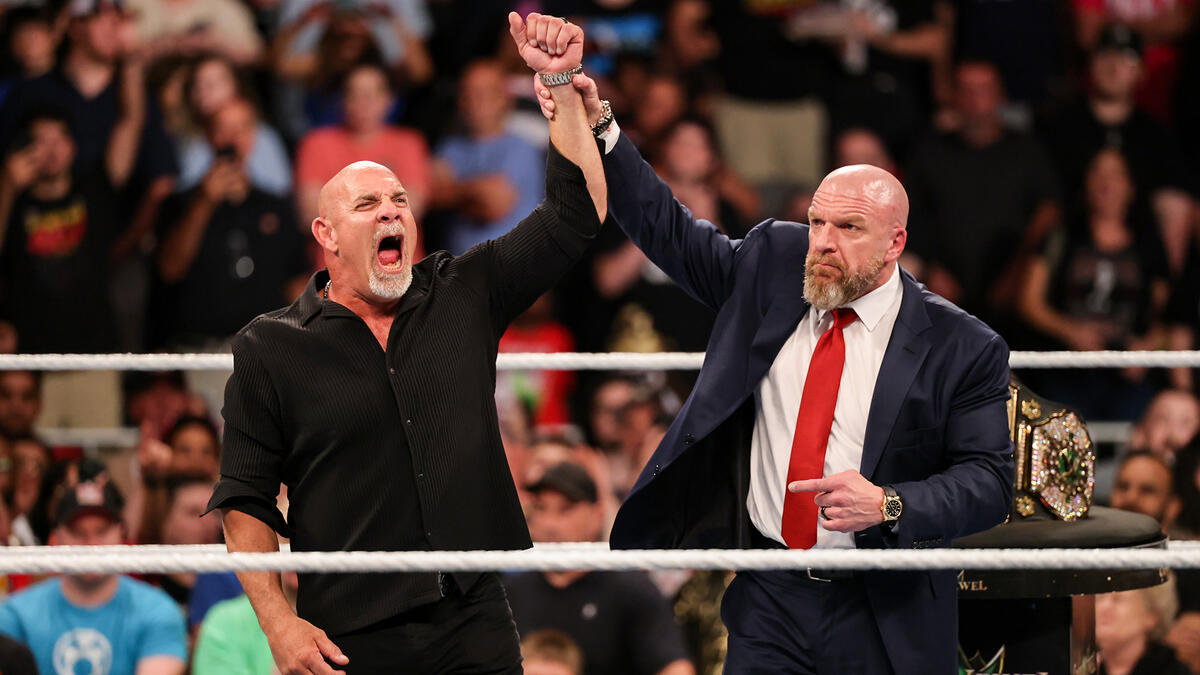
Professional wrestling history is defined by the friction between top-tier egos. The rivalry between Goldberg and Triple H during the 2003 window of WWE programming remains one of the most polarizing chapters of the Ruthless Aggression era. It was an uncomfortable collision of styles and philosophies that Goldberg recently characterized as an unwinnable situation.
Reports indicate that the locker room atmosphere in 2003 was thick with skepticism regarding Goldberg's transition from WCW. While fans clamored for the Spear and the Jackhammer, the internal machinery of WWE viewed him as an intruder. Triple H, serving as the de facto gatekeeper of the main event scene, occupied a position that made genuine professional harmony nearly impossible.
Reframing the narrative after two decades
Time has a way of softening the sharpest edges of past animosity. In recent comments shared by outlets like F4WOnline, the former heavyweight champion offered a surprisingly conciliatory perspective on his relationship with the current WWE executive. He now views Triple H as a good guy at the end of the day, signaling the closure of a long-standing personal cold war.
This pivot toward professional respect comes during a busy period for the promotion. With the upcoming WWE Saturday Night’s Main Event slated for July, the legacy of the company's past giants is once again at the forefront of the creative direction. Even legends like JBL have spent time analyzing the past, recently critiquing the mechanics of poorly executed brand reboots, proving that nostalgia is rarely simple.
The cost of the booking
We cannot discuss the Goldberg-HHH dynamic without acknowledging the flaws in their original 2003 programs. Forcing a character designed for short, explosive bursts into twenty-minute main event matches often resulted in stalling momentum. The pacing issues on episodes of Raw throughout the fall of 2003 were glaring, leading to a 12:00 average match time that never quite played to Goldberg's actual strengths.
The creative limitation wasn't just the length; it was the insistence on technical exchanges that felt entirely out of place. Why ask a wrecking ball to perform a delicate architectural task? It was a booking misfire that dragged the World Heavyweight Championship picture into a repetitive cycle of interference-heavy finishes. By the time the Unforgiven pay-per-view match occurred, the audience had been conditioned to wait for the interference rather than the finish.
A look ahead to July
The upcoming July event serves as a reminder that WWE is currently obsessed with its own history. Triple H has successfully managed to bridge gaps with former adversaries, turning previous bridges-burnt into potential, albeit limited, appearances. Goldberg's softened stance makes an appearance at the summer special look significantly more probable than it did five years ago.
My prediction? We see a brief, high-intensity vignette or a physical run-in at the July show. It will be short, exactly 90 seconds of carnage, and exactly what the fans want. It won't be a technical masterpiece, but it will capitalize on the reconciled relationship. Triple H has proven he knows exactly how to extract the juice from a legacy act without compromising the current roster's spotlight.