The quiet after the storm
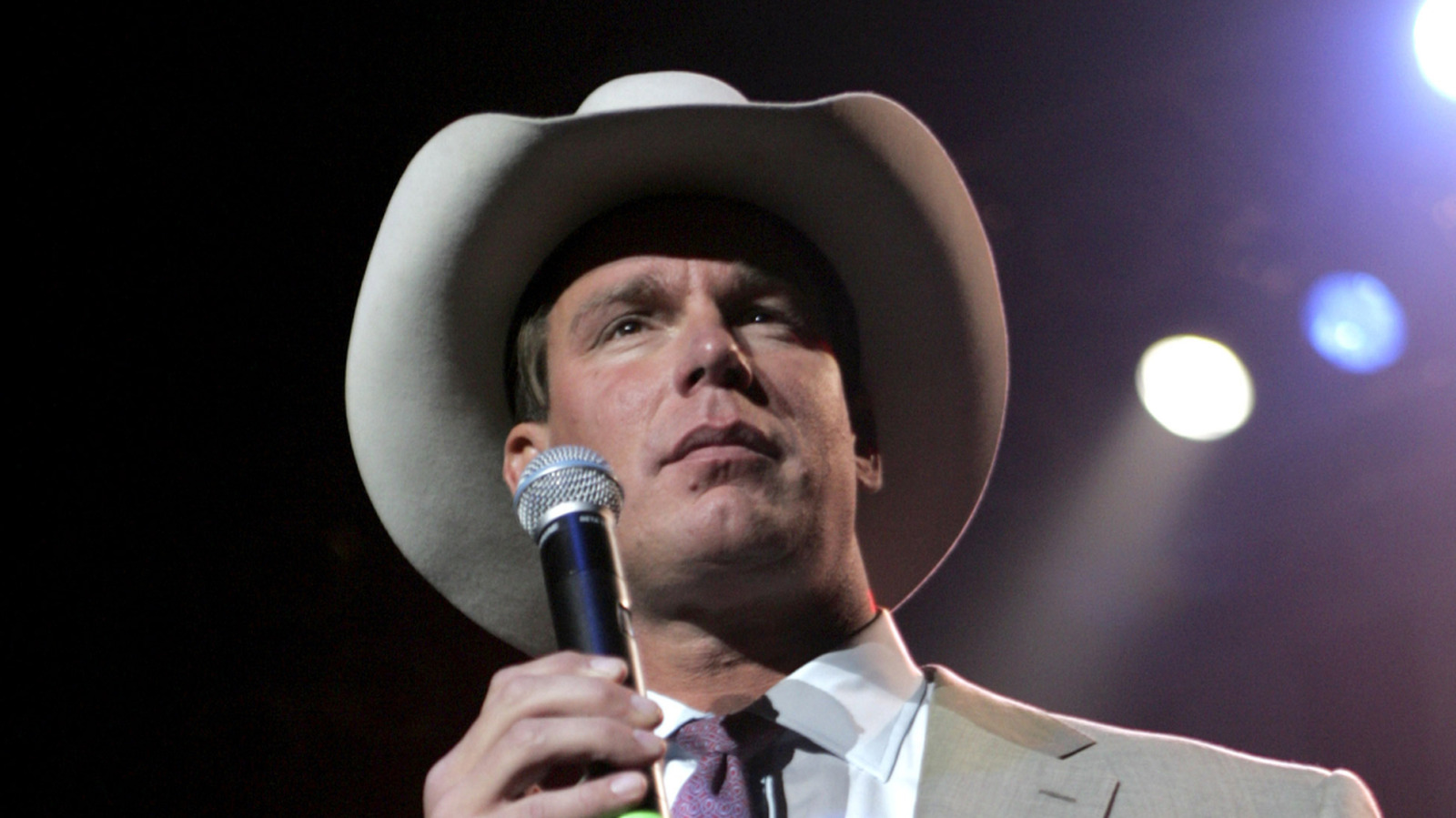
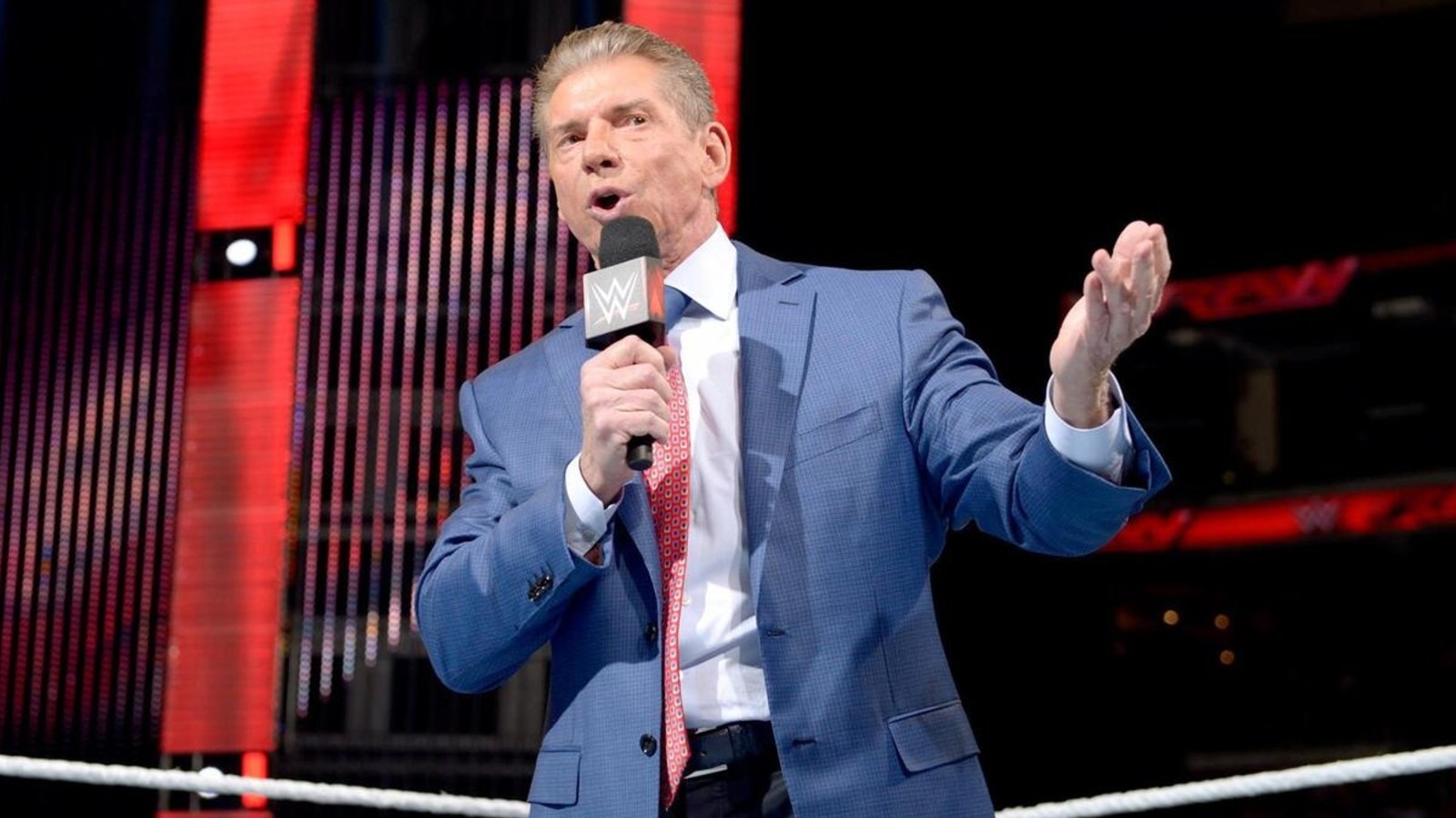
The professional wrestling business exists in a state of suspended animation while the legal gears grind behind closed doors. Jeff Jarrett, a man who has inhabited every corner of this industry from the territory days to the modern corporate era, recently weighed in on the most polarizing figure in history. McMahon is currently tied up in the Janel Grant case, which is headed to private arbitration.
Jarrett’s perspective feels grounded in the cold reality of business cycles rather than fan sentiment. He suggests the era of the patriarch leading the creative room is closed. The industry has shifted toward institutional ownership where individual autonomy is filtered through committees and legal departments.
This transition hasn't been seamless. We see the friction in product pacing and the dilution of the singular vision that once defined the industry. When Wrestling Inc recently reported on Jarrett's comments, it highlighted the reality that the business moved on long before the headlines did.
The cost of the transition
If we look at the trajectory of major promotions since the shift in control, the reliance on legacy star power remains a glaring vulnerability. The current rosters are stacked with talent, yet creative booking often leans on nostalgia acts to pad out pay-per-view cards. This is a stop-gap measure that obscures a more profound issue: the lack of organic momentum for new headliners.
The move toward private arbitration marks a shift in how these corporate scandals are handled. Instead of the public theater we witnessed in the eighties and nineties, we are looking at sanitized, closed-door resolutions. This removes the agency of the viewer and cements the position of the board over the individual.
Jarrett understands better than most that the product inevitably follows the money. When you trade the chaotic genius of an individual for the steady, predictable output of a conglomerate, you gain stability at the expense of high-risk creative swings. The current product suffers from a lack of edge, specifically in the mid-card feuds that feel like holding patterns rather than progress.
Booking the uncertainty
Predicting the next six months requires watching the underlying power dynamics rather than the in-ring promos. We are seeing a slow-motion consolidation of power across all major promotions as they chase media rights renewals. The spectacle is less about who wins a title and more about who controls the distribution rights.
Fans expecting a sudden shift in tone or a chaotic return to status quo are likely misreading the room. The transition to institutional control means the status quo is reinforced by institutional inertia. Jeff Jarrett’s career has been an 35-year study in adapting to these changes, and his skepticism suggests he sees the writing on the wall.
My prediction for the remainder of this calendar year is a doubling down on safe, predictable angles. We will not see the return of the old guard. The 90-minute blocks of television will continue to emphasize revenue-safe segments over high-risk storytelling. The industry has chosen the boardroom path, and there is no pivot back to the chaotic, individualistic reign of the past.