The Hierarchy of Impact
Professional wrestling does not evolve linearly. It shifts through singular pulses of brilliance that alter consumer expectations and standard output. These ten moments represent the apex of this volatility.
1. Hulk Hogan slams Andre the Giant at WrestleMania III
On March 29, 1987, the Pontiac Silverdome hosted the singular moment that turned the industry into a global juggernaut. Hogan hoisting the 520-pound Andre shifted the logic of wrestling from carnival roots to main-event spectacle. While some purists argue the subsequent match was technically inferior to mid-card bouts, it sold out 93,173 tickets on raw star power. It remains the anchor of the sport’s commercial history.
2. The Montreal Screwjob
Survivor Series 1997 remains the most potent study of the blurred line between fiction and reality. Vince McMahon forcing the referee to call for the bell while Shawn Michaels applied the Sharpshooter to Bret Hart created the modern anti-authority protagonist. It effectively killed the territory-era babyface, birthing the gritty, cynical tone that defined the ensuing Attitude Era. The booking choice was ruthless, yet it provided the fuel for the most profitable decade in industry history.
3. Stone Cold Steve Austin at WrestleMania 14
Defeating Shawn Michaels to capture his first WWF Championship moved the needle on the cultural relevance of wrestling. The involvement of Mike Tyson served as a strategic crossover bridge, but Austin’s character resonance anchored the transition. His rise forced the promotion to abandon cartoonish narratives for a darker, serialized approach. Without this specific coronation, the boom period of 1998 would have likely stalled in infancy.
4. Mankind falls from the top of the Hell in a Cell
King of the Ring 1998 saw Mick Foley plummet from the cage 16 feet onto the announcers' table. This moment prioritized high-stakes physical carnage above traditional ring psychology, permanently raising the bar for performer expectations. It is the defining flashpoint for the extreme style that followed. Skeptics still question the long-term health ramifications promoted by such a reckless display of structural abuse.
5. The debut of Chris Jericho on Raw
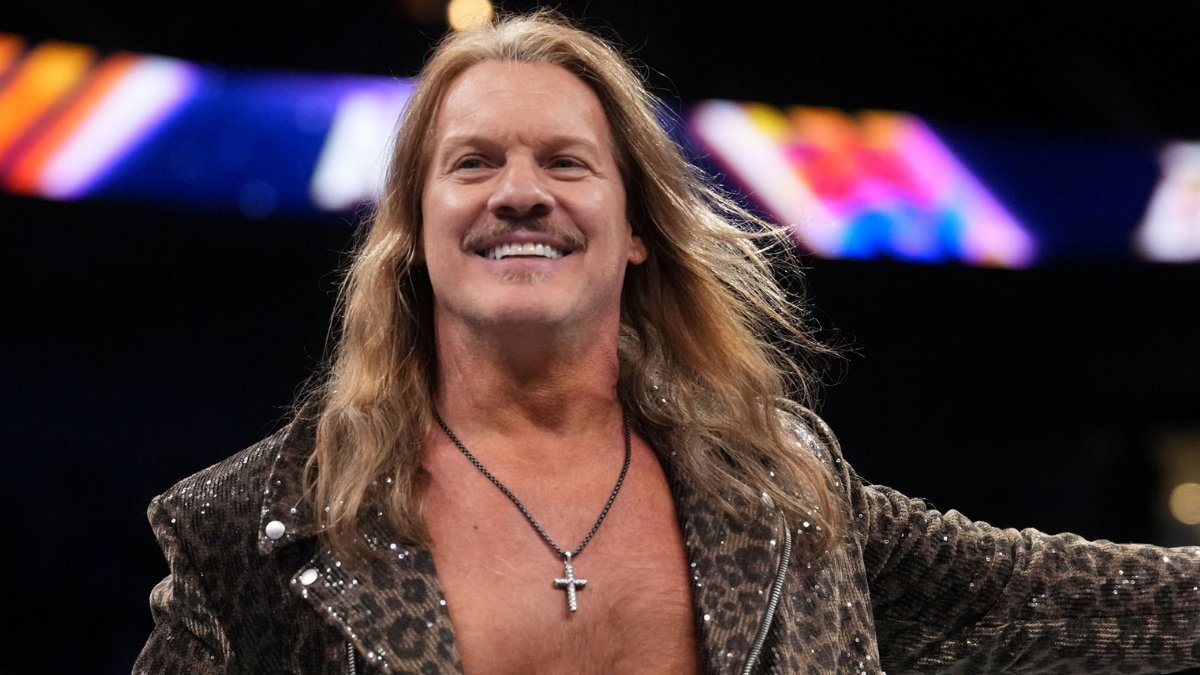
On August 9, 1999, the countdown clock struck zero and the industry gained a main-event talent capable of bridging the gap between technical wrestling and corporate entertainment. As MVP notes that certain instincts cannot be taught, Jericho’s arrival was the proof of concept for natural charisma. He successfully transitioned from a cult hero to an anchor of the Monday Night Wars. His debut effectively weaponized crowd anticipation, a technique now standard in modern booking.
6. CM Punk’s Pipebomb press conference
The June 27, 2011 edition of Raw disrupted the fourth wall with unprecedented aggression. By addressing corporate stagnation and the stifling of original voices, Punk turned dissatisfaction into a coherent storyline. It allowed companies to acknowledge reality, though industry insiders remain split on whether it ultimately served the long-term needs of the locker room. The promo forced a shift in promo delivery, favoring a more conversational, organic tone over rehearsed scripts.
7. The streak ends at WrestleMania 30
The Undertaker losing to Brock Lesnar in 2014 was a collective cultural shock that silenced the Superdome. After 21 straight victories, the decision to break the record triggered a massive controversy regarding the management of legacy performers. While the match itself suffered from Taker’s concussion, the narrative impact was undeniable. It proved that sometimes the most memorable moments are rooted in the audience's profound disappointment.
8. Sting debuts in WWE
At Survivor Series 2014, the final relic of the WCW era finally touched a WWE ring to interfere in the main event. It provided a sense of closure to a decade-old rivalry, despite the booking of Sting’s subsequent run being notoriously underwhelming. This moment serves as a reminder that legacy names draw eyes, even if the creative payoff fails to match the arrival. It was a victory for nostalgia-based booking over logical progression.
9. The formation of the nWo
Scott Hall and Kevin Nash recruiting Hulk Hogan at Bash at the Beach 1996 turned the industry upside down. It introduced the concept of the cool heel, a trope that remains central to modern television dynamics. The aesthetic shift to black trunks and spray-painted jerseys signaled a move toward a more rebellious, edgy consumer base. It turned WCW into the dominant force in the ratings for 84 consecutive weeks.
10. The rise of AEW at Double or Nothing
The May 2019 launch signaled the end of a long-standing monopoly on major televised wrestling. Matches like the Young Bucks versus the Lucha Bros established a high-velocity style that contrasted sharply with established norms. It proved that organic fan interest could build a viable alternative without traditional backing. While some criticize the promotion for its inconsistent officiating, it undeniably forced an industry-wide pivot toward better work-rate standards.
Honorable Mentions
- The Fingerpoke of Doom: A masterclass in how to alienate an audience in mere minutes.
- Eddie Guerrero wins at No Way Out: The emotional culmination of a decade of hard-earned reliability.
- The debut of the Shield: A perfect three-man presentation that set the standard for faction warfare for the next fifteen years.