Cage match dangers headline Forbidden Door plans
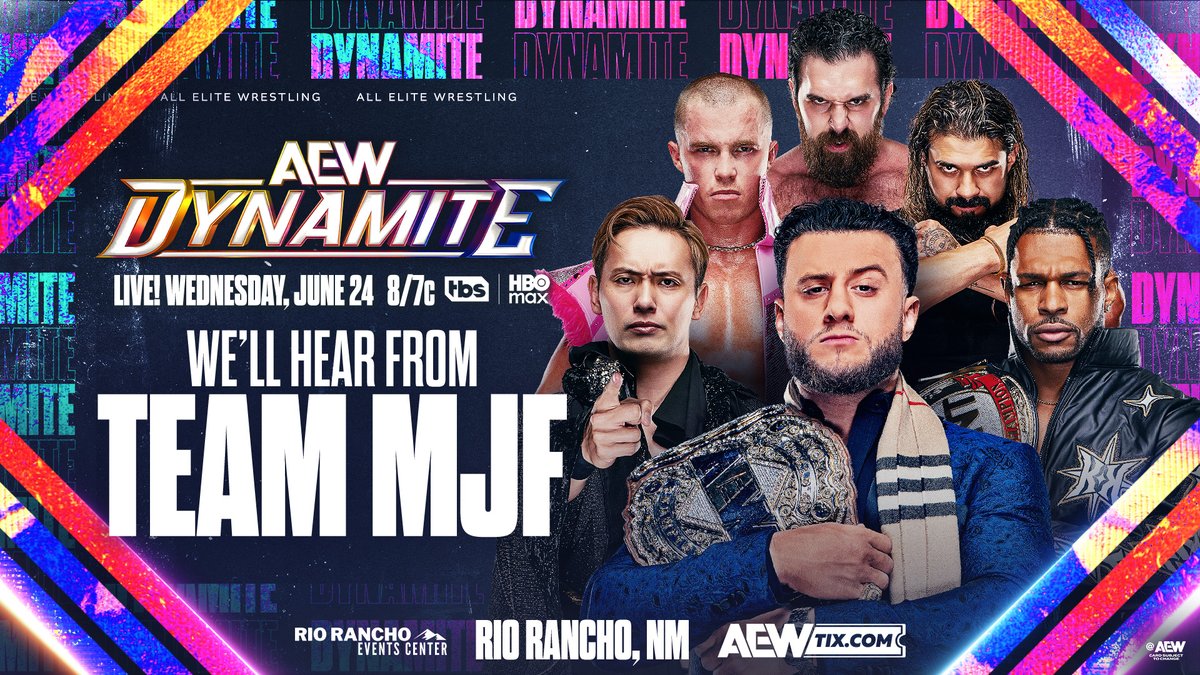
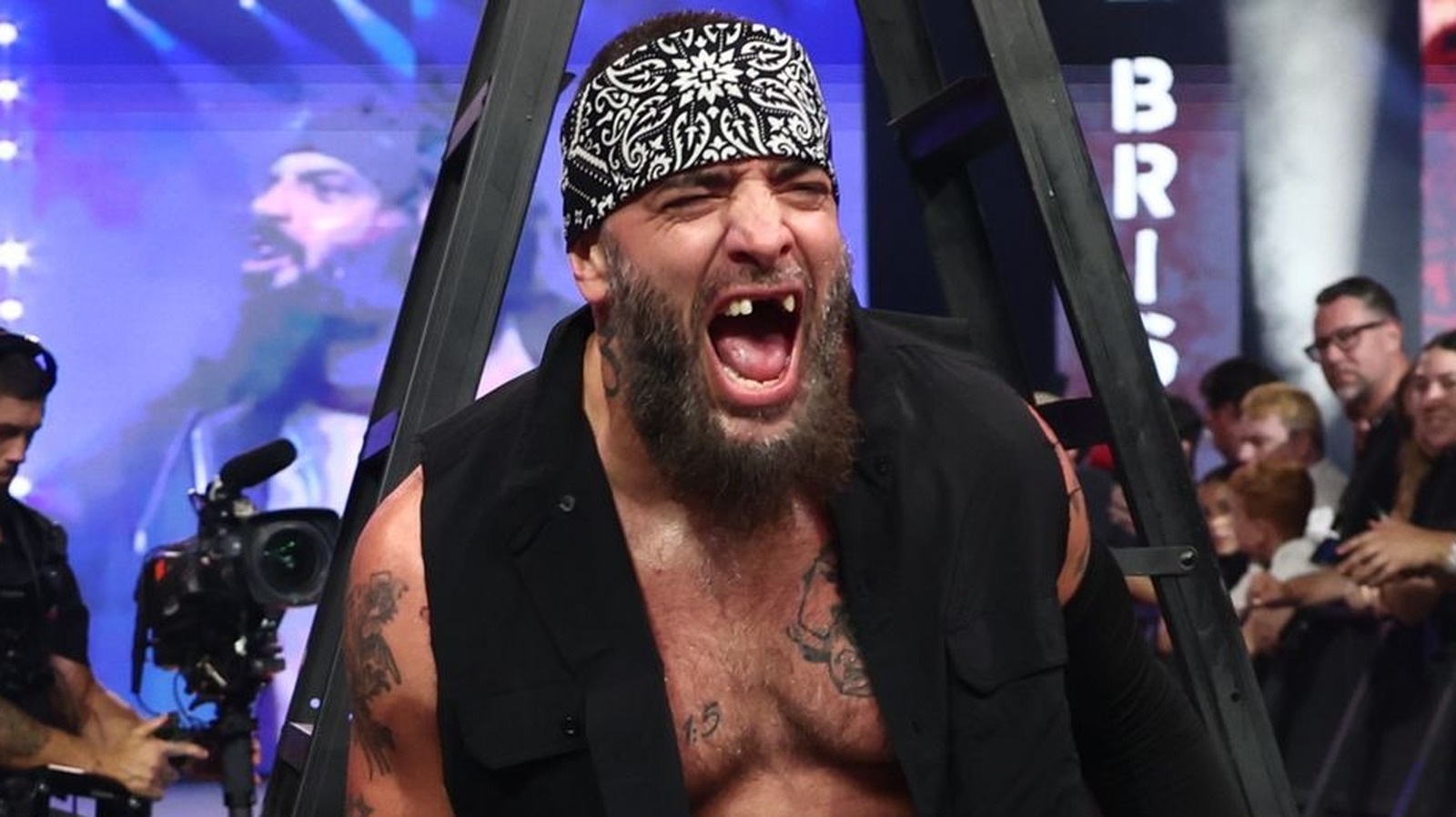
Mark Briscoe has officially secured a deal with Tony Khan to pivot the main event of the upcoming AEW x NJPW Forbidden Door pay-per-view into a multi-man Steel Cage Match. While the promotion aims for high-drama television, the shift to a cage environment introduces significant medical risks for the participants involved.
Steel cages are notorious for increasing the rate of soft tissue injuries and concussions. In professional wrestling, the addition of steel mesh surfaces removes the natural "give" found in ring ropes, forcing athletes into high-impact blunt force trauma collisions. Recent events in the industry demonstrate that these structures frequently result in lacerations and structural joint trauma.
The medical reality of cage warfare
Professional wrestlers frequently endure long-term orthopedic consequences from cage-based bouts. A standard steel cage, particularly during high-velocity multi-man spots, creates a setting where trajectory cannot be adjusted mid-air. When a performer is launched into the steel mesh, the absorption of energy occurs entirely within the musculoskeletal system.
We have seen similar scenarios in previous cage matches leading to severe shoulder dislocations and rib fractures. The increased height required for cage-top maneuvers forces performers to rely on non-traditional catch spots. If a spot misses by even three inches, the margin for error effectively vanishes. The industry has long struggled to balance the spectacle of the cage with the physiological limitations of the human body.
Strategic implications for AEW and NJPW
Scheduling a multi-man cage match for a high-profile crossover event is a high-stakes booking decision. It essentially mandates that the performers escalate their physical risk factor to sell the match. This adds an immediate stressor to the Forbidden Door lineup, which now sits under the microscope of medical observers.
Critics point to the booking of such high-risk matches on tight schedules as a questionable decision. When major stars are placed in multi-man cage environments, the probability of elective injury increases. If a top star sustains a major injury during this event, the ramifications for the second half of the 2026 calendar will be immediate. Rosters are currently thin, and losing primary talent to preventable cage-related trauma disrupts long-term creative plans.
Historical performance of cage match talent
Historically, athletes involved in multi-man cage matches face a recovery timeline of 4 to 8 weeks for minor impact injuries, though fractures can extend this to 6 months or more. The physical toll of competing inside a steel structure is cumulative. Repeated exposure to the rigid nature of the cage often hastens the onset of chronic back and neck issues in veteran rosters.
The fans expect the spectacle, but sports science tells a different story. Every vertical impact recorded in these settings adds pressure to the lumbar spine. We have documented multiple instances where performers attempted to carry a high-velocity style into a cage, resulting in significant mid-match resets or immediate post-match exits to medical facilities. The preparation for Forbidden Door must prioritize safe execution over pure stunt volume.
The human cost of big-stage spectacle
The decision to move to a steel cage format is, at its core, a move to maximize crowd engagement. However, the physical reality remains unforgiving. Performers are not choosing to slow down; they are choosing to escalate. The industry trend toward extreme stipulatory additions for main events has created a dangerous baseline for talent.
We can expect intensified scouting and on-site medical prep for this specific match. If the promotion intends to follow through on this main event announcement, there is zero room for error. The risk of concussive impact from bouncing off the panels is non-zero. Proper medical intervention protocols should be strictly enforced, starting with the pre-match physical assessments and continuing through to the final count.
Ultimately, this booking move represents a significant gamble by AEW leadership. The potential upside of a viral, high-intensity finish is balanced against the potential downside of an empty roster spot come late summer. We will be tracking the training intensity of the participants leading up to the bell to see if they adjust their output to account for the restricted movement of the cage.
Read Next