Taking AEW Off the Canvas
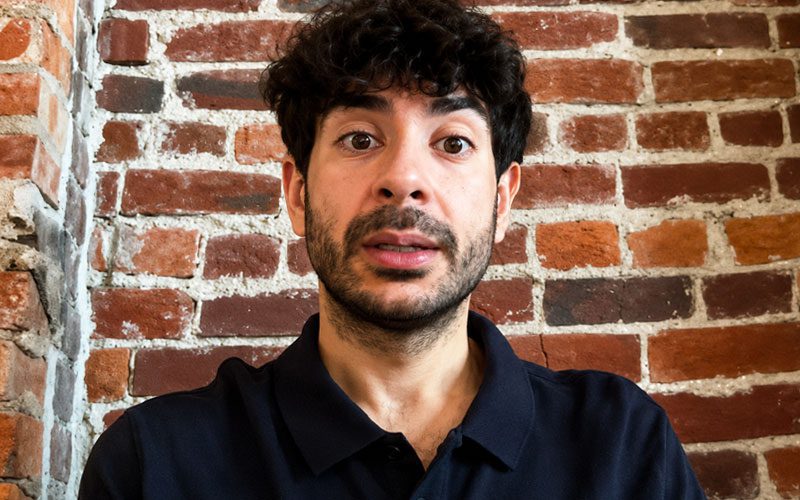
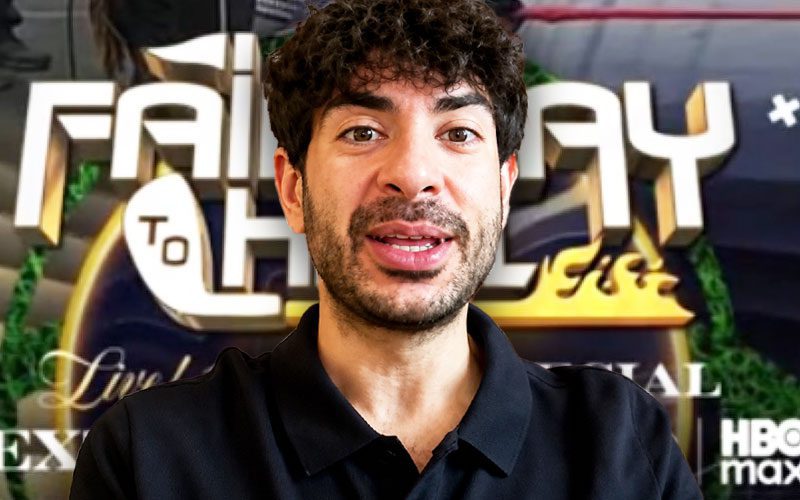
Tony Khan is taking AEW into new territory. The promotion is officially gearing up for "Fairway to Hell," an event that promises to trade the traditional arena setup for a sprawling, outdoor environment. Khan recently explained the rationale behind the concept, pushing the idea of unique visuals and unpredictable action. Fans love a spectacle. Medical staffs usually hate them.
When you remove professional wrestling from a controlled environment, the injury risk multiplies exponentially. A standard wrestling ring is a highly engineered piece of equipment. The canvas, the padding, the wooden boards, and the steel springs all work together to disperse kinetic energy. When a 220-pound athlete hits the mat from a height of six feet, the ring absorbs a massive percentage of that impact. It flexes. It gives.
Outdoor terrain does not give. Whether AEW sets up on actual golf course turf, a modified driving range, or a makeshift dirt compound, the biomechanical reality is grim. Human joints are not designed to absorb blunt force trauma on compacted earth. The medical implications of "Fairway to Hell" are severe, and with Double or Nothing looming on May 24, the timing is highly questionable.
The Mechanics of Turf Injuries
Let's look at the surface. If AEW utilizes natural grass or synthetic turf for brawling segments, the lower body takes the brunt of the punishment. Traditional wrestling boots are flat-soled. They are designed to pivot smoothly on a canvas surface. When a wrestler attempts a sudden directional change on turf, the boot catches. The foot stays planted, but the tibia and femur keep rotating.
This is the exact mechanism that causes anterior cruciate ligament (ACL) and medial collateral ligament (MCL) tears. We see it every Sunday in the NFL. Professional wrestlers operate at similar speeds but with far more aerial rotation. A simple Irish whip reversal on uneven ground can easily result in a Grade 3 knee sprain.
The impact on the spine is equally concerning. Taking a flat back bump on dirt or heavily compacted grass sends shockwaves directly through the cervical and lumbar spine. In a ring, the boards flex downward. On the ground, the earth pushes back with equal force. The discs between the vertebrae compress violently. You are looking at an increased risk of herniated discs, pinched nerves, and whiplash.
A History of Outdoor Attrition
AEW is no stranger to unconventional environments. The Stadium Stampede and Anarchy in the Arena matches provided incredible entertainment. They also left a trail of battered bodies. Wrestlers routinely spent weeks recovering from deep bone bruises and localized swelling after brawling through concourses and over concrete.
"Fairway to Hell" takes this concept and seemingly stretches it across an entire card. Khan wants a memorable visual. He wants a broadcast that looks completely different from WWE Backlash, which sits just days away on May 9. But aesthetics come with a physical tax.
The medical staff will have their hands full before the first bell even rings. Taping protocols will need to change. Ankles will require rigid spatting to prevent inversion and eversion sprains on the uneven ground. Knees will need heavy prophylactic bracing. Even with these precautions, you cannot tape a spine. You cannot brace a skull.
The Weather Variable
We also have to factor in the environment. Outdoor shoots in May can mean unpredictable temperature drops. As the sun goes down, the dew point shifts. Grass becomes slick. Moisture accumulates on whatever structures AEW builds. A wet surface fundamentally alters match psychology and physical execution.
Wrestlers rely on friction. When a performer bounces off the ropes or climbs a turnbuckle, they need absolute certainty that their boots will grip. Introduce a thin layer of condensation, and that certainty vanishes. Slips lead to uncoordinated falls. An uncoordinated fall is how you break a collarbone or shatter a wrist.
Furthermore, cold muscles tear faster than warm muscles. In a standard arena, the ambient temperature is tightly controlled. Outdoors, athletes lose body heat rapidly while waiting for their spots. An explosive movement—like a sudden sprint or a springboard dive—executed by a cold athlete is a primary trigger for hamstring and Achilles ruptures.
Strategic Missteps and Double or Nothing
From a purely medical perspective, the scheduling of this event is baffling. AEW Double or Nothing is scheduled for May 24. It is one of the promotion's premier pay-per-views. The roster needs to be completely healthy and firing on all cylinders. Injecting a high-risk, unpredictable outdoor brawl into the calendar three weeks before a major pay-per-view is a massive gamble.
If a top star rolls an ankle on a golf cart path or blows out a knee slipping on wet grass, the Double or Nothing card is ruined. Khan is essentially betting the health of his locker room on the promise of a cool promotional poster. It is a booking strategy that completely ignores orthopedic reality.
There is a persistent issue in modern wrestling where promoters prioritize the viral moment over the long-term physical health of the talent. "Fairway to Hell" feels like the ultimate expression of that flaw. The novelty of the setting does not outweigh the very real danger of ending someone's season.
Preparation and Mitigation
AEW's medical team, led by Doc Sampson, is highly competent. They will do everything in their power to mitigate the damage. Expect to see a massive increase in pre-match soft tissue work. The trainers will likely rely heavily on dynamic warm-ups rather than static stretching to prepare the athletes for the explosive demands of the uneven terrain.
Footwear will be the biggest talking point backstage. Do wrestlers abandon their traditional gear for trail-running shoes or specialized turf cleats? Cleats offer traction, but they dramatically increase the risk of knee ligament tears if the foot gets stuck during a rotation. It is a no-win scenario. Pick your poison: slip and break an arm, or grip and tear an ACL.
We will likely see matches heavily modified. The smart workers will ground their offense. Expect fewer high-flying maneuvers and more brawling, striking, and submission work. The goal for every professional walking into "Fairway to Hell" shouldn't be to steal the show. The goal should be survival.
The Bottom Line
Tony Khan's ambition is undeniably driving AEW to try new things. The explanation for "Fairway to Hell" makes sense on a marketing whiteboard. But human bodies do not care about marketing. They care about physics, force, and impact.
As we watch this event unfold, pay close attention to the way the wrestlers move. Watch their footwork. Look for hesitation before high-impact moves. They know the risks better than anyone. They know that a single bad step on an unpredictable surface can lead to six months of grueling physical therapy.
AEW is pushing the boundaries of where wrestling can happen. Let's just hope they don't push their roster straight onto the injured reserve list right before the biggest event of the summer. The medical tent is going to be the busiest place at "Fairway to Hell."