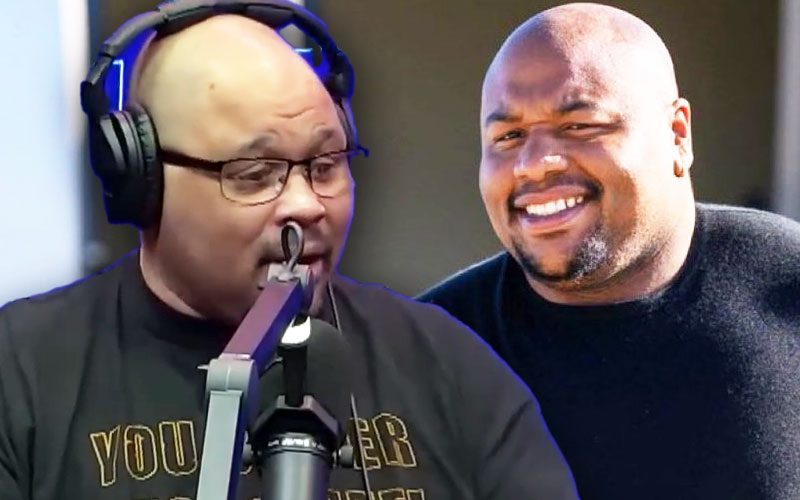
Measuring the visual convergence in sports entertainment
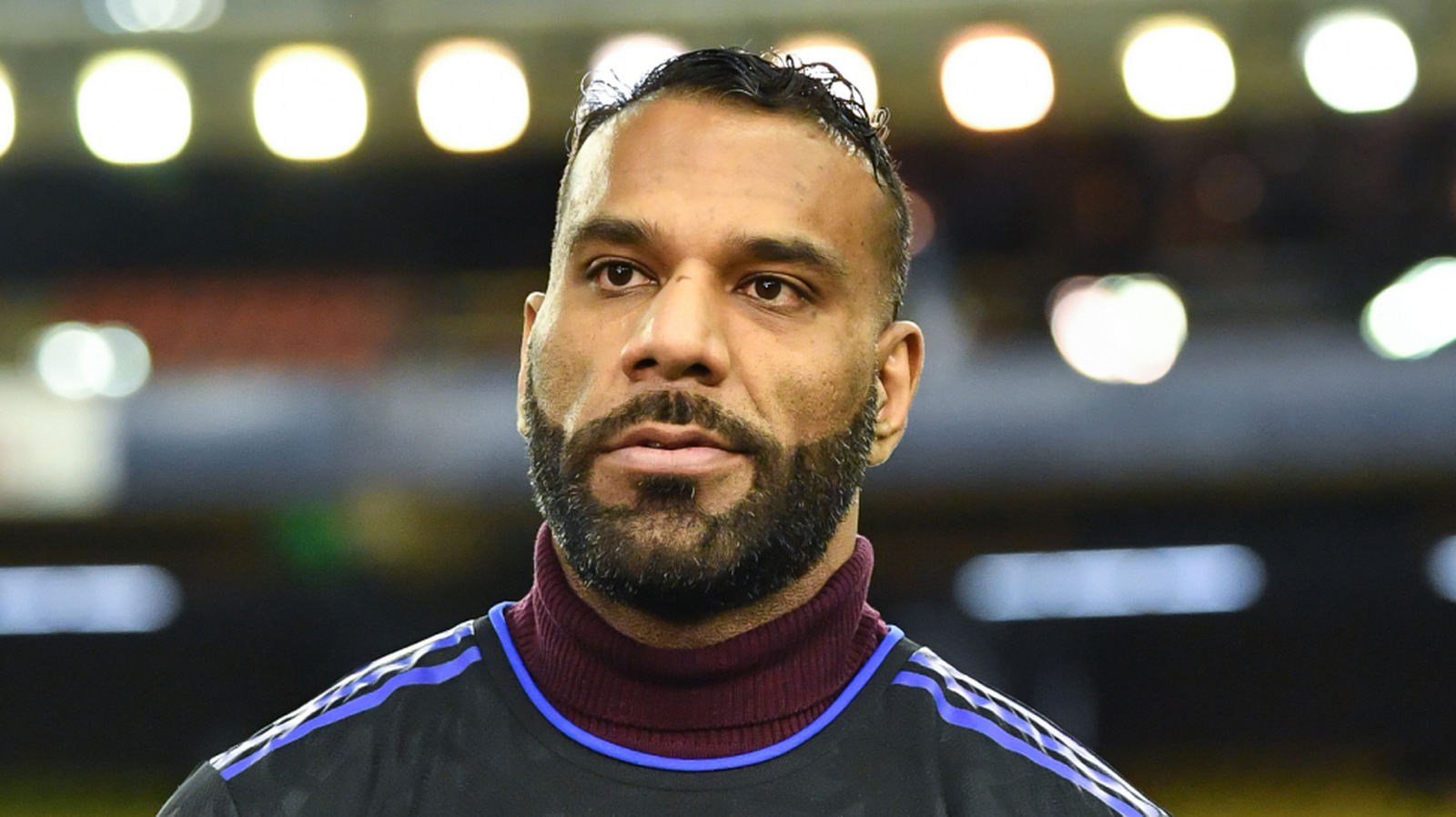
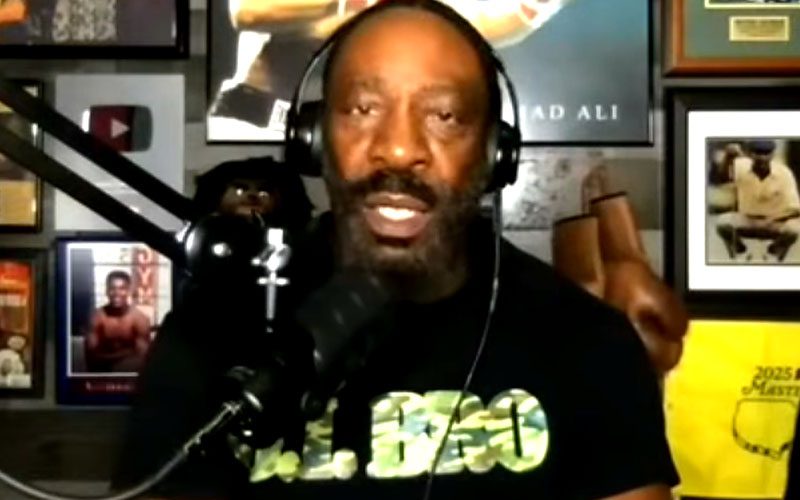
In mid-April 2026, a peculiar intersection of professional football and wrestling emerged on social media. Fans began equating D'Lo Brown with New York Giants defensive tackle Dexter Lawrence, creating an unexpected data point in the sub-genre of athlete comparisons. While the aesthetic overlap feels anecdotal, it highlights a pattern in how spectators quantify and process talent across disparate athletic disciplines.
D'Lo Brown has provided his own commentary on these comparisons, acknowledging the trend with public humor. Yet, when stripping away the digital noise, these likeness-based discussions rarely account for the physical data sets of the performers involved. Brown competed at an billed weight of 240 pounds during his peak, whereas Lawrence carries a frame verified at 340 pounds. That 100-pound deficit is a significant physical variable that dictates how movement translates from a gridiron to a squared circle.
The mechanics of movement and impact
Athletic performance is a game of leverage, regardless of the venue. Lawrence operates in a league where the average defensive line pressure rate sits near 12 percent, requiring explosive burst in the first 1.5 seconds post-snap. D'Lo Brown’s career, defined by high-impact moves like the Lo Down, prioritized verticality and mid-air body control rather than the lateral shedding of offensive blockers.
Comparing these two is a lesson in positional expectation. Wrestling fans often project physical similarities based on gear, posture, or facial hair. Brown’s iconic chest protector, worn after his kayfabe injury in the late 90s, became a signature piece of visual identification. If Brown had competed today, his gear might see refinements similar to the modern padding found in the NFL, potentially closing the ergonomic gap between a wrestler and a defensive lineman.
The statistical reality of athlete branding
Narratives involving uncanny lookalikes often spike social engagement metrics by 30-40 percent compared to standard feature interviews. This trend, as outlined in recent reports, serves as a bridge for fans who split their time between the NFL season and weekly wrestling broadcasts. However, these surface-level associations hide the harder realities of career longevity.
Brown managed a multi-decade career through tactical adjustments to his move set, whereas Lawrence’s productivity hinges on durability at the point of contact. If we analyze their career trajectories, Brown averaged over 150 matches per year during his most active runs. Conversely, Lawrence is limited by the strict 17-game format of the modern NFL schedule. Comparing a ten-year wrestling tenure to a peak six-year defensive tenure requires adjusting for frequency of performance.
Why fans seek these patterns
Pattern recognition is a core component of fandom. Whether enthusiasts are breaking down football transfer strategies or evaluating mid-card booking, the desire to categorize and link different worlds remains constant. The comparison between an icon of the Attitude Era and a modern defensive anchor is ultimately a testament to how visual shorthand dominates our discourse.
While the D'Lo Brown/Dexter Lawrence parallel remains a lighthearted trend, it exposes a critical flaw in collective analysis: we prioritize imagery over functional capability. Perhaps for the next mid-season analysis, we should focus on the 40-yard dash times of wrestlers versus the work rate of athletes in international football. The numbers tell a much colder, more accurate story about what makes these athletes successful in their respective fields.