The Barbershop in Queens
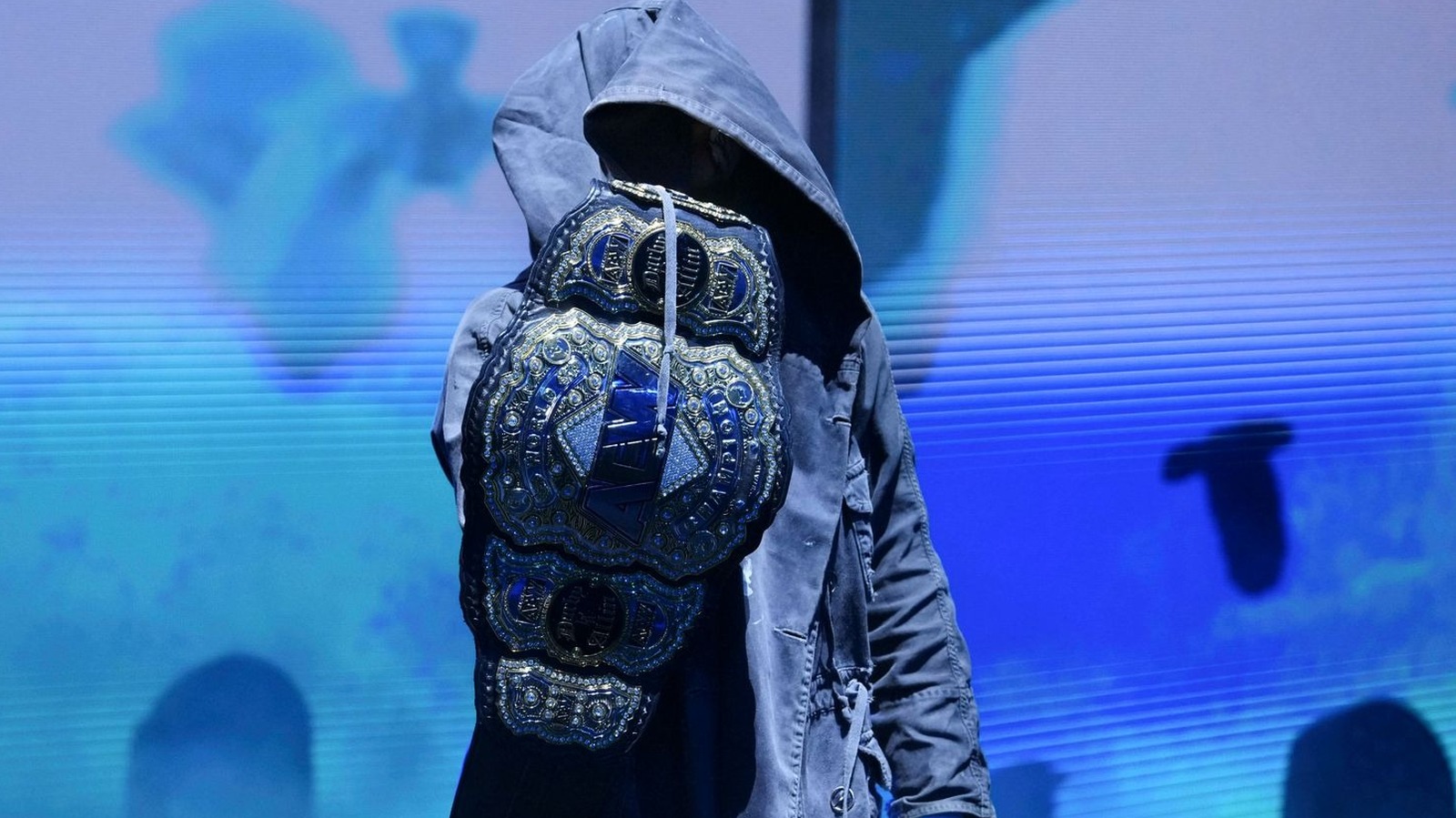
Queens is about to host the most high-stakes barbershop appointment in professional wrestling history. Tomorrow night at Louis Armstrong Stadium, AEW Double or Nothing 2026 presents a main event that is as much a clash of styles as it is a referendum on the locker room's future. Darby Allin defends the AEW World Championship against Maxwell Jacob Friedman in a Title vs. Hair match that has divided the fanbase.
The build-up to this match has been defined by more than just typical wrestling drama. It is an ideological war between two of AEW's home-grown stars. While Darby Allin has spent his reign destroying his own body to elevate the title, MJF has been waging a war of words, most notably on the Ariel Helwani Show on May 19, 2026, where he took aim at wrestlers he felt were not team players.
MJF did not pull his punches during that interview. He went directly after talent he felt used the company as a stepping stone, naming Malakai Black as the primary culprit. MJF styled himself as the locker room's defensive captain, drawing a hard line between team players and those looking for a quick exit to secure a WrestleMania slot.
The Battle of Pacing and Spacing
This makes the match tomorrow night incredibly tense. MJF is not just wrestling for a championship; he is wrestling to prove his vision of the promotion is correct. If MJF wins, he shaves the head of the company's ultimate daredevil, stripping away the visual identity that defines Darby's entire counter-culture appeal.
Tactically, this is a fascinating matchup of tempo and spatial control. MJF is a classic pacing heel who excels at slowing the match to a crawl, averaging less than 1.8 offensive maneuvers per minute. He prefers to work the left arm, use simple side headlocks, and maximize referee distractions.
Darby Allin operates at the exact opposite end of the kinetic spectrum, relying on sudden acceleration and high-risk maneuvers like the Coffin Drop. His spatial positioning is intentionally erratic to disrupt his opponent's rhythm. He does not try to out-wrestle you; he tries to out-survive you.
The key tactical transition to watch is how MJF intercepts Darby's high-velocity offense. If Darby attempts a suicide dive, MJF will likely catch him or step aside, letting Darby crash into the steel barricade to end the exchange. We saw this in their previous encounters, where MJF used a simple side headlock takeover to ground Darby for over ten minutes.
But Darby's resilience remains his greatest weapon, allowing him to absorb beatings that would end most matches. If MJF misses a corner charge or gets cocky, Darby can transition instantly into a Code Red or a rolling pin combination. The match will be decided by whether MJF can maintain his structured pace or if Darby drags him into chaos.
The Ghost of Free Agency
The backstage drama surrounding Malakai Black adds another layer to this weekend. Black, who was released by WWE in April, has been the subject of intense speculation regarding a return to AEW. Yet the promotion has denied they are in negotiations with him, a move that aligns perfectly with MJF's public stance.
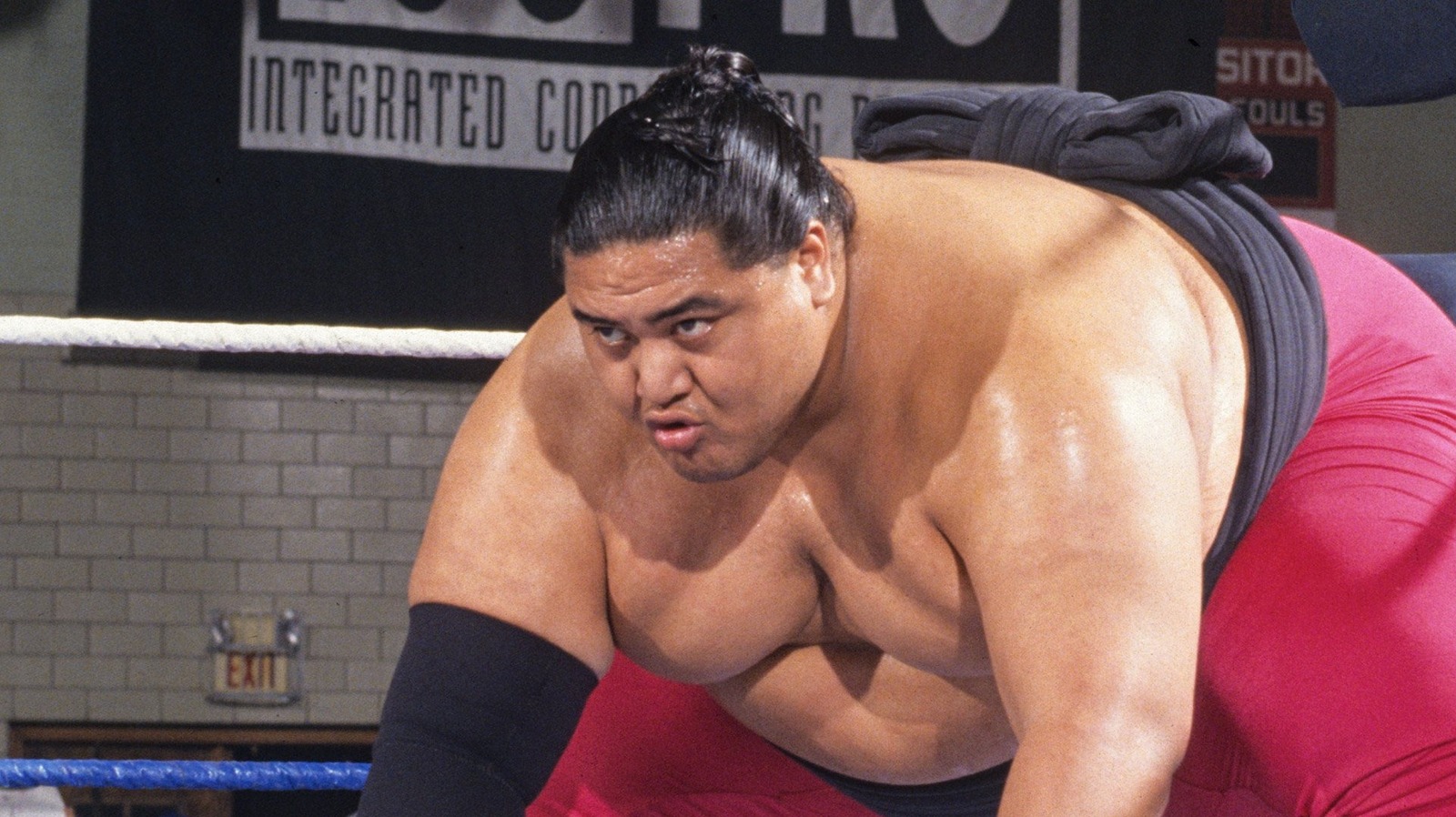
It is an ironic position for Black, a wrestler whose entire career has been shaped by unique, non-traditional influences. In a recent appearance on the Nightcap podcast, Black explained that his first memory of professional wrestling was a fleeting glimpse of Yokozuna on Eurosport when he was just four or five years old. He noted that the image of the massive WWE Hall of Famer became ingrained in his brain and sparked his curiosity about the sport, as a recent Wrestling Inc report detailed.
Yet, Black's actual in-ring style could not be more different from the legendary sumo wrestler. Black did not copy Yokozuna's power game or massive presence. Instead, he developed a tactical style based on Dutch kickboxing, Muay Thai, and Japanese junior heavyweight influence, as noted in the Wrestling Inc coverage.
Black's tactical system is built on distance management and precise striking. He operates in the pocket, using low leg kicks to compromise his opponent's base before unleashing the high spinning heel kick. He treats the ring like a combat sports mat, using angles and spacing to force his opponent into defensive mistakes.
This contrast highlights a broader issue with AEW's current roster assembly. The company has struggled to integrate unique styles like Black's, often prioritizing traditional North American television booking over distinct athletic systems. While MJF claims the locker room is better off without non-team players, the product can feel formulaic without these stylistic outliers.
Workrate Clinics and Booking Convolutions
Looking at the rest of the Double or Nothing card, there are other tactical battles worth watching. Kazuchika Okada defends the International Championship against Konosuke Takeshita in what should be a clinic in heavy-hitting exchanges. Okada's dropkick timing vs. Takeshita's high-angle German suplex will define the pacing of that bout, with Takeshita targeting Okada's neck early to set up his explosive knee strikes.
The Men's Owen Hart Cup Quarterfinals also offer some intriguing tactical matchups. Will Ospreay faces Samoa Joe in a classic speed-against-power dynamic where the challenger must use the entire ring to avoid Joe's devastating chops. Meanwhile, Swerve Strickland takes on Bandido in a high-tempo athletic contest where Swerve's technical transitions will meet Bandido's high-flying lucha libre counters.
The AEW World Tag Team Championship match, however, raises some serious booking questions. FTR defends against Adam Copeland and Christian Cage in a New York Street Fight "I Quit" Match. The stipulation that Copeland and Cage can never team again if they lose feels incredibly convoluted and unnecessary.
This stipulation hurts the build, as it signals the end of a legendary team before the bell even rings. FTR has also struggled with their pacing recently, with their matches dragging in the middle portion as they rely too heavily on nostalgia spots. A street fight format might hide some of these flaws, but the booking feels forced.
The 14-man Stadium Stampede Match also feels bloated. While having Kenny Omega and Bobby Lashley in the same match is interesting, the sheer number of participants guarantees a chaotic mess with little room for logical storytelling. It is the kind of match that prioritizes viral moments over coherent in-ring logic.
The Final Verdict
Despite these minor booking missteps, Double or Nothing 2026 remains a pivotal night for AEW. The promotion needs a home run to solidify its identity heading into the summer. The main event will carry the heaviest burden, as both Darby and MJF have put their pride and their look on the line.
The prediction here is confident: MJF will walk out of Queens with the AEW World Championship. Darby Allin's high-risk style will finally catch up to him against a technician who knows how to exploit every single mistake. Expect MJF to secure the win after a brutal powerbomb onto the ring apron, followed by a double-cross that leaves Darby bald and beaten.
Read Next
- Why MJF is about to push Darby Allin to the absolute limit
- Top 10: Top Moments
- Anthony Bowens and The Opps are dividing the internet before Double or Nothing
- Mick Foley's AEW run should not include a single match
- ⚡ AEW Dynasty 2026 — Full Coverage Hub
- 🎲 AEW Double or Nothing 2026 — Full Coverage Hub