The High-Stakes Geometry of Double or Nothing
The Geometric Warfare of Title vs. Hair
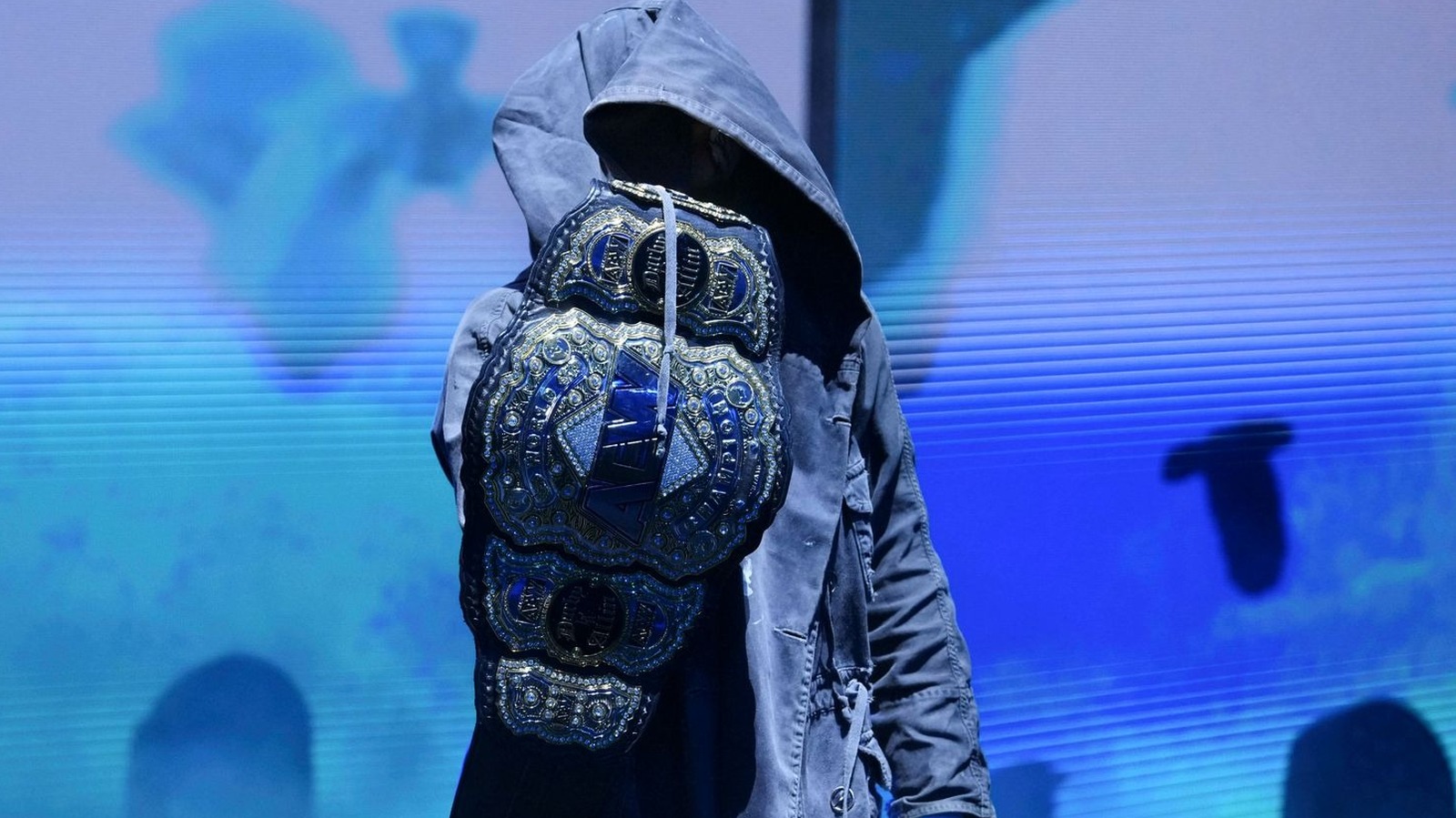
AEW Double or Nothing 2026 is exactly one day away. The marquee at Louis Armstrong Stadium in Queens is dominated by a match that functions as a classic clash of high-level ring geometries. The champion, Darby Allin, defends his AEW World Championship against his career foil, Maxwell Jacob Friedman, in a Title vs. Hair match.
This rivalry did not start yesterday. It re-ignited in earnest on the April 15, 2026 edition of Dynamite in Seattle, where Allin caught Friedman in a lightning-quick pinning combination to take the gold. Friedman has spent the last five weeks demanding a rematch, offering everything from his signature Burberry scarf to a cold million dollars.
Allin, operating on pure instinct, rejected the material bribes. He demanded the one thing Friedman prizes above his own bank account: his hair. The stage is set for a literal and metaphorical shearing.
To understand how this match will play out on May 24, one has to analyze their physical mechanics. Friedman is a classic positional wrestler. He excels at keeping his center of gravity low, suffocating opponents with side headlocks and working the left arm to set up his Salt of the Earth armbar.
In their famous 22-minute encounter at Full Gear 2021, Friedman won with a basic headlock takeover. It showed his commitment to old-school fundamentals. Allin is the exact opposite.
The champion is a high-velocity projectile. He frequently launches himself with a Coffin Drop or a suicide dive that lacks any self-preservation. Yet Allin is not just a stuntman; his counter-grappling has become exceptionally sharp.
He often transitions a standard powerbomb into a Code Red at the 12-minute mark of his high-profile bouts. This mechanical versatility makes him incredibly dangerous. The tactical battle here hinges entirely on pacing.
If Friedman can slow the tempo to under three exchanges per minute, he will systematically dismantle Allin. He will target Allin's previously injured ribs, using the ring posts and barriers to limit Allin's lateral movement. The champion must prevent this containment.
If Allin can maintain a high tempo and force Friedman to wrestle on the run, the champion's superior cardiovascular conditioning will take over. Expect Allin to try for an early Stunner to disrupt Friedman's breathing. The challenger's arrogance remains his greatest mechanical flaw.
Friedman frequently pauses to mock the crowd. These seconds are precious. Allin only needs one fraction of a second to strike.
The Callis Family Faction Friction
Further down the card, Kazuchika Okada defends the AEW International Championship against his stablemate Konosuke Takeshita. This matchup should be a pure exhibition of heavy-hitting physical mechanics. Yet it is bogged down by bloated storyline booking.
The Don Callis Family has become a convoluted vehicle. Instead of letting two of the best athletes on the planet trade forearms, we are forced to watch Don Callis play mind games at ringside. This faction clutter frequently dilutes the raw physical storytelling in the ring.
This remains a persistent issue in AEW's midcard booking over the last year. If you strip away the Callis theatricals, the matchup is a masterclass in modern heavyweight wrestling. Takeshita is an explosive powerhouse.
The challenger averages 4.5 high-impact moves per minute in his big-match runs. His wheelbarrow German suplexes and running knee strikes are delivered with terrifying velocity. Okada is a master of the slow burn.
The champion often spends the first ten minutes of a match in basic wrist control. He relies on clean break collar-and-elbow tie-ups to establish dominance. Okada's dropkick remains the most precise weapon in the sport.
He always catches his opponent at the peak of their jump to halt their momentum. The key transition to watch is the Rainmaker setup. Takeshita has shown a vulnerability to wrist-lock counters.
He often leaves his neck exposed when attempting his own discus lariat. If Okada can dodge the initial running knee and transition into a short-arm lariat, the match will swing in his favor. However, Takeshita's raw power might simply overwhelm the champion's methodical defense.
A sudden blue thunder bomb at the 18-minute mark could easily end Okada's reign. This will happen if the champion underestimates his younger challenger. The physical toll will be immense.
Clashing Philosophies in the Midcard
Retirement on the Line in an "I Quit" Street Fight
The tag team division presents a different kind of mechanical challenge. FTR defends the AEW World Tag Team Championship against Adam Copeland and Christian Cage. The stakes are absolute.
If the veteran challengers lose, they must disband as a tag team forever. This match follows their intense clash at Dynasty in April, where Dax Harwood and Cash Wheeler retained after a grueling 24 minutes of traditional tag team spacing.
FTR are traditionalists who rely on cutting the ring in half and isolating an opponent. They use quick, frequent tags, averaging an exchange every 45 seconds to keep their energy fresh. Their double-team maneuver, the Big Rig, relies on perfect spatial awareness and timing.
Copeland and Cage are a modern hybrid team. Despite their decades of experience, they are willing to take massive physical risks. This includes spears through tables and dangerous ladder falls.
There is a major mechanical concern here. FTR's recent match pacing has shown slight signs of wear. During their 20-minute defense against Orange Cassidy and Roderick Strong on the May 20 episode of Collision, FTR looked uncharacteristically slow during transition sequences.
Putting two veterans like Copeland and Cage—who have both suffered serious injuries in recent years—into a high-impact street fight is a risky booking decision. If the match relies too heavily on weapon spots to cover for physical limitations, the pacing will suffer dramatically.
The Chaos of the Women's Four-Way
Thekla defends the AEW Women's World Championship in a chaotic four-way match against Hikaru Shida, Jamie Hayter, and Kris Statlander. Thekla has held the title since her shocking victory over Statlander on the February 11, 2026 episode of Dynamite. Since then, the booking of the women's division has felt rushed and disorganized.
Yet the in-ring work remains a saving grace. In a four-way match, the champion's disadvantage is mathematical. Thekla does not need to be pinned to lose her title.
Her style relies on chaotic movement and submission transitions, particularly her signature spider web hold. Shida and Hayter are elite strikers who will look to trade stiff forearms and lariats in the center of the ring. Statlander is the powerhouse.
She can lift two opponents at once for a double Samoan drop. To retain, Thekla must let the other three competitors wear each other down. If she gets caught in a strike exchange with Hayter or a power struggle with Statlander, she will lose.
Her best path to victory is to wait on the apron, let Shida hit a Falcon Arrow, and then steal the pin. The crowd in Queens will likely favor Hayter, whose physical style matches the gritty outdoor atmosphere of the stadium.
The Broader Wrestling Map
Wrestling's Busy Spring
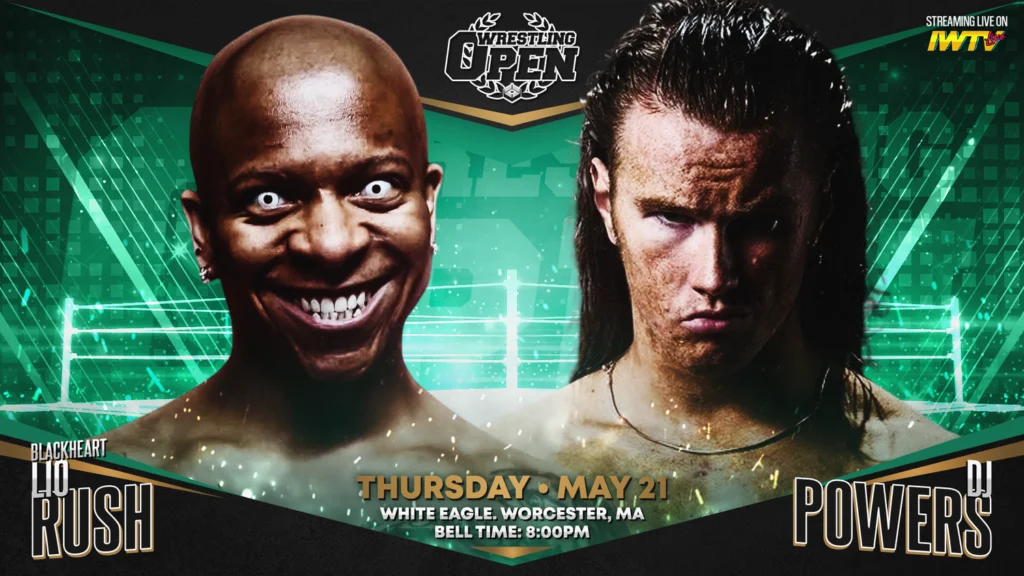
This high-stakes weekend in Queens comes during a frantic period for the global wrestling scene. Just two days ago on May 21, Brett Mettro picked up a massive spotlight win at Wrestling Open Worcester, pinning Cash McGuiness in front of a raucous White Eagle crowd. The Knockouts division in TNA is also seeing rapid shifts.
On the May 19 episode of Xplosion, Jada Stone defeated Knockouts Tag Team Champion M By Elegance in a surprising eight-minute showcase. Meanwhile, in Tokyo, the emotional tribute at the Hana Kimura Memorial Show on May 23 reminded fans of the deep connections that bind this sport across borders.
Even Pro Wrestling Wave has kept a relentless pace, recently running their Fight Under Neon event in Shinjuku Face on May 19 where Kaho Kobyashi led her team to an eight-woman tag team victory. The activity is dizzying. These events show a global scene operating at maximum capacity.
The Tactical Prediction
Who Leaves Queens with the Gold
When the dust settles in Queens, only one man will leave with his pride and his hair intact. Friedman will dominate the early portions of the main event. He will isolate Allin's left shoulder, locking in three separate armbars and hitting a devastating Heat Seeker from the apron.
But Allin's tolerance for physical damage is his ultimate weapon. At the 23-minute mark, after Friedman misses a top-rope elbow drop through a table, Allin will capitalize. A quick stunner, followed by a Coffin Drop to the standing challenger, will secure the pinfall.
Allin retains the AEW World Championship, and Friedman leaves Louis Armstrong Stadium completely bald. It is a bold prediction, but one backed by the physical mechanics of both men.