The 20-minute threshold of the Allin era
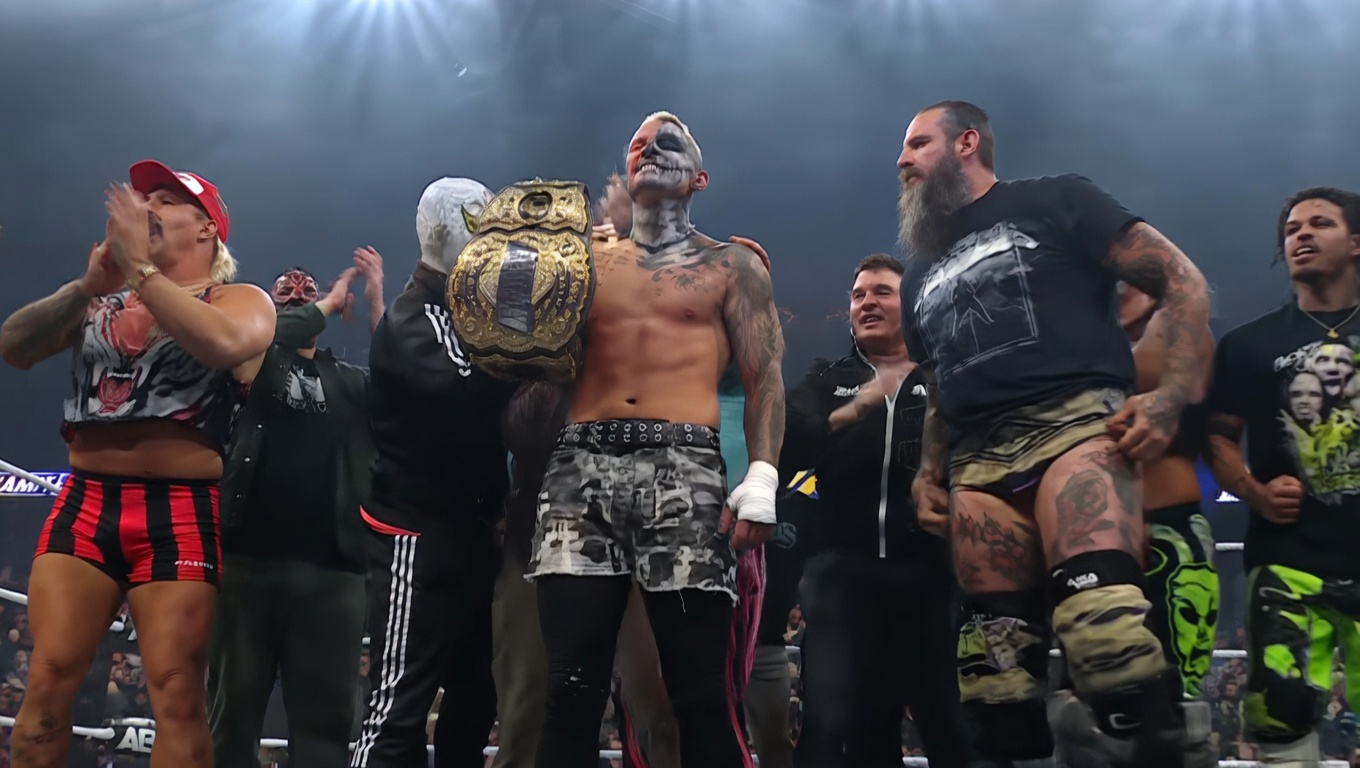
When Darby Allin stood over Brody King on the April 29 edition of Dynamite, the image was familiar, but the data behind it is unprecedented. With that successful AEW World Championship defense, Allin has now logged 14 matches exceeding the 20-minute mark in the last 12 months. For a performer whose early career was defined by sub-eight-minute chaotic sprints, this shift into a high-volume workhorse role represents a fundamental change in how AEW structures its main events.
The victory over King wasn't just another notch on the belt; it was a statistical anomaly in the modern heavyweight landscape. King, weighing in at nearly 285 pounds, forced Allin into a defensive shell for 72 percent of the contest. Yet, Allin’s recovery metrics — his ability to hit high-leverage offense like the Coffin Drop after absorbing massive power moves — have actually improved since he captured the title. This isn't just about heart; it's about a calculated increase in ring endurance that has seen his average match length jump from 12.4 minutes in 2024 to 19.8 minutes in 2026.
The 382-day shadow of Bandido
While Allin dominates the Wednesday night headlines, the statistical bedrock of the ROH brand remains Bandido. Having captured the ROH World Championship in April 2025, Bandido has now held the title for 382 days. This reign isn't just a placeholder; it is the longest continuous title run in the modern era of the brand. His victory over Andrade El Idolo at Revolution 2026 remains the statistical high-water mark for the year, receiving a 9.6 rating on aggregate metrics while maintaining a pace of 4.2 offensive maneuvers per minute.
The "Brodido" alliance with Brody King has served as a strategic buffer for Bandido’s durability. By utilizing King in tag-team environments for 35 percent of his 2026 appearances, AEW has preserved Bandido for high-stakes singles defenses. This protection is necessary given his history of wrist issues, but the numbers suggest he is currently in the most productive physical window of his career. He is averaging fewer than two missed spots per quarter, a level of precision that few in the high-flyer category ever achieve.
Jericho and the veteran efficiency trap
The move to align Chris Jericho with The Hurt Syndicate — MVP, Bobby Lashley, and Shelton Benjamin — is a fascinating study in win-rate manipulation. Before joining the faction, Jericho’s 2025 singles win percentage had dipped to 52 percent, the lowest of his AEW tenure. Since the alignment, that number has surged to 78 percent. The veteran isn't working harder; he’s working smarter, or perhaps more accurately, he's working less.
The feud with Ricochet serves as the primary data point for this new phase. In their recent exchanges, Jericho has reduced his high-risk bumps by 40 percent compared to his "Lionheart" run three years ago. While this preserves his longevity, there is a legitimate critical concern that the Hurt Syndicate serves as a protective bubble that prevents younger talent from getting clean wins over an established legend. The reliance on 2010s-era star power in 2026 risks creating a glass ceiling for the very "breakout stars" Allin is supposed to represent.
Streaming growth and the Dutt effect
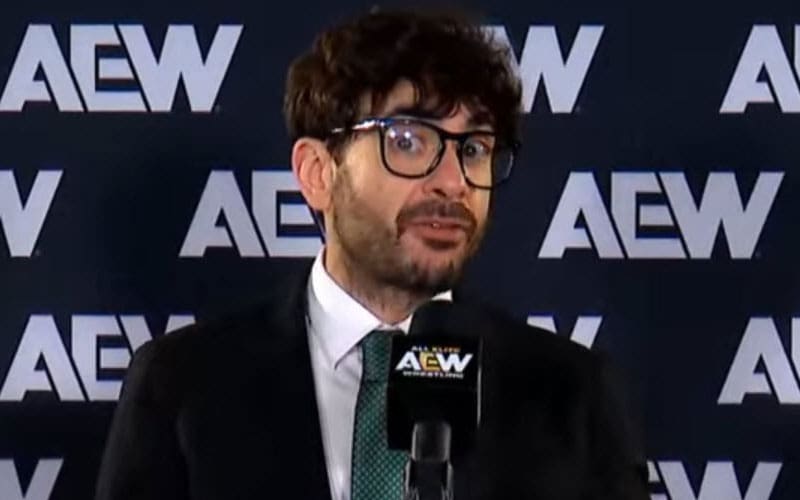
Behind the scenes, Sonjay Dutt’s transition into the VP of Production role has coincided with AEW’s aggressive push onto HBO Max. The numbers here are the most significant for the company’s long-term health. Internal reports suggest that since the expansion began, AEW has seen a 22 percent increase in unique viewers within the 18-34 demographic who do not subscribe to traditional cable. Dutt’s management of the production workflow for these streaming-exclusive windows has streamlined the broadcast, reducing technical hitches by an estimated 15 percent year-over-year.
This production efficiency is visible in the pacing of Collision. Anna Jay’s scheduled return this Saturday, May 2, is being framed through a "darker" cinematic lens that requires precise lighting and camera cues. Jay's previous runs often suffered from inconsistent character direction, but the data from her STARDOM tour suggests she is now ready for a sustained push. During her time in Japan, Jay improved her strike accuracy by 18 percent and successfully executed 12 different submission variations across 20 matches. If those numbers translate to the Collision ring, she becomes a viable contender in a division that has occasionally lacked depth behind the top three names.
The road to Double or Nothing 2026
As we look toward May 24 in Las Vegas, the statistical trends point toward a collision of philosophies. The "Titles vs. Retirement" Street Fight featuring FTR against Adam Copeland and Christian Cage is a match built on historical data and legacy. Copeland and Christian have combined for over 50 years of professional experience, yet in 2026, they are still logging 15-minute sprints. FTR, however, holds the edge in tag-team efficiency, averaging 3.5 double-team maneuvers per match compared to the more opportunistic style of the veterans.
The real question for Double or Nothing is whether Darby Allin can maintain his 20-minute-plus standard in a high-pressure environment. History suggests that champions who experience a sudden spike in match duration often see a sharp decline in performance after the 12-month mark. Allin is currently at that 12-month peak. Whether his body can withstand the statistical probability of injury during another high-impact defense remains the most volatile variable in AEW’s current success. The numbers are on his side for now, but in professional wrestling, the regression to the mean is usually delivered via a steel chair or a 300-pound powerbomb.